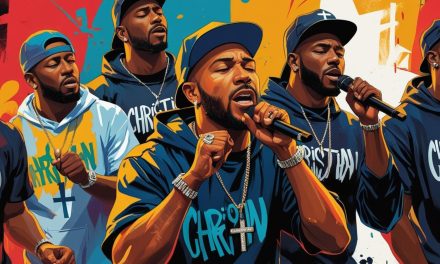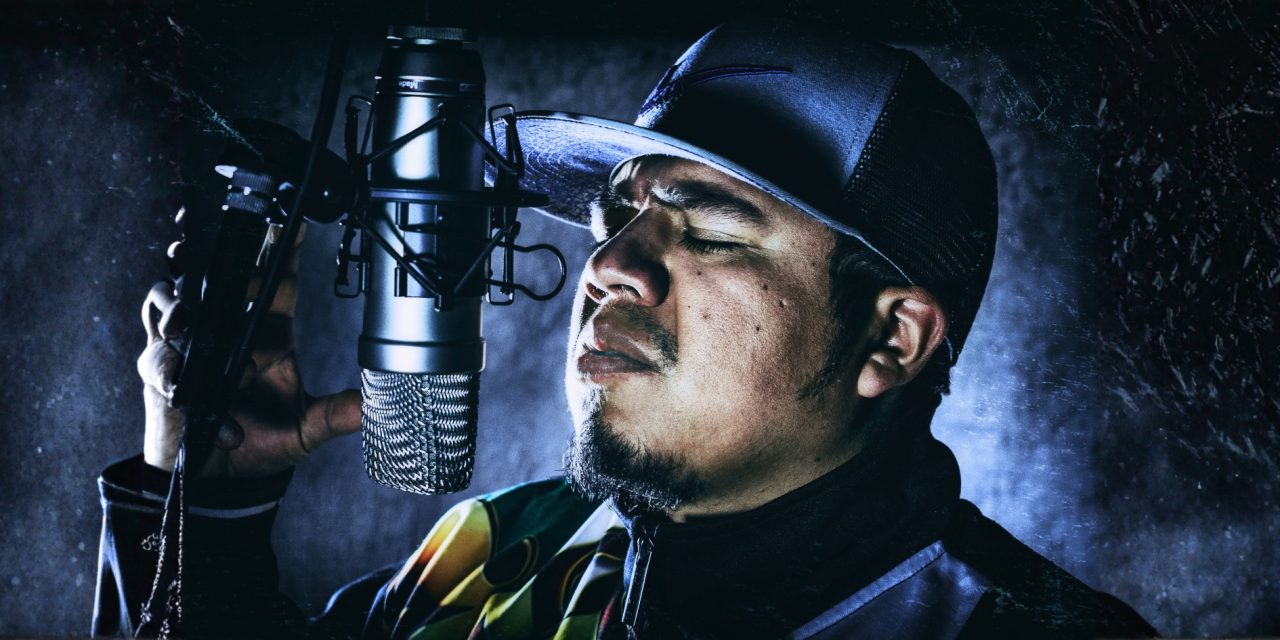
Some gospel rap songs feel like a sermon with a beat. Others feel like a playlist repeat waiting to happen. The difference is not luck, and it is definitely not just talent.
There is a structure behind the songs that truly connect. A kind of creative “holy trinity” that shapes how the message lands and how long it sticks. When done right, it turns personal faith stories into tracks that people replay without even realizing why.
That formula comes down to three core elements: testimony, polish, and replay value. Together, they define modern Christian hip hop and explain why some songs travel far beyond their initial audience.
Artists like Lecrae and NF have mastered this balance. They combine raw honesty with refined production and hooks that refuse to leave your head. The result is music that feels real, sounds professional, and spreads widely.
Testimony: Authentic Faith Stories
At the heart of gospel rap is testimony. This is where real-life transformation becomes music people can feel.
Take Lecrae’s Don’t Waste Your Life. His journey from struggle to purpose unfolds clearly across structured verses. The storytelling is direct, honest, and grounded in faith.
A strong testimony often follows a clear arc. Verse one introduces pre-salvation life, sometimes touching on pain, mistakes, or lost direction. The chorus captures the turning point, often tied to a specific Bible verse like Romans 10:9. Verse two explores the post-conversion journey, including ongoing struggles and growth. The bridge then points to eternal stakes.
NF uses this structure powerfully in How Could You Leave Us. Lines like “Daddy why’d you leave?” reveal deep pain, while the shift toward faith reflects healing. The message lands because it feels real, not rehearsed.
This kind of testimony makes gospel rap relatable. It connects with listeners who are navigating their own journeys, especially within urban gospel spaces.
Polish: Professional Production
Great message alone is not enough. It needs to sound as good as it feels. That is where polish comes in.
Trip Lee’s Rise shows how production can elevate a track completely. What starts as a rough demo becomes a refined record through intentional mixing and mastering.
Polish begins with the vocal chain. Tools like Auto-Tune EFX and Waves CLA Vocals help shape clarity and tone. Then comes 808 tuning, often set between 30–55Hz for that deep, controlled punch common in trap gospel.
Mix bus compression, typically around a 4:1 ratio, helps glue everything together. Referencing tracks like Lecrae’s Gravity ensures the sound stays competitive. Mastering tools like LANDR AI or eMastered then finalize the track, depending on budget and detail needs.
Before polish, a demo might sit at -16 LUFS. After proper mastering, it reaches around -10 LUFS, making it ready for streaming platforms. This level of refinement gives gospel rap crossover appeal without losing its message.
Replay Value: Catchy Hooks and Flows
Even the deepest message needs a hook people remember. Replay value is what turns a good song into a repeat favorite.
KB’s Church Clap is a perfect example. The hook is simple, rhythmic, and layered with energy. It sticks instantly and keeps listeners engaged.
Strong hooks often follow a formula. They stay within 7–9 syllables, use tight rhyme patterns, and create a melodic rise and fall that feels natural. Add layered ad-libs with subtle reverb, and the hook gains depth without losing clarity.
Artists like Lecrae use repetition to build familiarity, while NF leans into emotional delivery. Both approaches work because they prioritize connection.
Examples of effective hooks include All I Need Is You by Andy Mineo and Holy Water by Trip Lee. These tracks prove that simplicity, when done right, drives replayability.
Conclusion
Gospel rap works best when message and music move together. Testimony brings honesty. Polish builds credibility. Replay value keeps the message alive long after the first listen.
When these elements align, songs stop feeling like one-time listens. They become part of people’s daily rotation, quietly shaping thoughts, moods, and even faith journeys. That is the real power behind modern Christian hip hop.
Which of these three elements are you intentionally sharpening in your next track?
Stay tapped into DLK Urban Gospel and Christian Hip-Hop for more breakdowns that help you turn real faith into music that actually connects.