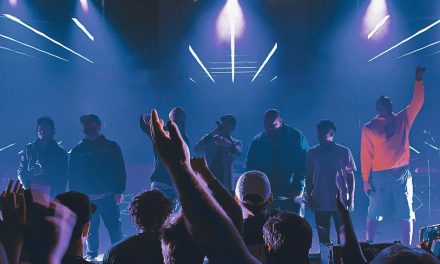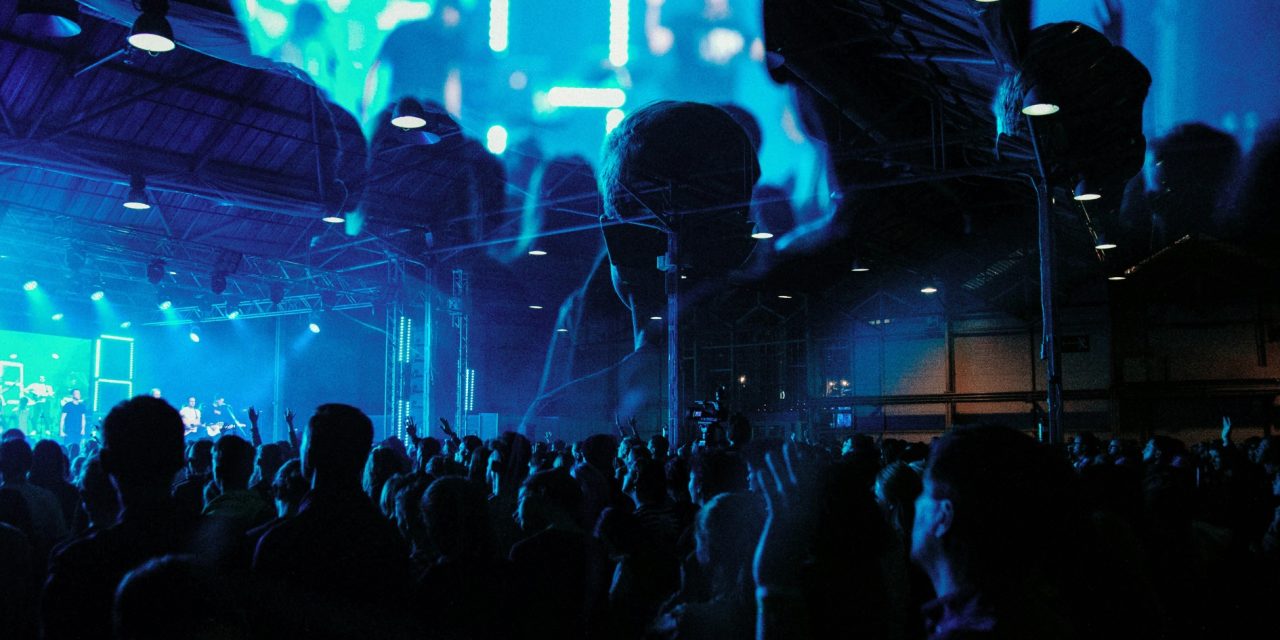
Imagine a crowd dressed in neon, waiting for the next bass drop. Then suddenly, the artist on stage starts rapping about redemption, grace, and purpose. No warning, just truth over 808s. That moment is where things get interesting.
Faith-filled hip-hop stepping onto a mainstream festival stage is not just another performance slot. It is a cultural collision. One that challenges expectations, sparks reactions, and sometimes leaves people unsure whether to vibe, reflect, or both.
As Christian Hip-Hop (CHH) pushes into these spaces, the question is no longer if it belongs there. The real question is what actually happens when it gets there.
Defining Faith-Filled Hip-Hop in a Festival Context
At its core, CHH blends urban sound with spiritual substance. It is not just rap with cleaner lyrics. It is music built on message, structure, and intention.
Artists like Lecrae have shown this clearly. Projects like Gravity combine trap-inspired production with salvation-centered storytelling. The music sounds current, but the message stays rooted.
Four key elements shape this genre. The first is theological depth, where scripture like Romans 8:28 becomes part of everyday language. These bars do more than rhyme. They invite reflection.
The second is clean delivery. No profanity, no shortcuts. This expands reach without diluting purpose.
Third comes the redemptive arc. Artists like Trip Lee share real struggles and victories, making faith feel lived, not theoretical.
Finally, there are Kingdom-centered hooks. These bring energy, positivity, and purpose into songs that still feel like mainstream hits.
Growth data supports this shift. Labels like Reach Records have reported strong year-over-year expansion, especially among younger listeners. That momentum is pushing CHH closer to mainstream stages.
What Happens When CHH Enters Mainstream Festivals
Mainstream festivals have long been dominated by high-energy, secular hip-hop. Events like Coachella and Rolling Loud thrive on crowd hype, big names, and viral moments.
Artists such as Travis Scott are known for chaotic, high-adrenaline performances. That sets a clear tone for what audiences expect.
So when CHH enters that space, the reaction can be unpredictable. Some fans lean in, drawn by the sound before fully processing the message. Others experience a kind of pause, where the lyrics shift the mood mid-performance.
This creates a unique tension. Faith-based lyrics meet environments built on pure entertainment. But instead of clashing completely, something more complex happens.
Moments of “mosh pit worship” start to emerge. Hands that were raised for hype stay raised for something deeper. Hooks rooted in scripture turn into crowd chants. The energy does not disappear. It evolves.
Artists like KB and Andy Mineo understand this balance. They deliver performances that match festival intensity while introducing a different kind of message.
Even short sets or opening slots can have lasting impact. A single performance can shift perception, spark online conversation, and open doors for future bookings.
The Cultural Impact and Aftershock
When CHH shows up in mainstream spaces, the effect goes beyond the stage. It creates ripple effects across culture, media, and the industry itself.
Social media plays a huge role here. Clips of unexpected gospel bars in festival settings spread quickly. Some viewers celebrate the boldness. Others debate whether it belongs. Either way, attention grows.
There is also a shift in audience crossover. Fans who came for mainstream acts get exposed to faith-driven content in a natural setting. No pressure, just presence. That exposure matters more than any marketing campaign.
For the industry, it challenges booking norms. Festivals that once excluded CHH begin reconsidering its place. Even one successful set can prove that faith-based hip-hop can hold its own in high-energy environments.
For artists, it raises the standard. Performing in these spaces requires both musical excellence and clarity of message. There is no room to hide behind either.
This is where CHH evolves from a niche into a movement. Not by abandoning its identity, but by placing it in rooms where it was never expected.
Conclusion
Faith-filled hip-hop stepping onto mainstream festival stages is not just a moment. It is a shift in how music, culture, and message interact.
It challenges assumptions on both sides. Festival crowds discover something deeper within the music. CHH artists prove they can match the energy without losing purpose.
The result is not chaos or compromise. It is transformation. A space where sound and substance meet, and where unexpected moments turn into lasting impact.
As more artists take that step, the line between sacred and mainstream continues to blur. Not in a way that erases identity, but in a way that expands reach.
Have you ever enjoyed a song first, then realized the message was hitting deeper than expected?
Keep up with DLK Urban Gospel as we explore how Christian Hip-Hop is reshaping real listening moments.