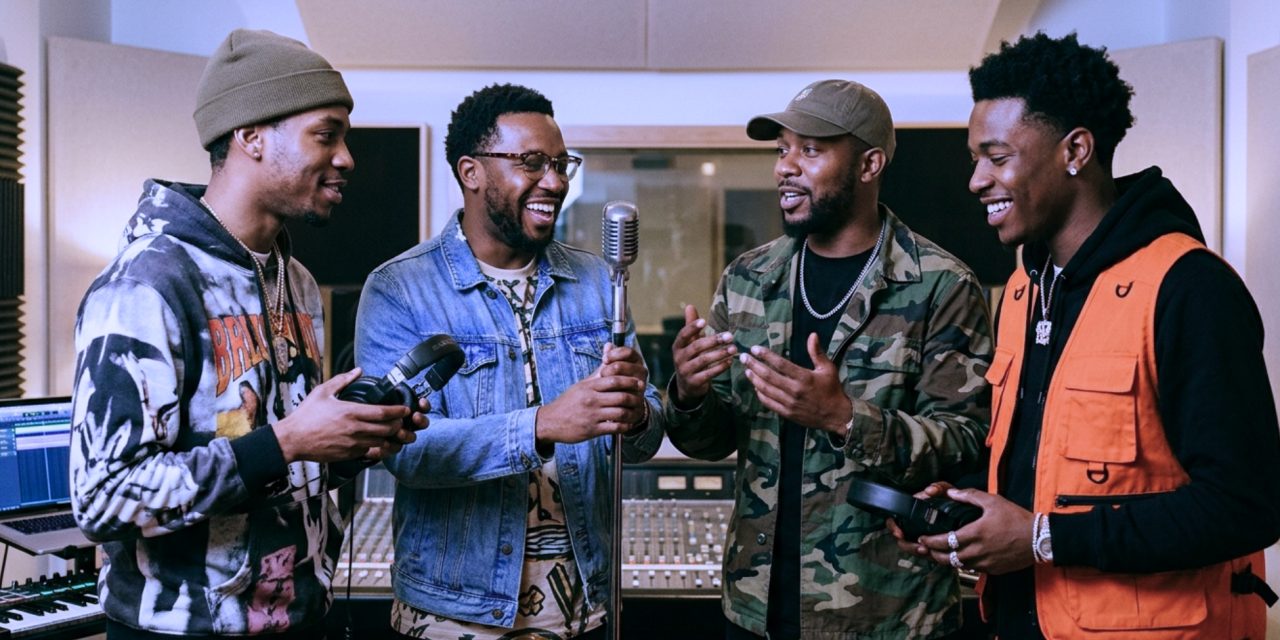
Competition once defined much of Christian hip-hop, but collaboration now defines its growth. What used to be label loyalty lines has shifted into something far more unified and strategic. Cross-label features are no longer rare moments; they are shaping the sound, reach, and identity of the genre itself.
That shift is not just about industry trends—it reflects a deeper alignment. Artists are recognizing that shared purpose outweighs brand separation. When voices from different labels come together, the result feels bigger than a feature; it feels like movement. This piece traces how that transition happened and why it continues to matter.
Rise of Cross-Label Features
Cross-label collaborations have surged, transforming how Christian hip-hop operates. Where artists once stayed within their label ecosystems, they now regularly step across those boundaries to create music that reaches wider audiences.
This evolution has expanded both sound and influence. Different production styles, flows, and perspectives merge into tracks that feel layered and dynamic. More importantly, these collaborations signal unity and this is something listeners pick up on immediately.
Rather than competing for space, artists are building alongside one another. That shift strengthens the genre’s identity and makes it more accessible to new listeners who may not follow label divisions at all.
Major Label Partnerships
Strategic partnerships with major labels helped accelerate this collaborative culture. When artists like Lecrae stepped into broader distribution spaces, it created opportunities for cross-label exposure that didn’t exist before.
Collaborations involving NF and Chance the Rapper showed how gospel-centered messaging could intersect with mainstream reach without losing identity. These weren’t just features—they were bridges between audiences.
As more artists navigated both independent and major systems, collaboration became less about logistics and more about intention. The result is a network of artists who can move fluidly, creating music that feels connected rather than siloed.
Key Cross-Label Moments
Certain collaborations helped normalize this shift. Artists like Andy Mineo and Wordsplayed blended distinct styles, while partnerships between KB and Bizzle brought energy from different camps into one space.
These tracks work because they don’t feel forced. Each artist contributes something distinct, but the message stays aligned. That balance—individual voice within shared purpose—is what makes these collaborations effective.
Over time, these moments have shifted expectations. Listeners now anticipate cross-label features, not as surprises, but as part of the genre’s natural rhythm.
Conclusion
Cross-label collaboration has reshaped Christian hip-hop from a collection of separate lanes into something far more interconnected. It has expanded reach, diversified sound, and strengthened the sense of shared mission across the genre.
More than anything, it shows that unity is not just a message in the music—it is now part of how the music is made.
Which collaboration actually made you appreciate an artist you hadn’t paid attention to before?
Let us know in the comments and stay tapped into the culture shaping Christian hip-hop in real time only at DLK Urban Gospel and Christian Hip Hop!