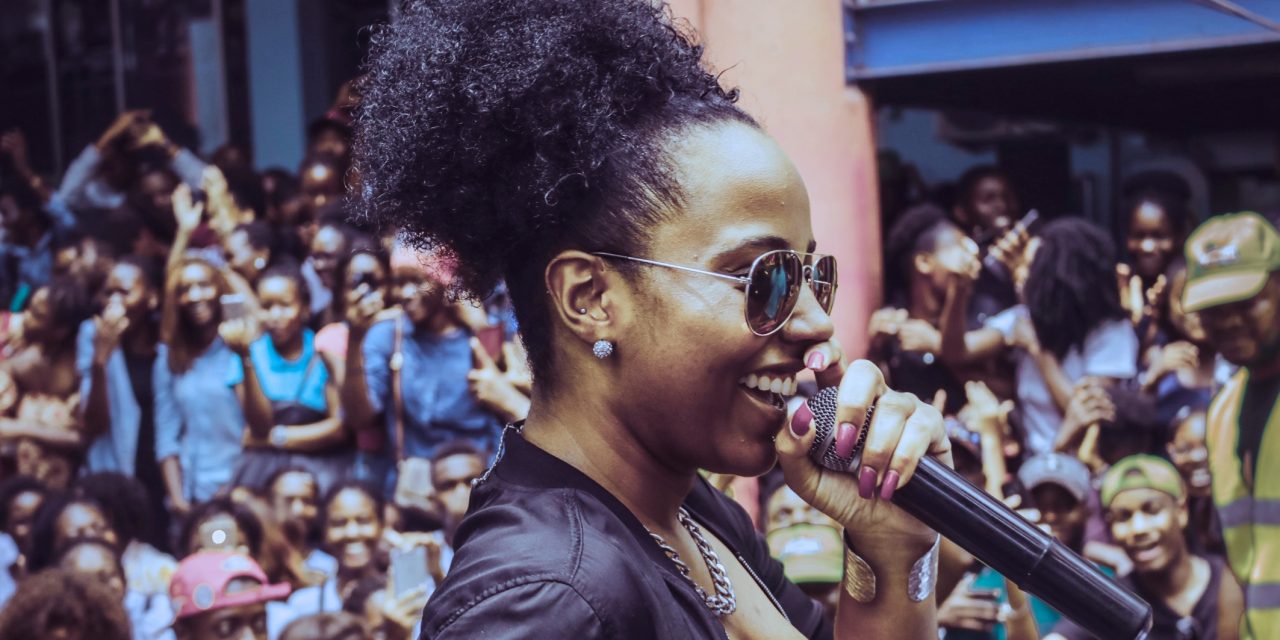
Female voices in Urban Gospel and Christian Hip Hop are louder than ever. But, the road behind that visibility is anything but smooth.
While more women are stepping into the spotlight and shaping the genre’s sound, many are still navigating systems that weren’t originally built with them in mind. From behind-the-scenes decision-making gaps to how their work is perceived publicly, the challenges are layered. And understanding them isn’t just important. Rather, It’s necessary if the genre is going to grow in a way that truly reflects all its voices.
Industry Barriers Still Limiting Growth
The progress is real, but so are the structural limitations.
Industry data continues to show that women remain underrepresented in key decision-making roles, which directly affects how opportunities are distributed. When leadership spaces lack diversity, it often means fewer chances for female artists to be signed, promoted, or even fully understood within the creative process.
Organizations like She Is the Music are actively working to change this. They are doing this by creating pathways through mentorship and access to resources. Similarly, initiatives such as Women in Music provide networking spaces where female artists can develop both creatively and professionally.
On the platform side, tools like Spotify for Artists are beginning to offer targeted workshops focused on skills like marketing and financial literacy. These opportunities matter because they don’t just support artistry—they support sustainability.
Still, the reality is that many female artists have to be more intentional and strategic. They also have to be more persistent just to access the same spaces. Until representation improves at the top, the playing field won’t fully level out.
Shaping Perception and Reclaiming Visibility
Beyond industry structure, perception plays a powerful role in shaping success.
Media coverage and public attention often lean heavily toward male artists, sometimes unintentionally sidelining the contributions of women in the same space. For instance, artists like Lecrae frequently receive widespread visibility, which can overshadow equally impactful female voices.
In response, movements like #WomenInGospel have emerged to amplify and celebrate women who are shaping the genre. Artists such as Tasha Cobbs Leonard continue to demonstrate the depth, power, and influence of female artistry through both message and performance.
Streaming platforms like Spotify and Apple Music have made efforts to curate more inclusive playlists, but visibility in playlists doesn’t always translate to broader promotional support. That gap is where audience action becomes important.
Listeners now play a direct role in shaping perception. Sharing music, supporting releases, and intentionally engaging with female-led projects helps shift the narrative from the outside in. Over time, this kind of support doesn’t just increase streams—it changes how the industry prioritizes voices.
Conclusion
The challenges female artists face in Urban Gospel and CHH are real, but so is the momentum pushing against them.
Progress is happening through advocacy, community, and growing awareness. However, there is still work to be done, especially in leadership representation and media visibility. The future of the genre depends on how well it embraces the full range of voices within it.
And when those voices are fully seen and supported, the music doesn’t just grow—it deepens in meaning, impact, and authenticity.
Be honest—when last did you intentionally check out a project led by a female artist in Gospel or CHH?Let’s start there—discover, share, and keep the conversation going with DLK Urban Gospel and Christian Hip Hop.