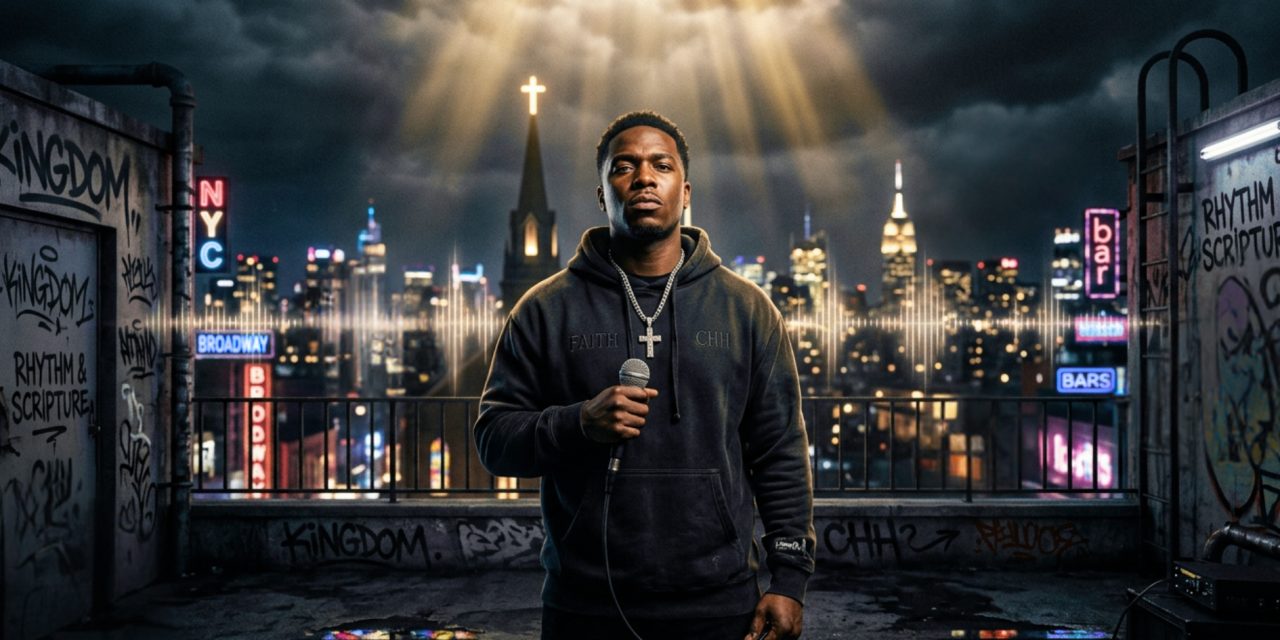
Christian hip-hop has grown fast. But, growth doesn’t always mean full acceptance. The genre is reaching new audiences, entering mainstream spaces, and shaping youth culture, yet it still carries a quiet tension around how far that reach can truly go.
And interestingly, the resistance isn’t just external. It comes from both sides—those outside the faith and those deeply rooted within it. That creates a unique pressure: expand your reach, but don’t lose your identity.
The Perception Problem: “Is It Real Hip-Hop?”
One of the biggest barriers facing Christian Hip Hop is the question of authenticity.
In some secular circles, it’s dismissed as too safe or overly polished. In certain religious spaces, it’s viewed as too influenced by mainstream culture. That leaves the genre navigating two worlds that don’t always agree.
Artists like Lecrae have experienced this tension directly. His crossover into mainstream audiences sparked criticism from traditionalists who felt the message risked being diluted.
But visibility always brings scrutiny. The real challenge is growing without losing the foundation that makes the genre meaningful in the first place.
The Generational Gap—and the Opportunity
There’s another side to this conversation that often gets overlooked: opportunity.
Research from Pew Research Center shows that many younger Christians feel disconnected from traditional church music. That gap creates space for something different—something that sounds like their world while still speaking truth.
This is where Christian hip-hop begins to shine. Artists like NF and Andy Mineo are reaching listeners who might never engage with more traditional formats. Through storytelling, vulnerability, and modern production, they create an entry point that feels real and relatable.
Growth vs. Identity
As the genre expands, it continues to wrestle with a core tension: how to grow without losing itself.
- Expanding into mainstream platforms increases visibility but invites more scrutiny
- Reaching wider audiences creates impact but raises questions about message clarity
- Evolving sonically opens doors but challenges traditional expectations
These tensions aren’t signs of weakness—they’re signs of a genre in transition.
Conclusion
Christian hip-hop is no longer on the sidelines. It’s growing, stretching, and stepping into bigger spaces, even while navigating criticism and expectation.
What makes this moment powerful is not the absence of tension, but the ability to move forward through it. Because if the genre can hold onto its message while expanding its reach, it won’t just grow—it will redefine how faith connects with modern culture.
Ever found yourself caught between staying true and reaching further?
That exact tension is shaping Christian hip-hop right now—keep watching it unfold on DLK Urban Gospel and Christian Hip Hop.