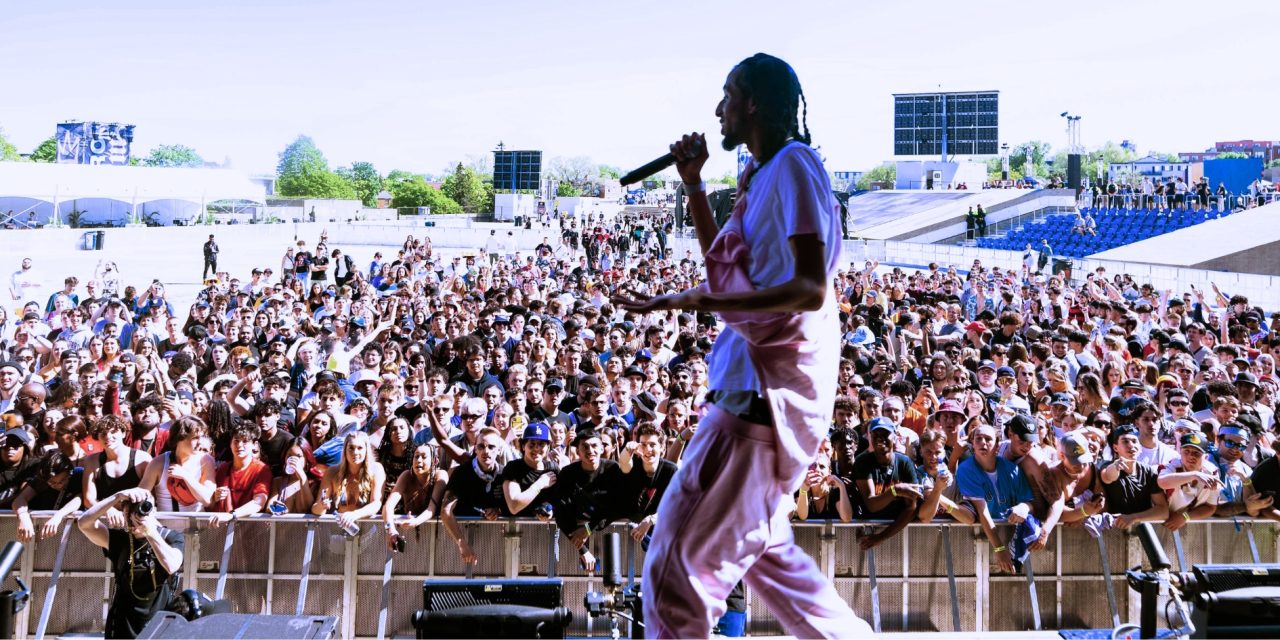
Momentum changes perception—and Christian hip-hop is finally moving at a pace the industry cannot ignore. What once lived in church basements and youth conferences is now stepping onto some of the most visible stages in global music culture. This is not a sudden breakout; it is a calculated climb shaped by strategy, consistency, and timing.
Festival lineups don’t shift by accident. They reflect demand, audience crossover, and proven performance. CHH’s rise onto these stages signals something bigger than visibility—it signals acceptance. This piece breaks down how that progression happened and why it matters for the genre’s future.
Strategic Festival Lineups
Christian hip-hop has transitioned from niche event slots to recognized festival bookings through deliberate planning. Labels and management teams now approach festival circuits with long-term strategy, targeting placements that expand reach without diluting identity.
Artists like Lecrae and NF have played key roles in this shift. Their ability to connect with both faith-based and mainstream audiences makes them ideal bridge artists for festival programmers testing new ground.
What changed is not just the music—it is the positioning. Booking teams now plan appearances far in advance, ensuring artists are placed in environments where their impact can grow organically. The result is a steady increase in visibility rather than one-off appearances.
From Local to National Stages
The journey from small gatherings to major festivals follows a clear progression. It is less about overnight success and more about stacking credibility at every level.
Early stages often begin in community-centered spaces, where artists refine performance skills and build direct audience connection. From there, they move into larger Christian festivals that introduce them to broader but still aligned crowds.
Breakthrough moments come when artists step into mainstream environments. Performances at events like Lollapalooza signal that CHH can hold its own alongside diverse genres. These appearances are not just symbolic—they prove that the music translates beyond its core audience.
Artists such as Andy Mineo represent the next phase of that growth, positioning themselves for even larger stages. Each step builds momentum, turning what was once a niche lane into a recognized presence.
The Roadmap Behind the Growth
This progression follows a repeatable pattern:
- Start with consistent performances in smaller, community-driven events
- Build recognition through regional and genre-specific festivals
- Leverage breakout moments on mainstream stages
- Transition into headlining opportunities as demand increases
What makes this effective is patience. Festival ecosystems reward artists who prove reliability over time. CHH’s growth reflects that discipline, with artists earning their place rather than forcing entry.
Conclusion
Christian hip-hop’s rise on festival lineups is not a trend. It is the result of intentional movement. Strategic bookings, artist consistency, and audience crossover have combined to push the genre into spaces it once struggled to access.
As more artists follow this path, the question is no longer whether CHH belongs on these stages—it is how far it can go.
Which festival moment made you realize Christian hip-hop could stand alongside any genre on a global stage?
Let us know in the comments and stay connected to the movement shaping the sound of modern faith culture only at DLK Urban Gospel and Christian Hip Hop!


