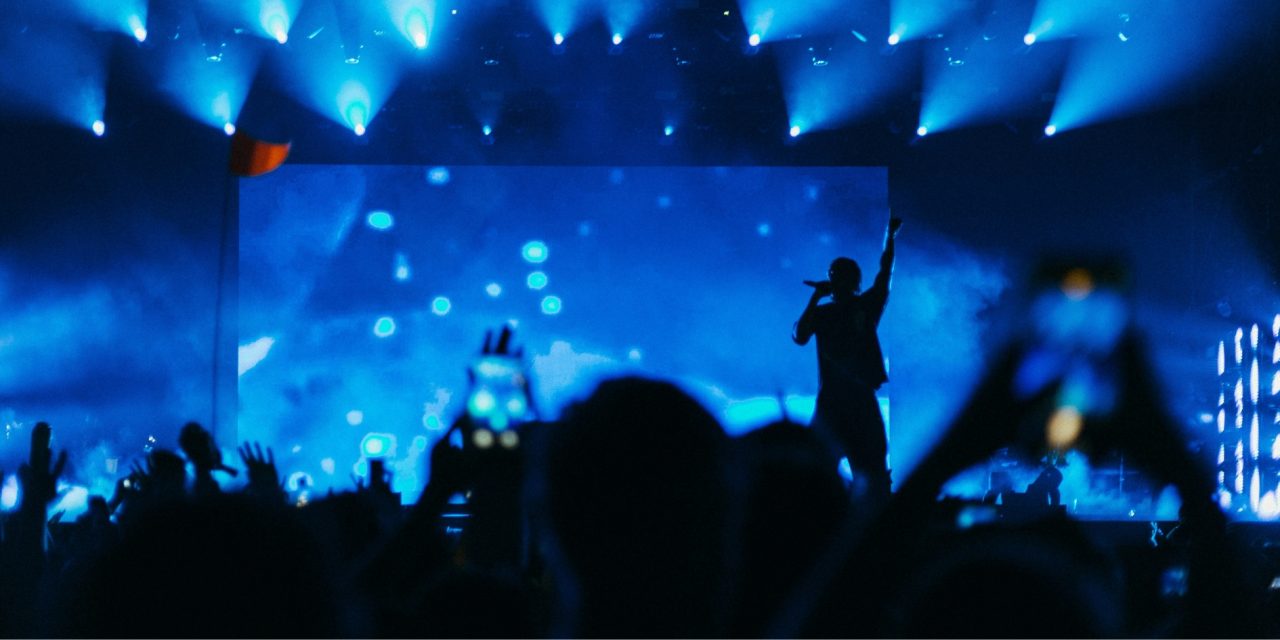
Christian Hip-Hop used to live on cassette tapes and church sound systems. Now it is shaking festival stages where people came for anything but a sermon. That is not a small jump. That is a full cultural shift with bass behind it.
From 1980s Jesus Jams to today’s trap-infused sound, CHH has evolved into something bold and visible. It now blends faith with mainstream energy, creating moments that feel just as at home in a festival crowd as in a church setting.
Artists like NF and Lecrae have helped push that transition. Their music merges emotional depth, polished production, and cultural awareness. The result is a genre no longer confined to one space.
Cultural Shifts Defining Modern CHH
The current wave of CHH is not random. It is shaped by clear cultural shifts that connect faith with modern hip-hop culture.
Sound is the first shift. Trap gospel now dominates, with heavy 808s inspired by producers like Metro Boomin layered under scripture-driven lyrics. This creates a sound that feels both current and spiritually grounded.
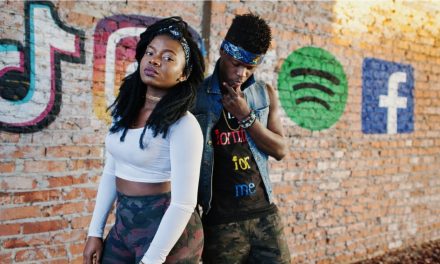
Fashion follows closely. Artists mix faith-based messaging with streetwear aesthetics, blending holy tees with brands like VLONE. This visual identity helps CHH stand confidently in mainstream spaces.
Language has also evolved. Slang and biblical references now live in the same verse, creating a style that feels natural to younger listeners. It is not watered down. It is translated.
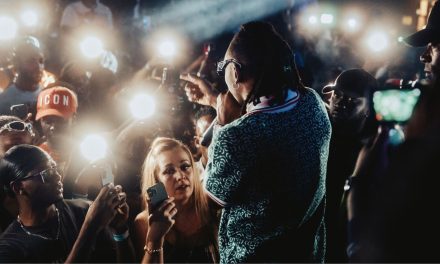
Crowds are changing too. Festival ravers and church-rooted fans now share the same space, creating moments that feel like “mosh pit worship.” That fusion is redefining what a gospel experience can look like.
Themes complete the shift. Mental health, identity, and even apocalyptic ideas now sit alongside traditional faith messages. This layered storytelling mirrors the emotional depth seen in artists like NF.
Together, these changes signal a new era. CHH is no longer adapting to culture. It is actively shaping it.
Influencing the Next Generation of Artists
This cultural shift is not just about performance. It is building the next wave of creators.
Events like Rolling Loud create powerful moments for young fans. Watching artists like NF command massive crowds inspires teenagers to start creating their own music. Exposure at this level makes the dream feel reachable.
There is a clear mentorship effect at play. Young artists study stage presence, crowd control, and delivery from names like Lecrae and Andy Mineo. These are not just performances. They are live masterclasses.
The pipeline often starts with visibility. VIP access, influencer circles, and festival networking help emerging talent get noticed. From there, collaborations open doors, followed by label opportunities with organizations like Reach Records.
Artists like Joey Vantes and Wande show how fast this growth can happen. Festival exposure leads to streaming spikes, stronger fanbases, and long-term career momentum.
For producers and beatmakers, the impact is just as strong. Hearing trap gospel and drill-inspired CHH live pushes them to experiment. They return home ready to blend faith with current production trends.
This cycle keeps repeating. One performance inspires ten new creators. Those creators bring fresh ideas, and the genre keeps expanding.
Conclusion
CHH is no longer a side lane in hip-hop. It is becoming a visible and influential force within the culture. From sound and fashion to language and themes, everything about the genre is evolving in real time.
What makes this moment powerful is not just the music. It is the people being shaped by it. Young artists are watching, learning, and stepping into their own creative paths with confidence.
The shift from church pews to festival mosh pits is not about losing identity. It is about expanding reach while staying rooted in purpose. That balance is what will define the future of Christian Hip-Hop.
Do you think CHH should lean further into mainstream culture or protect its distinct identity as it grows?
Stay locked into DLK Urban Gospel and Christian Hip Hop for more deep dives on Christian Hip-Hop!