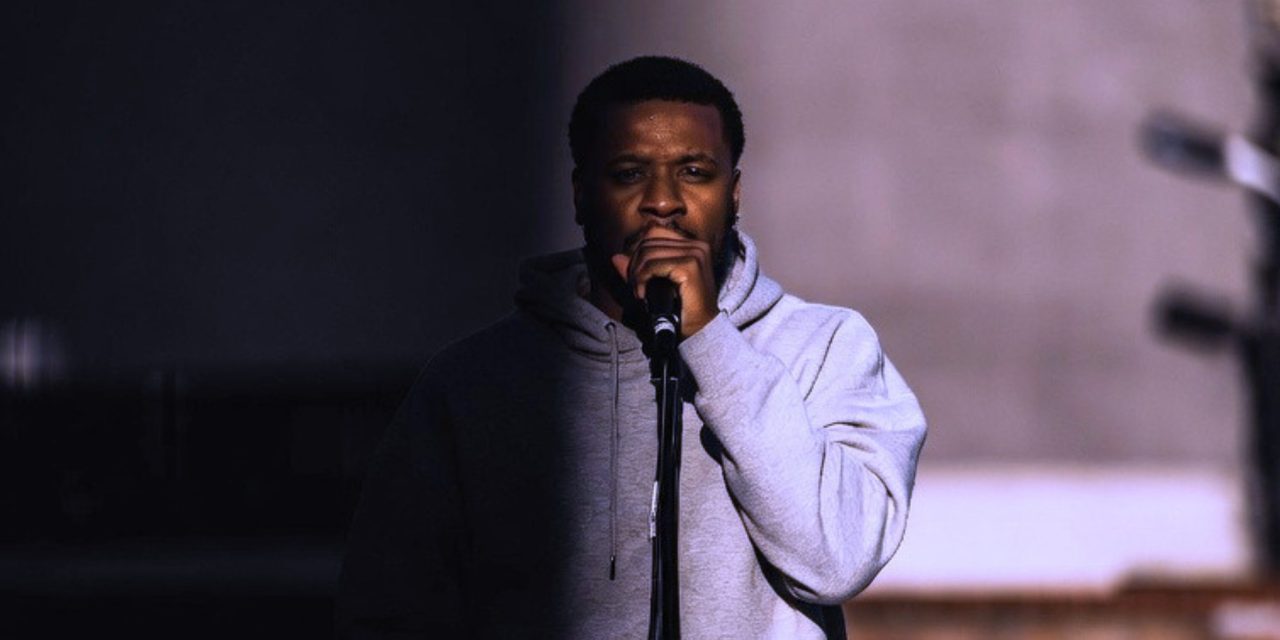
There’s a difference between explaining your faith and defending it—and in Christian hip-hop, that line gets crossed more often than people realize. The moment a song starts sounding like a rebuttal instead of a declaration, the energy shifts. Listeners don’t always disengage because of the message, they disengage because of the posture.
What’s at stake isn’t just tone, it’s impact. The most effective CHH records don’t argue their way into attention; they command it through clarity and conviction. When the message stands confidently, it doesn’t need constant justification—and that’s where real connection begins.
The Defensive Trap in Christian Hip-Hop
Many Christian hip-hop artists feel pressure to respond—to critics, to culture, to misconceptions about faith-based music. That pressure often shows up in lyrics through subtle defensive cues: phrases that explain too much, correct too quickly, or push back instead of pulling listeners in.
The result? Reduced engagement. Instead of drawing people closer, defensive language creates distance. Listeners can sense when a track is reacting rather than leading.
Here’s how common patterns tend to land:
| Defensive Pattern | Impact on Listeners |
| Victim language | Engagement drops |
| Culture-war jargon | Higher skip rates |
| Score-keeping comparisons | Unfollow risk |
| Fear-based warnings | Lower shareability |
Artists like Lecrae and Andy Mineo show a different approach. Their strongest moments don’t come from defending the faith—they come from declaring it with confidence and letting the message carry weight on its own.
Common Triggers and Pitfalls
Defensiveness rarely appears out of nowhere. It’s usually triggered by real pressures: comparison, criticism, or the urge to prove something. The key isn’t ignoring those triggers, but responding differently.
Here are five common traps, with shifts that keep the message strong without losing its edge:
- Secular success envy
Before: “They got mansions, we got crumbs.”
After: Focus on faithfulness over visibility—letting purpose define success. - Church criticism
Before: “Church folks fake, we real.”
After: Lead with humility, acknowledging flaws without weaponizing them. - Mainstream rejection
Before: “They hate us ‘cause we’re holy.”
After: Reframe opposition as part of the journey, not proof of superiority. - Doctrine debates
Before: “Your theology wrong, mine right.”
After: Center the core message instead of turning songs into arguments. - Platform comparisons
Before: “They got millions, we got thousands.”
After: Measure impact by transformation, not numbers.
Artists like NF and Trip Lee often model this well. Their music feels honest and grounded, without slipping into defensive explanation.
Conclusion
The strength of Christian hip-hop has never been in how well it argues. It’s in how clearly it speaks. When artists move from reaction to conviction, the music feels lighter, sharper, and more inviting without losing depth.
Over time, that shift builds trust. Listeners don’t just hear the message—they feel its confidence. And in a genre built on truth, that kind of clarity carries further than any defense ever could.
Have you ever noticed a song lose its impact because it felt like it was trying to prove something instead of just saying it?Let us know in the comments and stay tapped into the sound shaping faith and culture at DLK Urban Gospel and Christian Hip Hop!