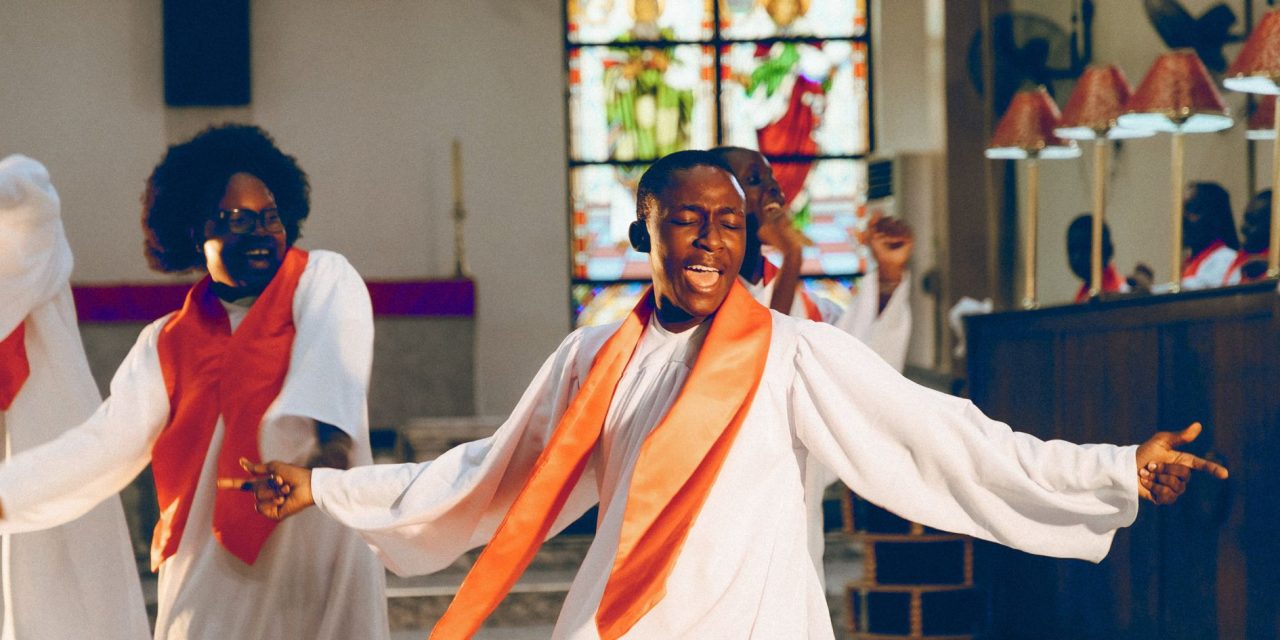
For a while, Christian hip-hop could make plenty of noise without needing a room full of singers behind it. A strong beat and one memorable vocal could carry an entire track.
That is beginning to change. Bigger vocal arrangements are becoming more noticeable across the genre, with churches, youth choirs, and artists finding new ways to work together. The rise of gospel choir Christian hip hop reflects a broader interest in bringing the communal energy of gospel back into modern rap.
Why Bigger Vocals Are Returning
Several changes are helping bring choir arrangements back into the conversation. Streaming trends are giving producers another reason to experiment, while churches are looking for music that works beyond stripped-down beats.
Youth choirs are also becoming part of the process. Instead of remaining inside traditional church settings, some are contributing vocals to Christian hip-hop projects and giving producers access to the layered sound they want.
By the end of 2022, some artists were moving from single vocal lines toward three- or four-part arrangements. The change was subtle at first, but it became increasingly difficult to miss.
There was no single industry campaign behind the shift. Artists experimented, listeners responded, and producers followed the sound.
Streaming Is Rewarding Fuller Vocal Arrangements
Streaming platforms have helped producers notice how listeners respond to choir-heavy tracks.
Spotify for Artists data cited in the original piece shows choir-focused songs holding playlist saves 37 percent longer than straight rap tracks. Several playlists also began featuring tracks with stacked vocals during the third quarter of 2023.
Rapzilla Gospel, Holy Hip Hop Daily, and Gospel On Deck each added songs using fuller vocal arrangements.
For producers, those signals can encourage further experimentation. A choir can make a hook feel larger without requiring the rapper to change their entire style.
That balance is important. The goal is not to turn every Christian hip-hop track into a traditional choir recording. Instead, artists are finding ways to let gospel vocals add weight, emotion, and a sense of togetherness.
That is part of what makes gospel choir Christian hip hop interesting right now. The sound can feel contemporary while still carrying something familiar from the church.
Worship Culture Is Creating Fresh Demand
The changing needs of churches are another part of the story.
Post-pandemic worship settings saw increased interest in choir-led music, with surveys cited in the original piece reporting a 61 percent rise in requests. Worship leaders were also working with recurring tempos around 72, 92, and 112 BPM.
These changes created opportunities for vocal arrangements that could work in both worship environments and modern Christian music.
Pre-recorded vocal pads also helped reduce rehearsal demands. Choirs could work from prepared material rather than spending entire sessions building every part from scratch.
That matters for younger singers especially. Shorter preparation can make it easier for students to participate without exhausting their voices or disrupting school schedules.
The result is a useful exchange. Producers gain authentic group vocals, while choirs gain opportunities to participate in contemporary Christian music.
Youth Choirs Are Part of the Collaboration
Youth choirs are perhaps the most interesting part of this shift.
Choirs from 23 churches reportedly received credits on Christian hip-hop tracks during 2023. Many of those recording sessions were completed in under two hours, making the process practical for young singers and busy producers.
Salem Baptist in Chicago, Life Church Atlanta, and Hope City Houston were among the church communities mentioned in connection with these projects.
The appeal goes beyond convenience.
Young singers bring a different kind of energy to a recording. Their voices can make a hook feel communal rather than simply layered, particularly when several parts move together.
For Christian hip-hop artists, that creates another way to connect rap with the musical traditions that influenced the genre.
It also gives young musicians a chance to hear themselves in contemporary releases rather than seeing choir music as something confined to Sunday morning.
Conclusion
The renewed interest in gospel choirs reflects more than a production trend. It connects Christian hip-hop with the communal sound of church music while giving younger singers new opportunities to participate in the genre.
Streaming preferences, changing worship environments, and youth collaborations are all contributing to that movement. As artists continue experimenting, choir vocals may become an increasingly recognizable part of contemporary Christian hip-hop.
The choir is back. But what happens when Christian hip-hop stops treating those big vocals as a throwback and starts making them part of its future?
DLK Urban Gospel and Christian Hip-Hop explores the creative shifts, gospel influences, and emerging sounds giving Christian hip-hop its next chapter.


