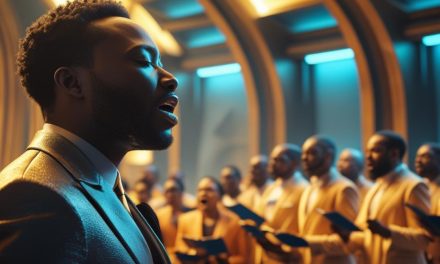
Trying to predict the future of gospel rap is a bit like trying to guess the next bar in a freestyle—you might get close, but the best artists always surprise you. Just when the genre seems to settle into a rhythm, someone arrives with a fresh sound, a different perspective, and lyrics that make you hit replay.
That spirit of creativity is shaping today’s Christian Hip-Hop scene. Emerging artists are embracing new production styles, connecting with listeners online, and carrying the Gospel into places where traditional ministry often struggles to reach.
A New Generation Is Redefining Gospel Rap
A wave of younger Christian Hip-Hop artists is bringing fresh energy to the genre by blending modern production with honest, faith-filled storytelling. Rather than simply following established formulas, many are creating music that reflects real-life struggles, spiritual growth, and the challenges facing today’s generation.
Artists such as NF, J. Monty, and KB each contribute something unique.
J. Monty combines trap-inspired production with thoughtful, introspective lyrics that explore faith and personal growth. KB, meanwhile, continues to address issues such as justice, identity, and culture while actively engaging listeners through live discussions and behind-the-scenes content. Together, they demonstrate how Christian Hip-Hop can remain both biblically grounded and culturally relevant.
Social media has also become part of the ministry.
Platforms like Instagram and TikTok allow artists to build genuine communities, share testimonies, preview new music, and encourage conversations that continue long after a song is released.
Gospel Rap Is Becoming a Global Movement
Christian Hip-Hop is no longer defined by one country or one culture. Around the world, artists are blending local musical traditions with Gospel-centered messages, creating a genre that feels both deeply personal and universally relevant.
In the United States, artists like KB continue to combine contemporary hip-hop with biblical themes. In Nigeria, Communicator incorporates African rhythms and local languages into his music while keeping Christ at the center of every message. Meanwhile, UK artist Vicky Beeching brings British musical influences into faith-based songwriting, demonstrating how worship and cultural identity can complement one another.
These diverse approaches enrich the genre rather than divide it.
By embracing their own cultures while proclaiming the Gospel, Christian Hip-Hop artists are proving that the message of Christ transcends borders, languages, and musical styles.
A Legacy That Continues to Grow
The lasting impact of gospel rap reaches far beyond streaming numbers or chart positions. At its best, the genre creates space for honest conversations about faith, identity, justice, and hope while pointing listeners toward Christ.
Artists such as Lecrae and NF have helped shape that legacy by sharing personal stories of struggle, redemption, and perseverance. Their willingness to combine biblical truth with authentic storytelling has inspired countless younger artists to do the same.
As new voices continue to emerge, gospel rap remains a powerful platform for sharing the Gospel through creativity, cultural expression, and meaningful dialogue.
Conclusion
The future of gospel rap looks bright because it continues to grow without abandoning its foundation. Emerging artists, global influences, and authentic storytelling are expanding the reach of Christian Hip-Hop while keeping its message firmly rooted in the Gospel. As the genre evolves, it will continue to inspire listeners, challenge perspectives, and demonstrate that faith-filled lyricism belongs on every stage.
Which emerging Christian Hip-Hop artist do you think is shaping the future of gospel rap? Discover more artist features, Urban Gospel news, and Christian Hip-Hop insights at DLK Urban Gospel and Christian Hip-Hop.