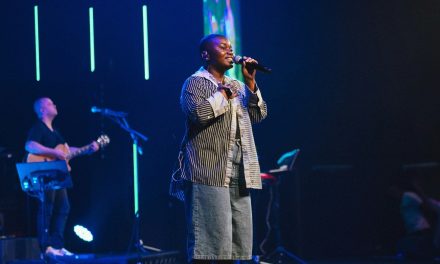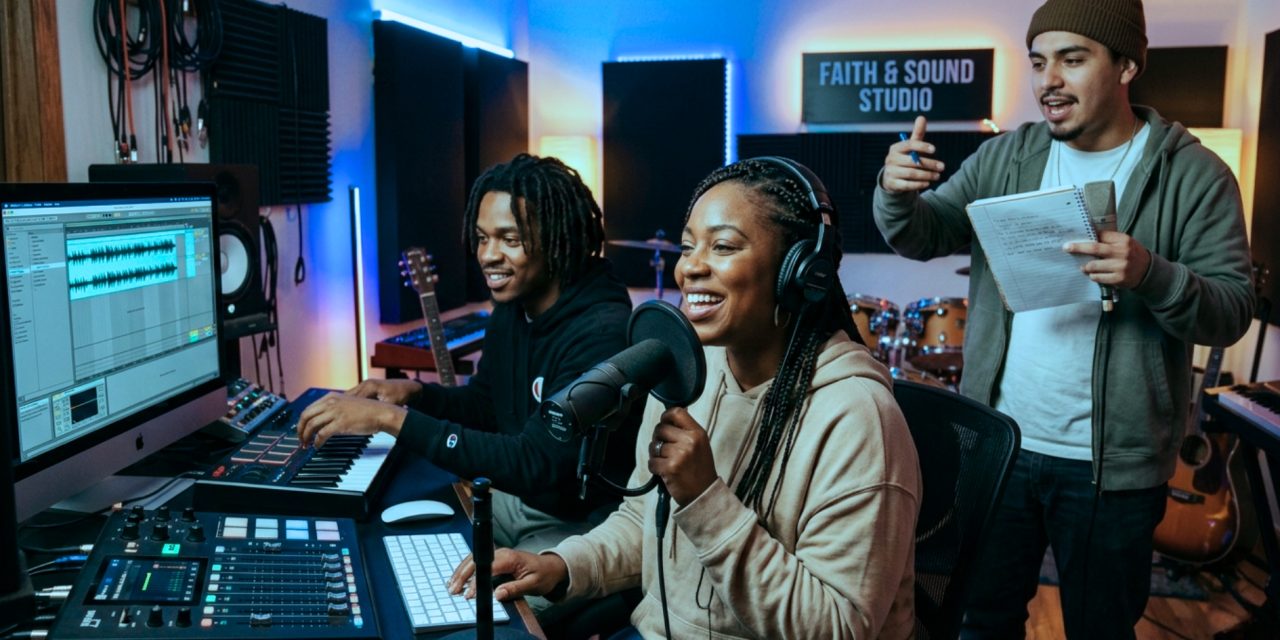
Music rarely stays in neat little boxes for long. Genres mingle, artists experiment, and suddenly a fresh sound appears where no one expected it. Christian Hip Hop and R&B are moving through one of those creative moments, where collaborations are expanding what faith-driven music can sound like while reaching listeners far beyond traditional boundaries.
Blending Gospel Roots with Urban Production
As musical boundaries continue to blur, the future points toward even deeper collaboration between gospel-inspired artists and urban music creators. Christian Hip Hop and R&B artists are increasingly blending gospel themes with contemporary beats, melodic R&B hooks, and modern production techniques.
This approach already appears in the work of artists such as Chance the Rapper and Lecrae, who incorporate faith-centered storytelling within contemporary hip hop frameworks. Their music demonstrates how spiritual themes can coexist with mainstream production styles while remaining authentic to the message.
Collaborations between hip hop artists and R&B vocalists are also becoming more common. Projects involving artists like Snoop Dogg, who has explored gospel influences alongside his established hip hop sound, show how unexpected partnerships can push creative boundaries. These collaborations allow producers to craft beats that support both lyrical testimony and melodic expression, creating songs that resonate emotionally while still maintaining strong rhythmic foundations.
Digital Platforms Fueling Creative Innovation
Digital platforms are also accelerating cross-genre experimentation. Streaming services and social media have removed many traditional barriers that once separated musical audiences and genres.
Platforms such as SoundCloud and TikTok allow emerging producers and artists to release experimental tracks quickly and connect with listeners who appreciate genre-blending sounds. A gospel-inspired hook over a trap beat or an R&B chorus layered onto a Christian Hip Hop track can circulate globally within hours.
For producers, this environment encourages creative risk-taking. Artists can test new sounds, collaborate remotely, and receive immediate feedback from listeners. As a result, the emphasis on storytelling, testimony, and personal experience continues to grow, helping songs build deeper emotional connections with audiences while maintaining strong musical innovation.
Conclusion
Cross-genre collaborations are shaping a dynamic future for Christian Hip Hop and R&B. As producers and artists combine gospel influences with modern urban production, they continue expanding how faith-centered music can sound and who it can reach.
These partnerships do more than create fresh tracks. They strengthen the connection between message, music, and audience, opening space for new voices, new sounds, and powerful storytelling that speaks to contemporary listeners.
Which cross-genre collab do you think could push Christian Hip Hop and R&B to the next level?
Join the conversation in the comments and stay connected with more insights into gospel-driven urban music at DLK Urban Gospel and Christian Hip Hop.