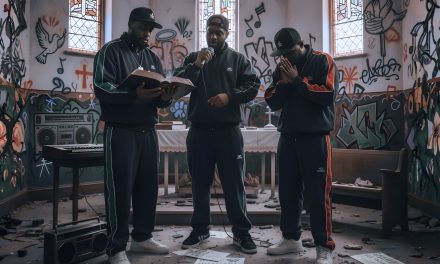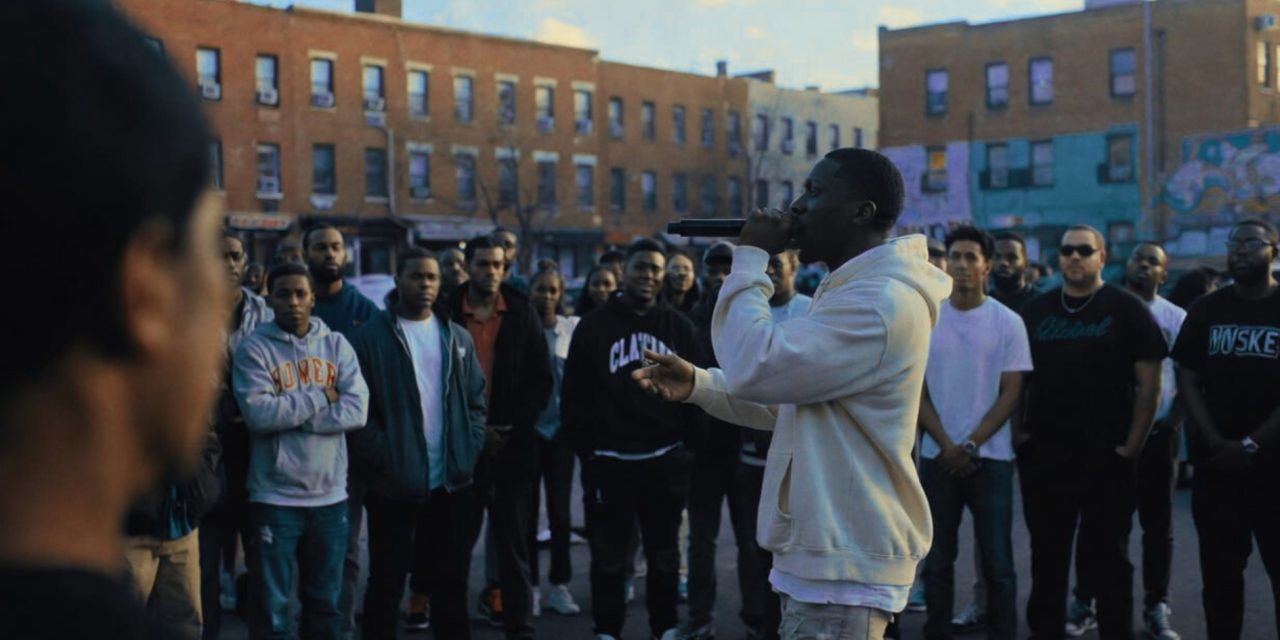
Ever notice how Christian Hip Hop can pack out arenas, dominate streaming playlists, and still feel like it’s knocking on two different doors at once? One foot in the church, the other in the wider music industry—and sometimes both sides aren’t quite sure what to do with it.
Yet that tension is also part of the genre’s story. As Christian Hip Hop grows, its industry reception reveals a fascinating landscape of breakthrough successes, niche audiences, and ongoing challenges. From chart-topping artists crossing into mainstream spaces to internal conversations within church communities, the journey shows a genre steadily carving out its own place.
Mainstream Acceptance
While Christian Hip Hop continues to grow, gaining full recognition in the broader music industry remains an ongoing challenge.
Some artists have managed to break through these barriers. For instance, Lecrae achieved major visibility by topping secular charts and collaborating with widely recognized artists. His success showed that faith-driven hip hop can resonate far beyond traditional gospel audiences.
Another example is NF, who broke into the Billboard Hot 100 and secured a strong presence on the Billboard 200. His album Perception even debuted at No. 1, demonstrating the potential for Christian-influenced hip hop to compete on mainstream platforms.
However, many artists still operate primarily within niche audiences. Musicians like Andy Mineo often find strong support within dedicated communities while facing slower progress toward broader chart success.
Research reflects this reality. A 2022 study suggested that while 22% of gospel albums reach the Top 10, only about 5% cross over into mainstream charts, highlighting the unique challenges artists in the genre continue to navigate.
Challenges Within Church Communities
Christian Hip Hop also encounters challenges from within church circles, particularly regarding how the genre interacts with commercial success and mainstream culture.
Some church members worry that as artists gain visibility in the wider industry, their messages could drift away from core Christian teachings. These concerns often surface when artists collaborate with secular musicians or appear in mainstream media spaces.
For example, Lecrae has occasionally faced criticism for partnering with secular artists. These discussions often center on whether such collaborations affect the authenticity of the message.
Artists themselves frequently respond by emphasizing their broader mission. Lecrae has explained that his goal is to reach diverse audiences while staying rooted in his faith. Similarly, KB openly addresses questions of faith and doubt within his lyrics, using music to explore real spiritual struggles rather than avoiding them.
For many artists, these conversations are simply part of working within a genre that exists at the intersection of culture, faith, and artistic expression.
Conclusion
Christian Hip Hop continues to grow, but its path forward involves navigating both industry barriers and expectations from within faith communities.
Rather than weakening the genre, these challenges often shape its identity. Artists must constantly balance authenticity, outreach, and creative freedom. The result is a form of hip hop that speaks to listeners searching for music that reflects both cultural energy and spiritual depth.
As more artists push boundaries and audiences expand, Christian Hip Hop may continue to bridge spaces that once seemed far apart.
Where do you think Christian Hip Hop truly belongs in today’s music landscape?
Join the conversation in the comments and keep exploring the growth, challenges, and future of the genre with us at DLK Urban Gospel and Christian Hip Hop. 🎤