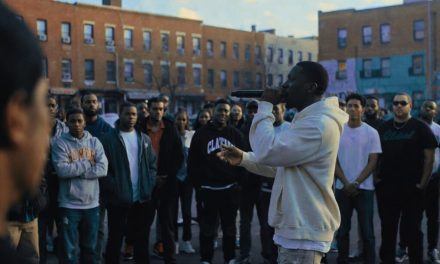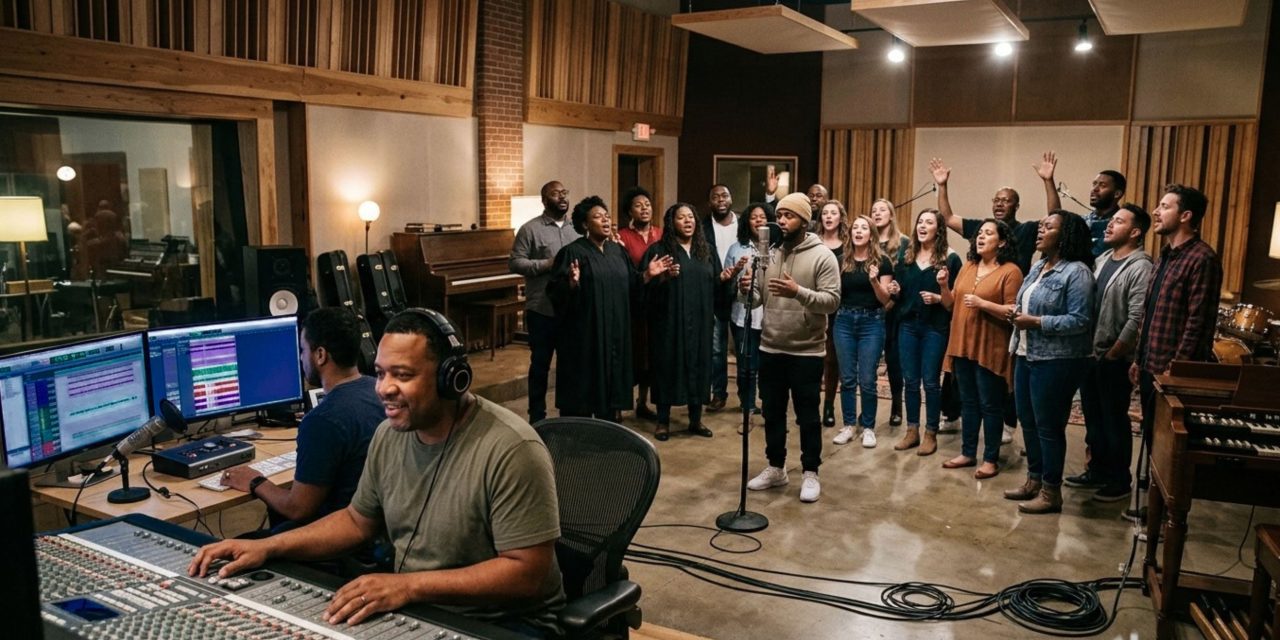
A choir can completely change the character of a hip hop track. One moment, you’re hearing drums and verses. Then several voices arrive together, bringing the sound of the church with them.
That connection did not appear overnight. Gospel choir Christian hip hop grew from a much longer musical relationship between Black gospel, church musicians, vocal harmony, and hip hop production.
From early gospel rap to contemporary Christian hip hop, producers and artists have continued finding ways to place powerful group vocals beside modern beats. Understanding that history makes today’s choir-heavy tracks sound even more significant.
The Gospel Choir’s Place in Christian Hip Hop
The relationship between gospel choirs and Christian hip hop reaches back to the genre’s early development. Gospel music had already established a powerful tradition of layered vocals, call-and-response, harmony, and collective singing.
When Christian rappers began combining faith-based lyrics with hip hop production, those musical traditions naturally came with them.
The result was not simply rap with a choir added on top. Gospel arranging brought its own musical language into the genre. Multiple vocal parts could create movement around the rapper, while group responses could reinforce key phrases.
The size and arrangement of those vocal sections have changed over time. Modern productions can use 8-16 layered voices, while earlier recordings often relied on smaller vocal groups, sampled material, or more straightforward backing parts.
Still, the purpose remains familiar. The choir can carry a hook, answer the lead, or fill the space underneath the rapper without taking over the entire track.
Defining the Big Vocal Sound
The power of a gospel choir comes from how different voices work together.
A typical arrangement can divide the vocal parts across several ranges. Sopranos provide brightness and lift, while altos bring warmth through the middle of the arrangement. Lower voices add weight and help anchor the harmony.
Those parts can then be arranged into distinct musical roles.
The lead stack can reinforce the main hook. Call-and-response sections can place a lead singer against the larger group. Sustained background vocals can function almost like a pad, filling the production without competing with the rapper.
This approach creates something that a single doubled vocal cannot quite reproduce.
The effect becomes even stronger when the producer leaves enough space for each section. Rather than filling every bar with voices, the choir can enter at carefully chosen moments and make those sections feel larger.
Historical Roots in Gospel Rap
Before contemporary Christian hip hop developed its current production style, gospel rap was already experimenting with the meeting point between church music and hip hop.
Groups and artists connected to the early Christian rap movement drew from gospel’s vocal traditions while working within the rhythmic structures of hip hop.
The influence was not limited to lyrics. Gospel harmony, choir arrangements, organs, handclaps, and call-and-response could all find places inside rap productions.
Groups such as DC Talk helped bring Christian messages into mainstream hip hop and rock audiences during the 1990s. Other Christian rap artists continued developing the relationship between church-rooted musical traditions and hip hop production.
The arrangement was often straightforward. A choir section could appear after a verse or before a final chorus, creating a larger emotional moment without changing the fundamental structure of the rap track.
That basic idea continues to influence producers today.
From Live Choirs to Sampled Vocals
Not every Christian hip hop producer had access to a full choir. Sampling therefore became another important way to bring gospel voices into hip hop.
Producers could take vocal phrases, harmonies, or choir passages from existing recordings and reshape them around a beat. A sampled voice could become a hook, a texture, or a recurring musical motif.
Live singers offered something different. Instead of taking an existing recording, producers could build the exact harmony needed for the track.
That distinction became increasingly important as production technology developed. Modern sessions can involve multiple vocalists recording separate parts, giving producers precise control over harmonies, timing, effects, and arrangement.
The technology changed, but the musical idea remained connected to gospel’s older tradition of many voices becoming one sound.
Conclusion
The history of gospel choir Christian hip hop is really a history of musical ideas being carried forward and reshaped.
Church harmony, collective singing, call-and-response, and powerful vocal arrangements became part of the vocabulary that Christian hip hop could draw from. Producers later combined those traditions with sampling, drum machines, digital recording, and modern rap production.
The result is a sound that can feel both familiar and completely current.
Which part of that history interests you most: the early gospel-rap connection, the rise of sampled choir vocals, or the move toward full live choirs?
DLK Urban Gospel and Christian Hip Hop explores the artists, sounds, and traditions that show where Christian hip hop came from—and where it’s going next.