A gospel choir can transform a hip hop beat, but getting the right sound takes more than adding layered vocals. Producers must choose between live singers, sample libraries, or a combination of both. In gospel choir Christian hip hop, those choices affect the arrangement, mixing process, production time, and overall budget. Each approach offers different advantages, from the flexibility of live recording to the convenience of ready-made samples.
Choosing the Right Production Workflow
Most producers settle into one workflow for an entire project. Some prefer live choir sessions, while others rely on sample libraries. That decision influences everything that follows.
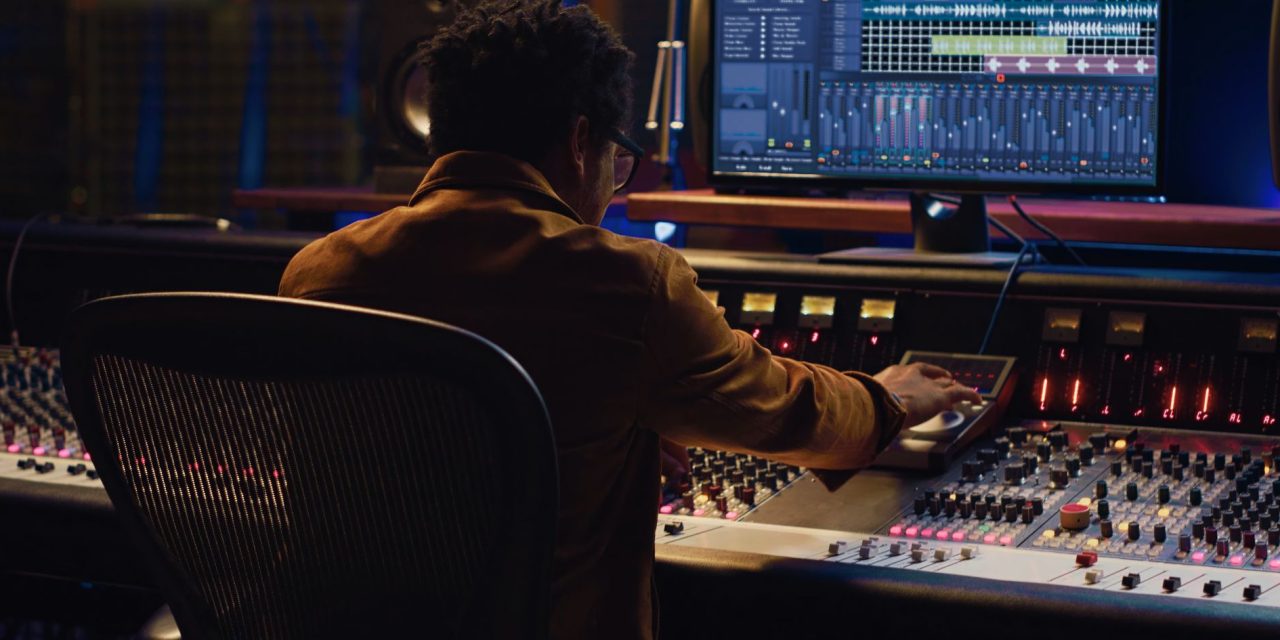
Live recording might involve booking a 24-track session, with each singer recorded separately. Producers can then position the altos and sopranos independently and shape the room sound. Sample-based arrangements can use just six tracks, saving time but offering less flexibility.
CHH producers often turn to Reaper because it can handle large track counts. When deadlines are tight or budgets are limited, sample libraries like EastWest Voices of Soul provide fresh vocal textures without waiting for singers.
Some productions combine both approaches. Samples carry the chorus, while live ad-libs enter during the final verse. This keeps the choir feeling alive while helping control recording time and costs.
Layering Choirs in Modern Beats
Mixing starts with the choir bus, where producers can shape the combined vocal sound before it reaches the main beat. One suggested starting point is a -14 LUFS choir bus.
A 4:1 compressor can help control vocal dynamics before the choir enters the main beat bus. The exact settings depend on the recording and the desired sound.
Next, producers can add a touch of saturation to introduce warmth and subtle grit. Light processing often helps the voices cut through the kick and snare without becoming harsh.
Side-chain compression offers another way to balance the choir against the drums. With the kick triggering the compressor, the choir briefly ducks when the drums hit. A threshold near -18 dB can serve as a starting point, depending on the signal level.
This routing helps keep the gospel texture prominent while allowing the beat to breathe. Producers can also automate the side-chain amount across different sections instead of applying the same intensity throughout the song.
Live Recording vs. Sampled Vocals
A full live choir session can cost between $1,200 and $2,000. A three-hour booking may cover rehearsal, tracking, and a few additional takes.
Sample packs typically cost between $49 and $199 and can be loaded in around half an hour. For beat-makers working with limited budgets or tight schedules, they offer a convenient starting point.
However, real voices bring a presence that samples can struggle to reproduce. Singers respond to one another, and a choir director can adjust harmonies during the session. That spontaneous interaction helps create the energy associated with a live church choir.
Sample libraries also offer different tempos and keys for specific production needs. The original examples include Ultimate Gospel Choirs at 85–95 BPM in C minor, Sunday Service Vocals at 140 BPM in G major, and Urban Choir Hits around 120 BPM in A minor.
These combinations can suit different hip hop and worship arrangements. However, producers should choose samples that fit the individual track rather than forcing every production into the same tempo or key.
Some artists split the difference by recording one live lead vocal and using samples for the remaining layers. The real voice adds human presence, while the samples help keep costs manageable.
For gospel rappers, this hybrid approach offers a practical middle ground between the character of live singing and the convenience of sampled vocals.
Conclusion
Live choirs, sample libraries, and hybrid recording each offer distinct benefits for Christian hip hop production. The right choice depends on the sound, flexibility, time, and budget a project requires.
Careful layering and mixing help those choir parts sit naturally alongside the beat. Ultimately, the goal is to preserve the choir’s gospel character while giving the production enough space to breathe.
Would you rather hear the raw energy of a live gospel choir or the polished sound of carefully chosen samples? Join the conversation with DLK Urban Gospel and Christian Hip Hop as we explore the production choices shaping faith-inspired rap.