Traditional Gospel trap music is gaining attention, but its reception remains divided. While some listeners embrace its heavy bass and modern rhythms, others question whether the sound belongs in traditional worship.
That divide reaches beyond musical taste. From industry recognition to disagreements within congregations, Gospel trap continues to raise questions about reverence, musical expression, and how churches connect with younger generations.
Industry Recognition of Trap-Gospel Projects
Trap-gospel is attracting award-season attention, even as some traditional worship leaders remain unconvinced. The debate becomes especially visible in churches, where one music director may hear a fresh form of worship while an organist hears an unwelcome change.
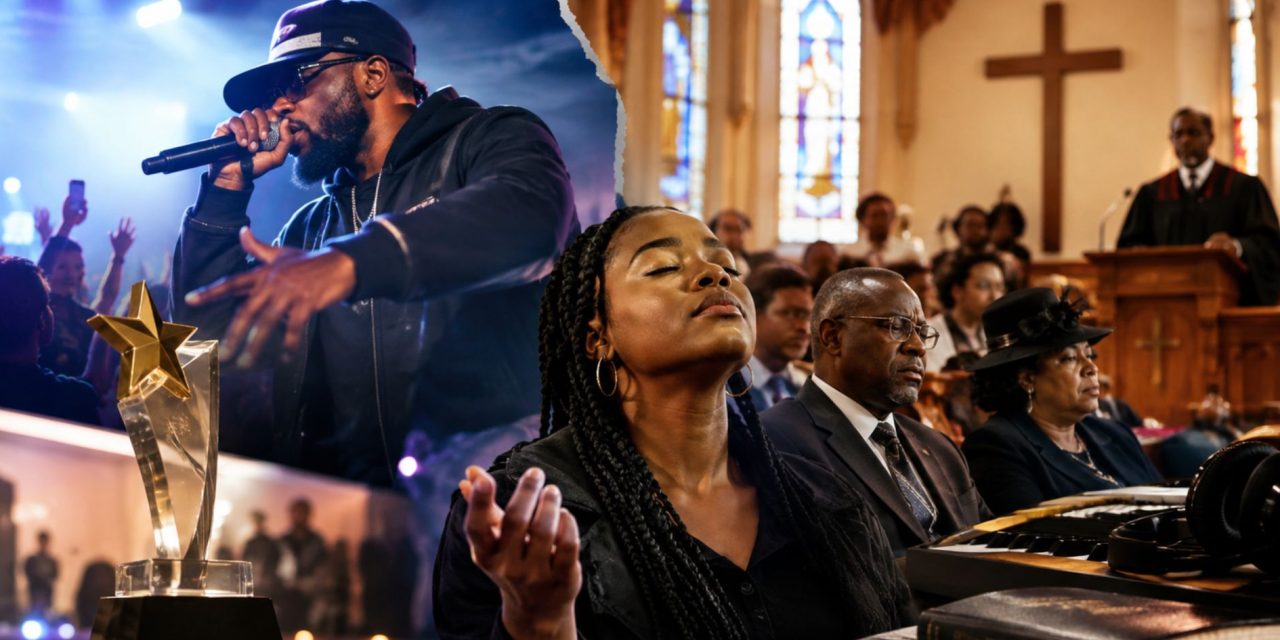
Consider a Sunday service where a worship leader adds a short trap drop to an old spiritual. The youth section rises to its feet within seconds, while the choir director remains seated. Both reactions reflect different expectations of worship.
For some congregations, 808s and rapid hi-hats layered over a hymn bring familiar songs to life. Others hear those same sounds as a departure from established worship traditions. The disagreement continues as Gospel trap reaches wider audiences.
Stellar Awards Recognition of Trap-Gospel Projects
Award recognition can bring Gospel trap further into the Christian music conversation. The original article cites the Stellar Awards’ Rap/Hip-Hop Gospel Album category and identifies Lecrae’s Church Clothes 4, Kirk Franklin’s LONG LIVE LOVE, and Tasha Cobbs Leonard’s Royalty: Live at the Ryman deluxe edition.
The article also describes productions running between 135 and 148 BPM. Rolling snares, sliding 808s, and chopped choir vocals sit over the drums, creating a blend of Gospel textures and trap rhythms.
Producers named in the original account include S1, Black Knight, and Mano. Their production work illustrates the role beat-making plays in shaping the genre’s sound.
The article further reports increased streaming after the awards and gradual radio adoption. Some stations reportedly waited for listener requests before adding the music to their playlists.
These developments point to a wider conversation about where Gospel trap fits within Christian music. However, the specific award details, nomination figures, streaming increase, and radio claims need verification before publication.
Debates Within Traditional Church Communities
The disagreement becomes more personal inside local churches. The original article attributes contrasting attitudes toward trap-gospel to Barna research, reporting that older pastors were more likely to consider it inappropriate for Sunday service.
It also reports that younger adults found the music engaging. The questions behind these responses are straightforward: does the music help people connect with Scripture, and could it welcome someone unfamiliar with traditional church music?
Church members may answer those questions differently, even when they share the same faith. Some older congregants object to ad-libs interrupting organ passages, while younger listeners appreciate hearing musical styles that reflect their everyday lives.
Both groups may appeal to reverence when explaining their preferences. For one, reverence may mean preserving familiar arrangements. For another, it may involve expressing faith through contemporary sounds.
Some large churches have responded by offering separate services. An earlier service might retain the piano, organ, and full choir, while a later gathering uses drum machines, layered vocals, and programmed loops.
In the later service, congregations can still sing along while the production sounds more contemporary. Some churches even provide foam earplugs for attendees who prefer lower volume levels.
Rather than resolving every disagreement, these arrangements give different worship preferences room to coexist. They also show how traditional Gospel trap music continues to challenge assumptions about sound, worship, and generational connection.
Conclusion
Gospel trap sits at the intersection of musical innovation and long-standing church traditions. Its growing visibility brings opportunities for artists, but it also raises questions about what congregations consider appropriate worship.
Award recognition, audience responses, and changing church services reveal different ways people engage with the genre. The conversation ultimately extends beyond beats and basslines to the role music plays in faith communities.
Should Gospel trap have a place in traditional Sunday worship, or does it work better in a separate service? Join the conversation with DLK Urban Gospel and Christian Hip Hop and share how you think churches can respect tradition while reaching new generations.