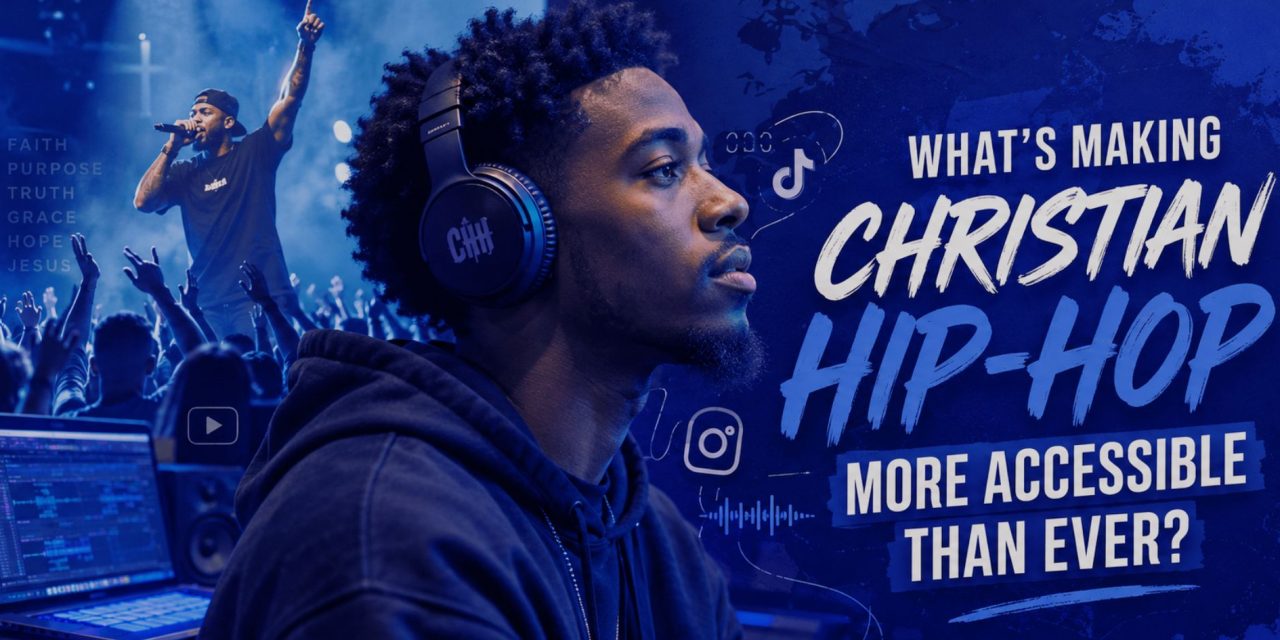
Not long ago, discovering Christian Hip-Hop often meant knowing where to look. Today, that’s changing rapidly. Streaming platforms, social media, collaborative production, and evolving musical styles have made gospel rap easier to discover than at any point in the genre’s history.
This growing accessibility isn’t about watering down the message. Instead, many artists are finding creative ways to pair biblical truth with memorable melodies, contemporary production, and authentic storytelling that resonate with listeners both inside and outside the church. As technology and music culture continue to evolve, Christian Hip-Hop is reaching audiences that previous generations could scarcely imagine.
Melodic Hooks Are Expanding the Audience
One of the biggest shifts in modern Christian Hip-Hop has been the growing use of melodic choruses alongside traditional rap verses. Rather than relying exclusively on lyrical intensity, many artists now incorporate memorable hooks that make songs easier to revisit and easier for new listeners to embrace.
Artists such as Lecrae, Andy Mineo, KB, and Hulvey regularly blend melodic vocals with rap, creating songs that appeal to fans of contemporary hip-hop while remaining rooted in their faith.
This approach broadens the genre’s reach without sacrificing its central message.
Technology Is Lowering Creative Barriers
Modern music production has become far more accessible than it was even a decade ago. Affordable recording software, virtual instruments, sample libraries, and AI-assisted creative tools allow independent artists to produce professional-quality music from home studios.
While AI can help generate musical ideas or speed up parts of the songwriting process, it cannot replace the personal testimony and spiritual conviction that define Christian Hip-Hop. The technology serves as a creative assistant rather than a substitute for authentic storytelling.
As these tools become more widely available, emerging artists have greater opportunities to develop their sound and share their music with global audiences.
Short-Form Content Is Driving Music Discovery
Platforms like TikTok, Instagram Reels, and YouTube Shorts have transformed how people discover new music. Instead of hearing an entire song first, many listeners encounter a memorable chorus, compelling lyric, or live performance clip before seeking out the full track.
For Christian Hip-Hop artists, these platforms create opportunities to share faith-centered music in spaces where millions of users already spend time each day. Short clips featuring worship, testimony, or encouraging lyrics often generate conversations that extend well beyond the music itself.
Rather than replacing long-form listening, social media increasingly serves as the first introduction to the genre.
Recognition Continues to Grow
Christian Hip-Hop now occupies a more visible place within the wider music industry than it once did. Successful independent releases, major festival appearances, streaming success, and collaborations across genres have helped introduce gospel rap to broader audiences.
Although recognition from mainstream award shows remains selective, the genre no longer depends on traditional industry validation to build influence. Streaming platforms, direct fan support, and independent distribution have given artists new ways to reach listeners while maintaining creative control.
This independence has become one of Christian Hip-Hop’s greatest strengths.
The Future Looks Increasingly Connected
As churches embrace digital ministry, artists expand their online presence, and younger audiences continue discovering faith through music, Christian Hip-Hop is positioned to become even more accessible.
The genre’s future will likely be shaped not by abandoning its identity, but by continuing to communicate timeless biblical truths through the musical language of each new generation.
Conclusion
Christian Hip-Hop’s growing accessibility reflects more than technological change—it reflects a generation of artists committed to meeting listeners where they are. Through memorable songwriting, accessible production, digital platforms, and authentic faith, the genre continues to remove barriers without compromising its message.
As new creators emerge and audiences expand, Christian Hip-Hop is proving that meaningful music can be both culturally relevant and spiritually grounded.
Where do you think more people are discovering Christian Hip-Hop today—church, streaming, or social media? Explore more artist stories and genre insights on DLK Urban Gospel & Christian Hip-Hop.


