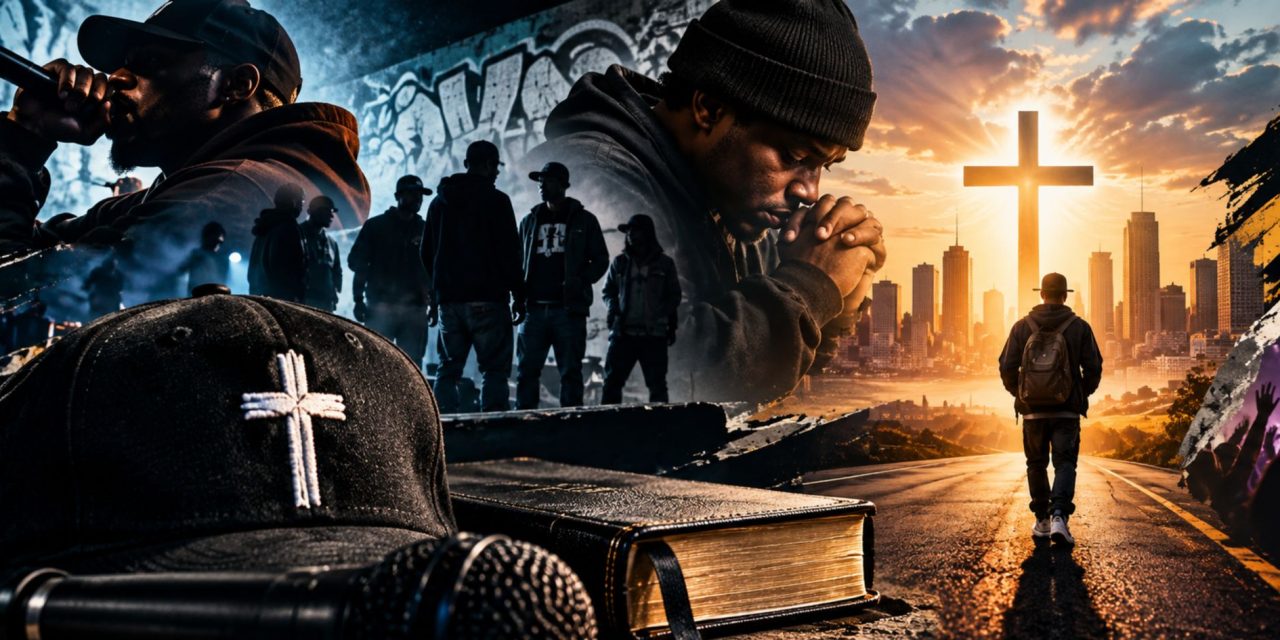
Imagine an artist stepping onto a festival stage, knowing some listeners came for the music while others question the message behind it. The crowd is ready, but the artist faces a familiar question: how far can Christian Hip Hop expand without losing its identity?
In 2026, CHH stands at an interesting crossroads. Streaming platforms, social media, mainstream collaborations, and church communities are creating new opportunities, but they also raise difficult questions about authenticity, access, and purpose.
The genre’s next chapter will not be defined by audience size alone. It will also depend on how artists navigate the spaces between faith, culture, creativity, and commercial opportunity.
The Challenges Behind CHH’s Growth
Christian Hip Hop has already moved beyond the idea that faith-based rap belongs in only one musical or cultural space. Artists such as Lecrae and Andy Mineo have navigated conversations about mainstream exposure, artistic identity, and their relationship with the church.
That journey has not always been straightforward. Some listeners welcome broader exposure, while others worry that commercial success could weaken the genre’s spiritual foundation.
The tension is not simply about whether artists should reach mainstream audiences. It concerns how they communicate their faith, choose collaborations, and remain connected to the communities that helped shape them.
A 2025 Associated Press report described how Christian artists are reaching wider audiences through rap, Afrobeats, R&B, and streaming platforms. The same report highlighted continuing challenges involving label support, radio exposure, and genre classification.
These developments suggest that CHH’s growth involves more than securing larger platforms. Artists must also consider how their music is presented, discovered, and understood.
Four Challenges Shaping the Road Ahead
| Challenge | Potential Risk | Possible Response | Future Consideration |
| Mainstream exposure | Some church audiences may question an artist’s direction | Maintain clear artistic identity and communicate purpose | Wider reach without abandoning core values |
| Festival access | CHH artists may receive limited opportunities on major stages | Build strong live performances, partnerships, and audience demand | More opportunities for faith-based hip hop |
| Streaming visibility | Genre-blending music can be difficult to categorize | Use consistent releases, audience insights, and effective promotion | Greater discoverability across platforms |
| Church resistance | Some congregations may remain uncomfortable with hip hop | Encourage dialogue and create meaningful church partnerships | Stronger connections between artists and youth communities |
These responses are not guaranteed solutions. Each artist operates within a different market, audience, and ministry context.
The important point is that growth requires more than waiting for the industry to change. Artists, labels, churches, and event organizers all influence how Christian Hip Hop develops.
When the Industry Meets the Church
For years, Christian Hip Hop has existed between musical worlds. Artists have sought credibility within hip hop while also navigating expectations from Christian communities.
Andy Mineo and Wordsplayed recently reflected on how the genre has changed. Their discussion emphasized the opportunities created by streaming and independent platforms, alongside concerns about the relationships and accountability that once shaped the community more directly.
That contrast offers an important perspective. Digital platforms have made it easier for artists to reach listeners without relying entirely on traditional gatekeepers.
However, wider access does not automatically create deeper community. An artist can build a large audience while remaining disconnected from the people who understand their personal journey.
This is where church relationships, mentorship, and youth engagement may continue to matter. Churches do not have to approach every artist or musical style identically, but meaningful conversations can create space for understanding.
Youth ministry also presents an opportunity for CHH to connect beyond performance. Music can open discussions about faith, identity, struggle, ambition, and the realities young people face.
The challenge is avoiding a situation where artists are welcomed only when they fit a narrow expectation. At the same time, artists must recognize that communities may have genuine questions about their message and direction.
A sustainable relationship requires honesty from both sides.
Looking Toward CHH’s Future
Predicting that Christian Hip Hop will become the number-one Christian genre or produce three times more Top 40 entries would go beyond the available evidence. The genre’s future is better understood through the opportunities and uncertainties already visible.
Streaming remains an important part of that picture. Current artist-streaming lists show substantial audiences for established and emerging Christian rappers, including Lecrae, Hulvey, Caleb Gordon, and Andy Mineo. However, streaming figures alone cannot establish the future position of the entire genre.
The next phase may involve more musical experimentation, international collaborations, independent releases, and genre-crossing performances. These developments could introduce CHH to listeners who would not normally seek out Christian rap.
Yet expansion should not be measured only by mainstream recognition. Stronger local scenes, church partnerships, sustainable careers, and meaningful listener relationships are also relevant indicators of progress.
The question is not whether Christian Hip Hop must remain exactly as it was. The question is how it can evolve while preserving the convictions, creativity, and community that give it meaning.
Conclusion
Christian Hip Hop’s future will likely involve more opportunities, but those opportunities will bring difficult choices. Artists may find themselves balancing wider exposure with faith-based expectations, commercial ambitions with community relationships, and innovation with authenticity.
There is no single strategy that will work for every artist. What matters is making thoughtful decisions about the audience being served, the message being communicated, and the relationships being maintained.
The next chapter of CHH will not be written by streaming numbers alone. It will also be shaped by the artists, listeners, churches, and communities deciding what the genre can become.
Can Christian Hip Hop reach new ears without losing the people who first gave it a place to belong? DLK Urban Gospel and Christian Hip Hop follows that conversation through the artists, faith, culture, and industry shifts shaping CHH’s next chapter.