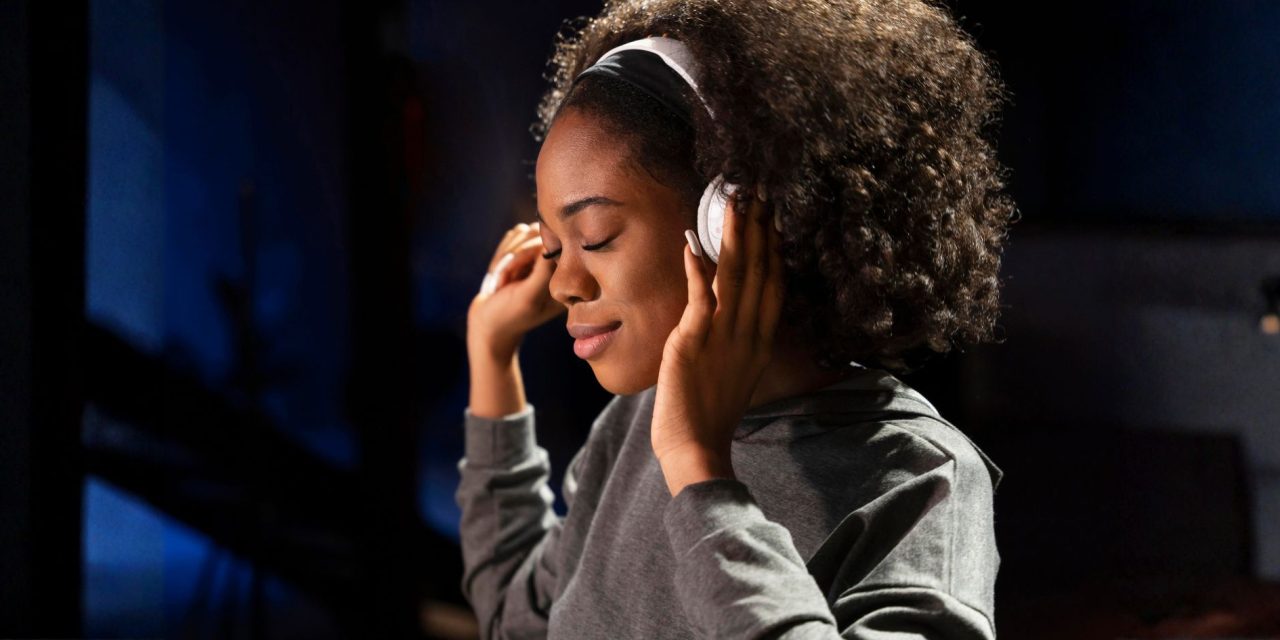
A great melodic hook can do something a perfectly written verse sometimes cannot: make someone feel connected before they even understand why. One replay turns into five, then suddenly the chorus is following them through traffic, grocery shopping, and awkwardly quiet elevator rides. That is usually when you know the artist got you.
In modern rap and CHH, melodic hooks have become one of the strongest tools for attracting new listeners because they create emotional familiarity instantly. Research around music psychology suggests melodies activate pleasure and reward systems in the brain faster than spoken-word delivery alone. That emotional connection lowers resistance, increases replay value, and helps listeners engage with songs long before they fully process every lyric.
Emotional Connection Through Melody
Melody creates emotional access points that pure bars sometimes cannot reach immediately.
Tracks built around memorable choruses, layered harmonies, and sing-along phrasing naturally feel more inviting to casual listeners. Repetition builds familiarity quickly, while melodic phrasing creates warmth and emotional lift that people instinctively respond to.
Songs like Sweet Victory by Trip Lee use melodic choruses to create emotional peaks that feel uplifting and human. The hook does not just support the track. It becomes the emotional center of it.
Several musical techniques strengthen this response:
- Repetitive hooks increasing familiarity
- Major-key resolutions triggering emotional uplift
- Call-and-response phrasing encouraging participation
- Vocal layering creating warmth and depth
- Rhythmic repetition improving memory retention
This is why melodic hooks often outperform dense lyrical sections in replay value. People may admire technical verses, but they remember melodies emotionally.
And honestly, the human brain has always loved a chorus it can dramatically sing incorrectly at full confidence.
Why Hooks Feel Instantly Familiar
One reason melodic hooks connect so quickly is because the brain processes repetition and melodic patterns as emotional comfort.
Research tied to pleasure and reward systems, including activity in the nucleus accumbens, suggests melodic repetition creates stronger emotional attachment during listening experiences. Hooks feel predictable enough to feel safe, yet dynamic enough to remain exciting.
This balance matters heavily for new listeners. Complex verses may require attention and lyrical focus, but melodic hooks create immediate accessibility. That accessibility explains why modern rap, pop rap, trap soul, and melodic CHH continue leaning heavily into emotionally driven choruses.
Mirror neuron responses may also play a role. During live performances or viral TikTok moments, people subconsciously absorb emotional energy from crowds singing together. A strong hook creates participation, and participation creates belonging.
That emotional pull often matters more than technical perfection.
Melody Turning Messages Into Experiences
Melodic hooks also help emotionally heavy themes feel more personal and relatable.
Whether artists are talking about struggle, growth, heartbreak, faith, pressure, identity, or hope, melody softens the delivery and makes the message feel lived-in rather than overly instructional.
Auto-tuned textures, vocal runs, layered harmonies, and melodic phrasing add emotional realism that listeners connect with instinctively. The result feels less like someone talking at the audience and more like someone letting them into the experience.
Artists like Lecrae, Drake, and Rod Wave all use melody differently, but the emotional principle stays similar: hooks make listeners feel something before analysis ever begins.
That emotional immediacy is exactly why melodic rap continues dominating streaming playlists and social media trends.
Conclusion
Melodic hooks work because they connect emotionally, quickly, and instinctively. Through repetition, harmony, emotional phrasing, and memorable choruses, they create familiarity that keeps listeners engaged long after the song ends.
In both rap and CHH, melody has become far more than decoration around verses. It shapes replay value, emotional impact, listener retention, and even how messages are received.
Because sometimes one unforgettable hook can open a listener emotionally faster than an entire verse ever could.
What is one melodic hook you randomly catch yourself singing long after the song ends?
Stay locked into DLK Urban Gospel and Christian Hip-Hop for more conversations about the sounds, melodies, and creative shifts shaping modern CHH culture.


