For years, Christian hip-hop largely operated outside the biggest mainstream festival conversations. Then suddenly, CHH artists started appearing in spaces once dominated almost entirely by secular rap heavyweights — and industry executives started paying attention fast.
That shift matters more than people realize.
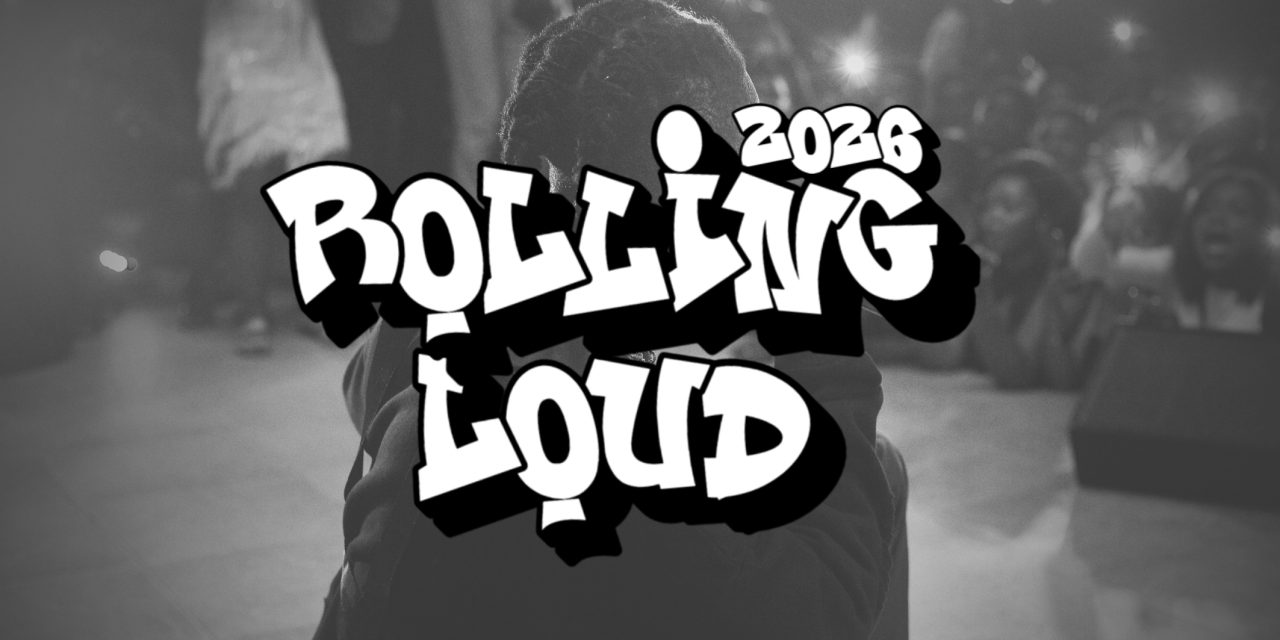
Events like Rolling Loud are no longer just performance opportunities for gospel rap artists. They have become major visibility accelerators capable of influencing label interest, streaming growth, playlist expansion, sponsorship conversations, and crossover potential across the wider music industry.
And honestly, once industry executives start standing side-stage during CHH sets instead of treating them like niche bookings, you know the landscape is changing.
Rolling Loud Put CHH in Front of a Different Audience
One of the biggest impacts of festivals like Rolling Loud is exposure.
Christian hip-hop artists are now performing in front of audiences that may never intentionally attend gospel-centered events or Christian music festivals. That changes perception immediately. Instead of being separated into entirely different music ecosystems, CHH artists now share stages, audiences, and conversations with mainstream rap culture directly.
That visibility creates opportunities impossible to ignore.
When executives from labels connected to companies like Interscope Records, Warner Music Group, or Universal Music Group witness crowd reactions in real time, CHH stops looking like a niche category and starts looking like an expanding commercial space.
The festival environment matters heavily because reactions cannot be filtered there. Either the crowd connects or it does not.
And increasingly, the crowds are connecting.
Festival Visibility Is Influencing Label Interest
Festival momentum has already played major roles in artist growth across hip-hop generally, and Christian hip-hop is now entering that same cycle.
Artists connected to labels like Reach Records and Capitol CMG have benefited from growing mainstream visibility as festival appearances continue expanding.
The industry pays attention to momentum.
When artists generate viral crowd moments, strong livestream engagement, social media clips, and festival buzz simultaneously, labels see potential beyond traditional Christian music markets. Festival stages now function almost like real-time auditions for broader crossover investment.
The success of artists like NF showed the industry that emotionally driven, faith-adjacent rap could perform strongly outside strictly gospel audiences. Meanwhile, artists like Lecrae and Andy Mineo helped normalize CHH presence within larger hip-hop conversations over time.
Rolling Loud simply amplified that visibility on an even larger scale.
Streaming and Playlist Growth Follow Festival Buzz
The impact does not end when the performance finishes.
Festival appearances often create immediate spikes in streaming activity, playlist additions, social media engagement, and artist discovery. Viral clips from performances spread quickly across TikTok, Instagram Reels, YouTube Shorts, and fan pages, introducing artists to entirely new audiences within hours.
That visibility feeds directly into streaming ecosystems.
Editorial playlists on platforms like Spotify increasingly blur genre boundaries, especially when artists demonstrate strong audience engagement during live performances. Festival buzz helps CHH artists move into broader rap, motivational, workout, and crossover playlists instead of remaining isolated only inside faith-based categories.
Metrics begin shifting too.
As streaming numbers rise and crossover engagement increases, gospel rap artists gain stronger positioning for chart growth, sponsorship opportunities, touring partnerships, and future bookings at even larger mainstream events.
The business side of CHH becomes harder for the industry to overlook.
CHH Is Entering a Different Era of Industry Recognition
The biggest shift may simply be legitimacy in wider industry spaces.
For years, Christian hip-hop often had to fight assumptions that it could not compete artistically, culturally, or commercially alongside mainstream rap. Festival appearances are helping dismantle those ideas publicly.
Crowd reactions matter. Viral moments matter. Cultural presence matters.
When thousands of people chant lyrics back during a CHH performance at a major rap festival, the conversation changes. Gospel rap stops looking like an isolated subgenre and starts looking like part of the larger hip-hop ecosystem.
That does not mean losing identity.
If anything, many CHH artists are proving they can maintain spiritual messaging while still commanding mainstream-level stages, production quality, and audience engagement.
And somewhere between the stage lights, bass drops, and festival crowds, gospel rap quietly stopped asking for permission to belong in the conversation.
Conclusion
Rolling Loud and similar major festivals are reshaping how the music industry views Christian hip-hop. Through expanded visibility, stronger streaming growth, increased label attention, and crossover audience engagement, CHH artists are entering spaces that once felt almost unreachable for gospel rap.
More importantly, these events are helping prove that faith-centered hip-hop can compete culturally and commercially on some of the biggest stages in modern music.
Because sometimes one festival performance can shift industry perception faster than years of online debate ever could.
Do you think major festivals like Rolling Loud are helping Christian hip-hop grow without losing its identity?Stay connected to DLK Urban Gospel and Christian Hip-Hop for more conversations exploring the culture, business, evolution, and future of modern gospel rap.