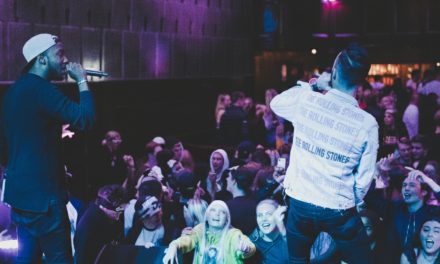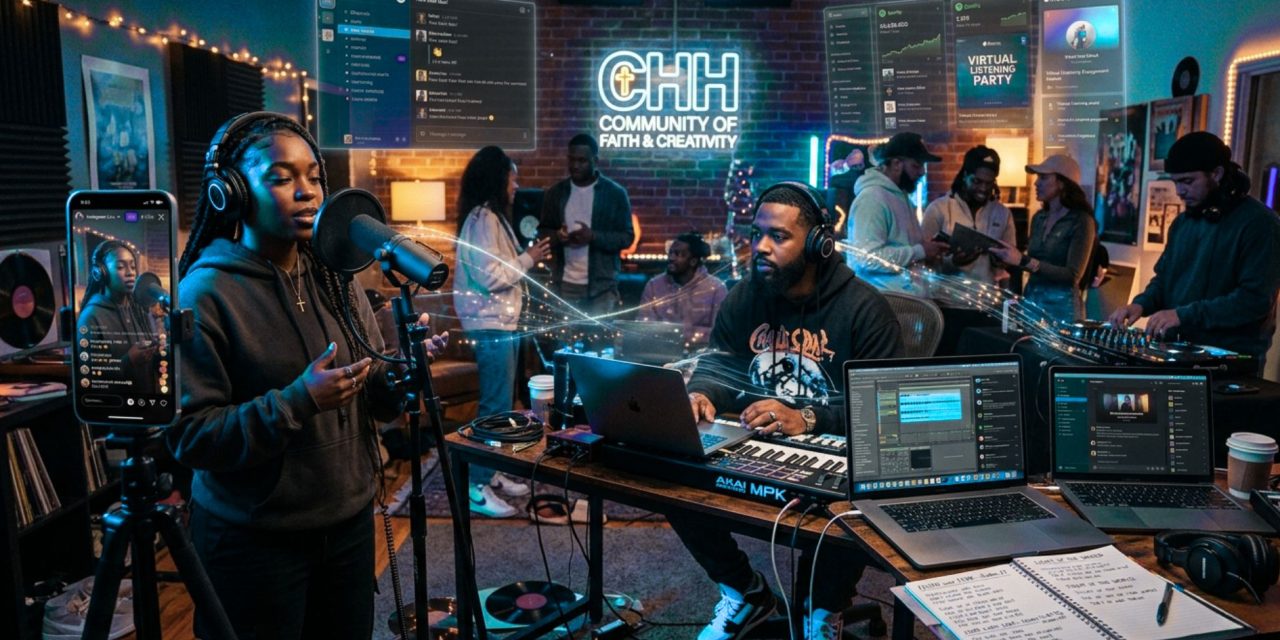
Christian hip-hop has never really been only about music. Long before livestreams, Discord servers, and viral reels existed, CHH communities were already forming through church events, youth groups, forums, and late-night conversations after concerts. The difference now is speed. Technology has turned those scattered connections into active digital spaces where artists, fans, producers, and creatives interact daily in real time.
Modern CHH communities no longer live only inside comment sections or Sunday events. They exist across servers, livestream chats, group spaces, analytics dashboards, and social platforms that help conversations continue long after the music stops.
And honestly, some Discord servers probably have more theological debates at 1am than entire youth camps used to manage over a whole weekend.
Platforms Helping CHH Communities Stay Connected
Different digital platforms now serve different roles inside Christian hip-hop culture.
Some spaces focus heavily on discussion and fellowship, while others work better for collaboration, livestream interaction, fan engagement, or content sharing. The strongest CHH communities usually combine several tools together rather than depending entirely on one platform.
Discord has become especially popular for younger CHH audiences because it allows artists and communities to create dedicated channels for music drops, prayer discussions, production feedback, livestream events, and fan interaction all in one space. Voice chats, live listening sessions, and community-based conversations help fans feel actively involved rather than simply consuming content passively.
Meanwhile, Slack works well for more organized creative teams, management groups, podcast communities, and collaborative CHH projects. Its integration with productivity tools helps artists coordinate releases, content schedules, outreach campaigns, and creative planning more efficiently.
Other platforms continue playing important roles too. Facebook Groups still help older gospel rap audiences stay connected through familiar interfaces, while Instagram broadcast channels and TikTok livestreams allow artists to maintain direct interaction with supporters in real time.
The platform matters less than the atmosphere being created inside it.
Communities grow strongest when people feel heard, involved, and emotionally connected to something larger than algorithms and content calendars.
Analytics Are Quietly Shaping CHH Engagement Too
Behind many growing CHH communities sits something less glamorous but incredibly important: analytics.
Modern engagement tools now help artists, ministries, creators, and brands understand what content actually resonates with audiences instead of relying purely on guesswork. Platforms like Google Analytics and Hootsuite allow creators to track audience behavior, engagement patterns, traffic sources, and community interaction trends across multiple platforms.
That information helps shape smarter content decisions.
For example, artists can identify which livestream clips hold attention longest, which posts generate the most meaningful conversations, or which music snippets lead to higher streaming activity. Community managers can also track growth patterns, monitor sentiment, and adjust outreach strategies based on actual audience behavior rather than assumptions.
The most valuable metrics often include:
- Engagement rates
- Session duration
- Audience retention
- Community growth
- Click-through activity
- Sentiment patterns
These insights help CHH creators understand not only what people watch, but what they genuinely connect with emotionally.
And somewhere between analytics dashboards and engagement reports, artists are realizing that fans usually respond more to authenticity than perfectly polished marketing anyway.
Technology Is Making CHH Communities Feel More Interactive
One major shift happening inside gospel rap culture is participation.
Fans no longer only stream songs and disappear. They now join livestreams, participate in listening sessions, contribute to discussions, submit creative ideas, react to previews, and help shape online culture around artists and movements they support.
That interaction creates stronger emotional investment.
A livestream Q&A, community prayer room, producer feedback session, or behind-the-scenes studio conversation often builds more loyalty than heavily produced promotional campaigns. Technology has made CHH communities feel far more personal, collaborative, and ongoing.
This also helps independent artists grow without depending entirely on major industry systems. Smaller creators can now build highly engaged niche audiences through consistency, authenticity, and community interaction rather than purely chasing mainstream visibility.
For gospel rap especially, that relational aspect matters heavily because the culture has always centered around testimony, encouragement, shared struggles, and spiritual connection.
Conclusion
Technology has transformed Christian hip-hop communities from scattered fanbases into highly connected digital ecosystems built around conversation, collaboration, and continuous engagement. Through platforms like Discord, Slack, Instagram, and analytics tools, CHH creators now have more ways than ever to build meaningful relationships with audiences beyond the music itself.
More importantly, these tools allow gospel rap culture to feel interactive instead of distant.
Because sometimes the strongest part of a music community is not even the song. It is the feeling that people are growing, creating, learning, and connecting together around it.
Which platform do you think currently builds the strongest CHH communities: Discord, Instagram, TikTok, YouTube, or something else entirely?
Stay connected to DLK Urban Gospel and Christian Hip-Hop for more conversations exploring the tech, culture, creativity, and community shaping modern gospel rap.