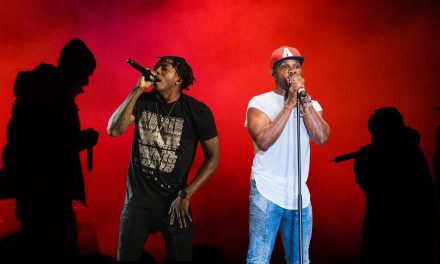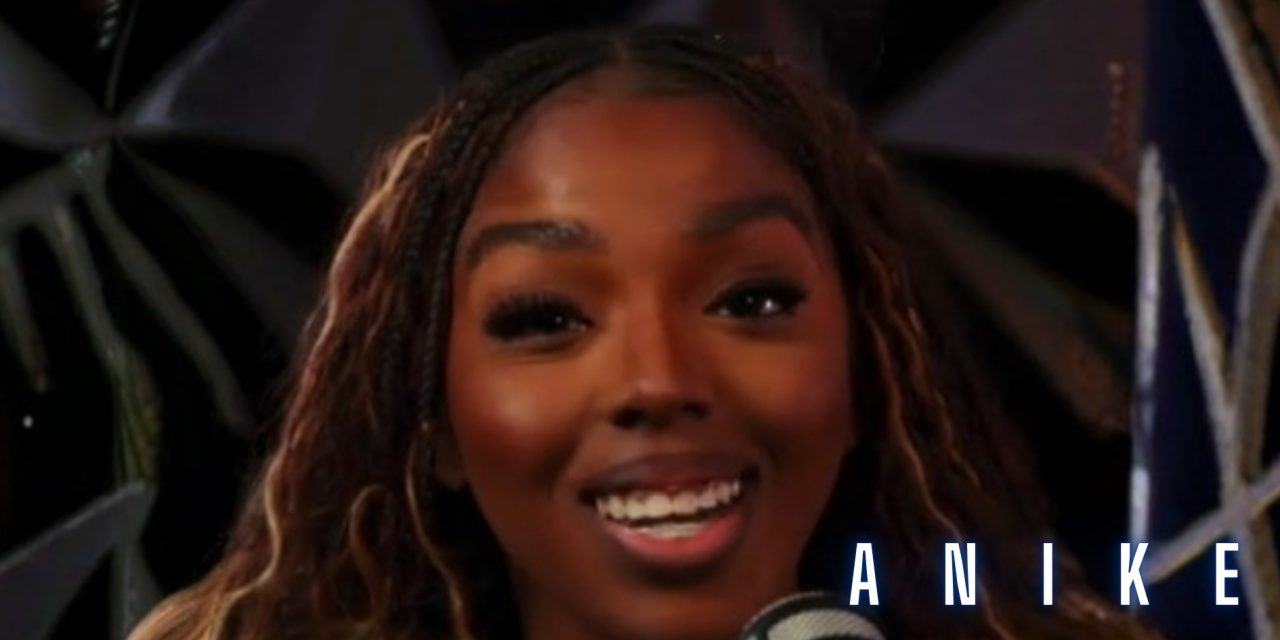
Some artists walk onstage and perform. Others make the entire room feel like something bigger is happening before the first hook even lands.
That is part of what keeps pushing Anike into deeper conversations across Christian rap right now. Her performances feel less like traditional concerts and more like a collision between hip-hop energy, testimony moments, and altar-call intensity. In a genre where stage presence matters just as much as lyrical impact, Anike has quickly built a reputation for commanding attention the second the lights drop.
As gospel rap continues evolving in 2026, artists who can translate faith, emotion, and crowd connection into live experiences are standing out fast. Anike’s rise reflects that shift clearly.
Live Performances and Stage Presence
Anike’s stage presence works because it feels intentional without becoming overproduced.
Her performances often begin in near-darkness before a single spotlight cuts through the room and she opens with raw acapella bars. That stripped-back entrance immediately changes the atmosphere and pulls crowds into the emotional weight of the performance before the full production even kicks in.
From there, the energy escalates quickly.
Rather than rushing through songs, she constantly interacts with the audience mid-set, pausing between verses, calling for responses, and inviting crowd participation that turns performances into shared moments instead of passive listening experiences. That approach gives her shows a revival-like atmosphere that blends hip-hop culture with testimony-driven ministry naturally.
Fans consistently point to the emotional intensity of her live sets as the reason they stay connected long after the show ends. Performances at major Christian events and festival appearances have amplified that momentum, especially among younger CHH audiences looking for artists who balance lyrical conviction with genuine stage charisma.
And honestly, when an entire crowd starts yelling back testimony lines louder than the actual speakers, you know the performance probably crossed into something deeper than entertainment.
Rising Fan Attention: What’s Driving It
Anike’s growing visibility has not come from one viral moment alone. It has come from consistent audience connection across streaming, church spaces, and social media.
Her Spotify monthly listeners reportedly jumped significantly between 2023 and 2024 as more churches, youth ministries, and Christian content creators began sharing her music organically. Instead of only living inside traditional CHH circles, her songs started appearing in sermon clips, testimony videos, TikTok edits, and youth conference recaps.
That crossover matters.
A major reason fans continue gravitating toward her music is because her delivery feels emotionally direct while still maintaining strong hip-hop energy. She leans heavily into testimony-centered writing, bold faith themes, and aggressive performance momentum without sounding forced or overly polished.
Her audience growth also reflects a larger trend happening inside gospel rap right now: listeners increasingly want authenticity, conviction, and emotional intensity rather than formulaic inspirational content.
Social Media Momentum
Short-form content has played a huge role in accelerating Anike’s visibility.
TikTok clips using her music gained traction through sermon edits, reaction videos, worship conference moments, and crowd-response clips from live performances. Instagram Reels and YouTube Shorts further expanded that reach by highlighting her stage energy, crowd interaction, and emotionally charged lyrics in digestible moments.
One of the strongest parts of her online growth strategy is that fans participate in the momentum themselves. Churches repost her lyrics, creators react to her bars, and audiences share live performance clips that feel emotionally powerful even through a phone screen.
That kind of organic engagement tends to build stronger loyalty than traditional promotion alone because listeners feel emotionally involved in the artist’s journey.
It also helps position Anike as one of the more distinctive voices currently pushing gospel rap toward wider cultural visibility without losing its spiritual center.
Conclusion
Anike’s rise is showing how powerful live performance still is inside modern CHH culture. Through emotionally charged stage presence, crowd interaction, testimony-driven lyrics, and strong social media momentum, she has built an identity that feels both spiritually grounded and culturally current.
Her concerts do more than entertain crowds. They create moments people talk about afterward.
And in an era where attention spans disappear quickly, that kind of emotional impact matters more than ever for gospel rap artists trying to leave a lasting mark.
Which part of an artist’s live performance keeps you most connected: crowd energy, storytelling, stage presence, or the emotional atmosphere of the show?
Keep following DLK Urban Gospel and Christian Hip-Hop for more CHH artist spotlights and conversations shaping the next generation of Christian hip-hop.