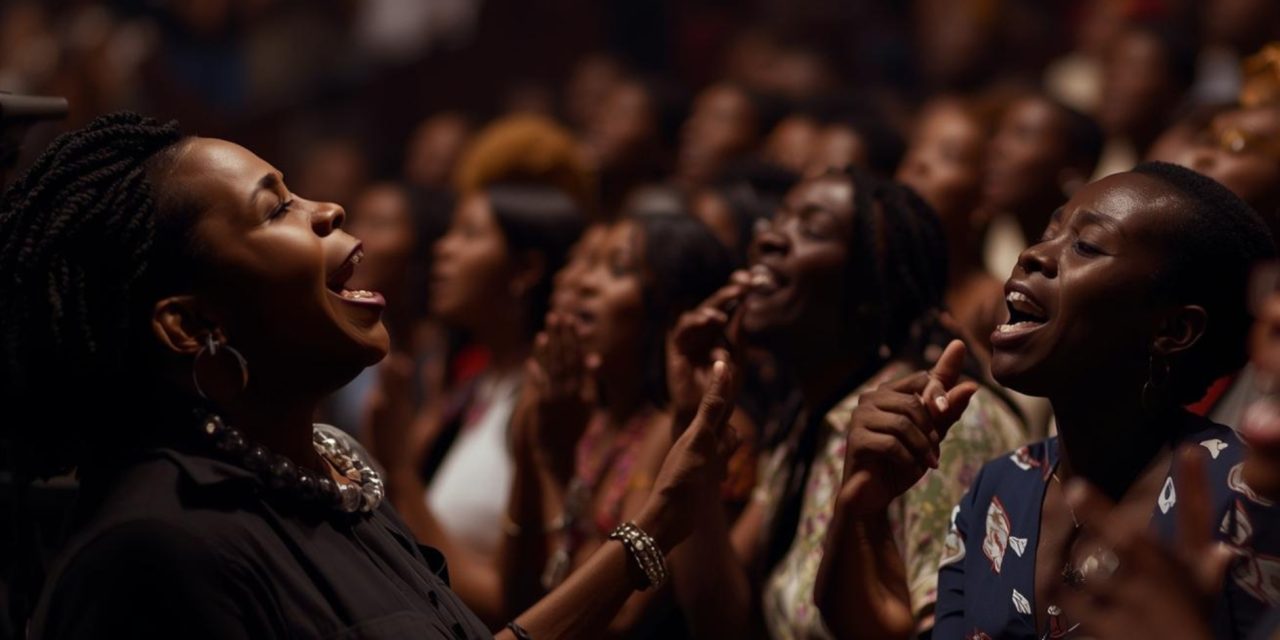
Every great gospel song has that one line people keep singing long after service ends. Sometimes it follows them to the parking lot. Sometimes into Monday. That is the power of a well-crafted hook.
Creating your own gospel hooks is not about catchy repetition alone. It requires honoring traditional gospel roots while shaping melodies that resonate with contemporary audiences. The goal is balance. You want authenticity without sounding dated, and innovation without losing spiritual depth.
This piece explores how to build compelling gospel hooks by integrating traditional elements and applying modern production techniques. When done well, your hook does more than sound good. It connects, unites, and reinforces the message at the heart of the song.
Incorporating Traditional Elements
Strong gospel hooks are rooted in tradition. The history of gospel music offers proven structures that naturally invite engagement and emotional response.
The call-and-response format remains one of the most effective tools for connection. When a soloist sings a line and the congregation responds with a repeated phrase, participation increases and the hook becomes communal rather than performative. That shared repetition builds unity and reinforces the message.
Soulful instrumentation also strengthens authenticity. Piano riffs, organ melodies, and warm chord progressions create emotional depth that prepares listeners to receive impactful lyrics. These sounds carry cultural memory and spiritual weight.
Digital tools can help refine these traditional foundations. GarageBand supports arrangement and layering, while DJ remixing techniques can subtly refresh familiar patterns. Apps like Worship Sound Pro assist with rehearsal and vocal precision.
When traditional structures and thoughtful production work together, the result is a hook that feels both timeless and alive.
Innovative Techniques for an Energetic and Upbeat Appeal
While tradition provides structure, innovation creates freshness. Modern production techniques can elevate gospel hooks without diluting their spiritual intent.
Layering vocals through harmonization adds depth and richness to your lyrics, making the hook feel full and immersive. Tools such as Antares Auto-Tune help refine pitch while maintaining expressive delivery.
You can enhance the main melody with ambient synths or pads using software like Serum or Omnisphere, building atmospheric soundscapes that expand the emotional tone. These layers give contemporary audiences a polished, dynamic listening experience.
Adding percussive elements introduces rhythmic energy that drives engagement. Subtle reverb and delay effects further amplify emotional resonance, allowing lyrics to linger and creating an atmosphere of praise and celebration.
By blending digital creativity with spiritual intentionality, your gospel hooks gain both sonic appeal and meaningful impact.
Conclusion
Crafting compelling gospel hooks requires more than musical skill. It demands awareness of tradition, sensitivity to audience engagement, and thoughtful use of modern tools.
When traditional elements like call-and-response meet innovative production techniques, the result is a hook that invites participation and sustains attention. The strongest gospel hooks do not merely repeat words. They reinforce truth, spark unity, and deepen worship.
What makes a gospel hook unforgettable in today’s worship culture? Join the conversation and keep refining your sound with insights that matter only at DLK Urban Gospel and Christian Hip Hop!