Back in the 90s, discovering gospel rap usually happened through church events, borrowed CDs, underground mixtapes, or somebody’s older cousin playing tracks after youth fellowship. The audience was passionate, but the reach was limited. By the early 2000s, internet forums, MP3 downloads, and MySpace pages started opening new doors for artists who wanted to spread their message beyond local communities.
Now in 2026, gospel rap exists in an entirely different world.
Technology has transformed how artists record, release, promote, and distribute their music. What once depended heavily on physical media and local ministry networks now moves globally through streaming platforms, social media, direct fan engagement, and independent digital distribution. Gospel rap no longer needs to wait for traditional gatekeepers to create impact.
And honestly, some artists can now reach more listeners from a home studio setup than entire regional labels managed two decades ago.
The Internet Opened New Doors for Gospel Rap Artists
The rise of the internet changed gospel rap permanently.
Before digital platforms became mainstream, many artists depended on churches, Christian bookstores, radio stations, or small independent labels to distribute their music. That often meant talented rappers struggled to grow outside local ministry circles.
Online platforms removed many of those barriers.
Artists could suddenly upload music directly, share testimonies instantly, build fan communities, and promote releases without waiting for major industry approval. Gospel rap became more accessible to listeners searching for faith-centered music online.
Artists like Lecrae and Trip Lee helped demonstrate how powerful this shift could become. Through YouTube videos, social media engagement, and streaming services, they connected directly with audiences while maintaining strong spiritual messaging.
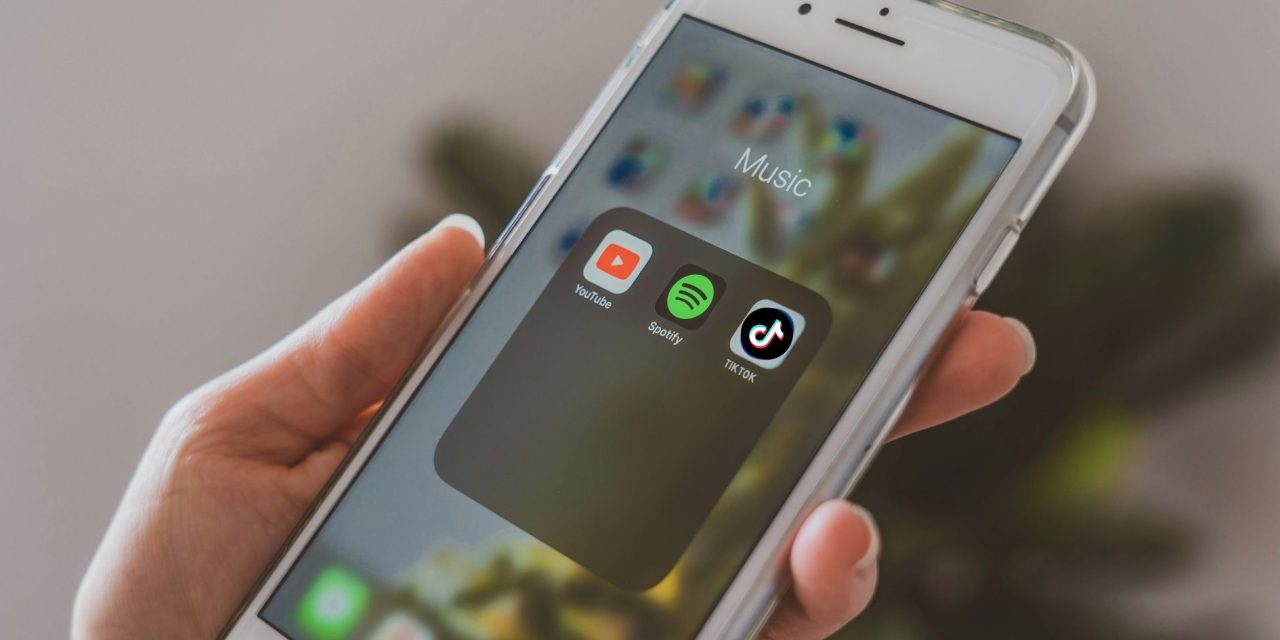
Different digital platforms began serving different purposes:
- YouTube expanded music video visibility
- Instagram strengthened artist connection
- Spotify increased listener discovery
- Bandcamp supported direct music sales
- TikTok amplified viral moments and snippets
This digital access allowed independent gospel rap artists to grow loyal audiences while retaining more creative and financial control over their music.
Streaming Services Made Gospel Rap More Accessible
Streaming platforms dramatically increased gospel rap accessibility.
In earlier decades, listeners often needed to intentionally search for Christian bookstores, niche radio stations, or church recommendations to discover gospel rap artists. Streaming services changed that by placing gospel rap alongside mainstream rap, R&B, trap, and melodic hip-hop playlists.
That visibility created huge opportunities for the genre.
Listeners who may never have actively searched for gospel rap could now discover songs naturally through playlists, recommendations, algorithm feeds, and social sharing. Streaming helped gospel rap move beyond strictly church-centered spaces into wider music conversations.
The growth became impossible to ignore.
Independent artists gained millions of streams while expanding beyond traditional gospel audiences. Artists like NF reached mainstream listeners through emotionally honest music that connected far outside faith-based circles.
Streaming also strengthened artist income opportunities through:
- Concert promotion
- Merchandise sales
- Playlist exposure
- Social media growth
- Independent releases
- Direct fan engagement
For many gospel rap artists, technology transformed music ministry into sustainable long-term careers.
Social Media Helped Build Stronger Fan Communities
Technology did more than distribute music. It created connection.
Social media gave gospel rap artists opportunities to interact directly with listeners in ways older generations never experienced. Fans could now see behind-the-scenes studio sessions, hear personal testimonies, watch livestreams, and participate in conversations about faith, creativity, and culture in real time.
That personal accessibility strengthened loyalty.
Instead of only hearing polished songs, listeners now connected with artists as real people navigating purpose, struggles, family, growth, and spirituality. For a genre built heavily around testimony and authenticity, that emotional closeness became especially important.
Online communities also helped gospel rap feel less isolated.
Artists from different cities and countries could collaborate remotely, support each other publicly, and grow movements together through shared digital spaces. Gospel rap evolved from local scenes into a much broader global community connected through technology.
And somewhere along the way, shaky Instagram Lives and unfinished studio snippets became part of the culture too.
Conclusion
Technology transformed gospel rap from a largely localized movement into a globally connected genre powered by streaming, social media, digital production, and independent distribution. What started through CDs, church events, and underground mixtapes in the 90s evolved into a worldwide movement capable of reaching listeners instantly across multiple platforms.
More importantly, technology helped gospel rap artists share their message with greater accessibility, creativity, and personal connection than ever before.
Because sometimes one late-night playlist recommendation or one viral clip is enough to introduce somebody to a song — and a message — exactly when they need it most.
Which technological shift do you think impacted gospel rap the most: streaming platforms, social media, home studios, or independent online distribution? Stay connected to DLK Urban Gospel and Christian Hip-Hop for more conversations exploring the culture, evolution, creativity, and future of gospel rap.