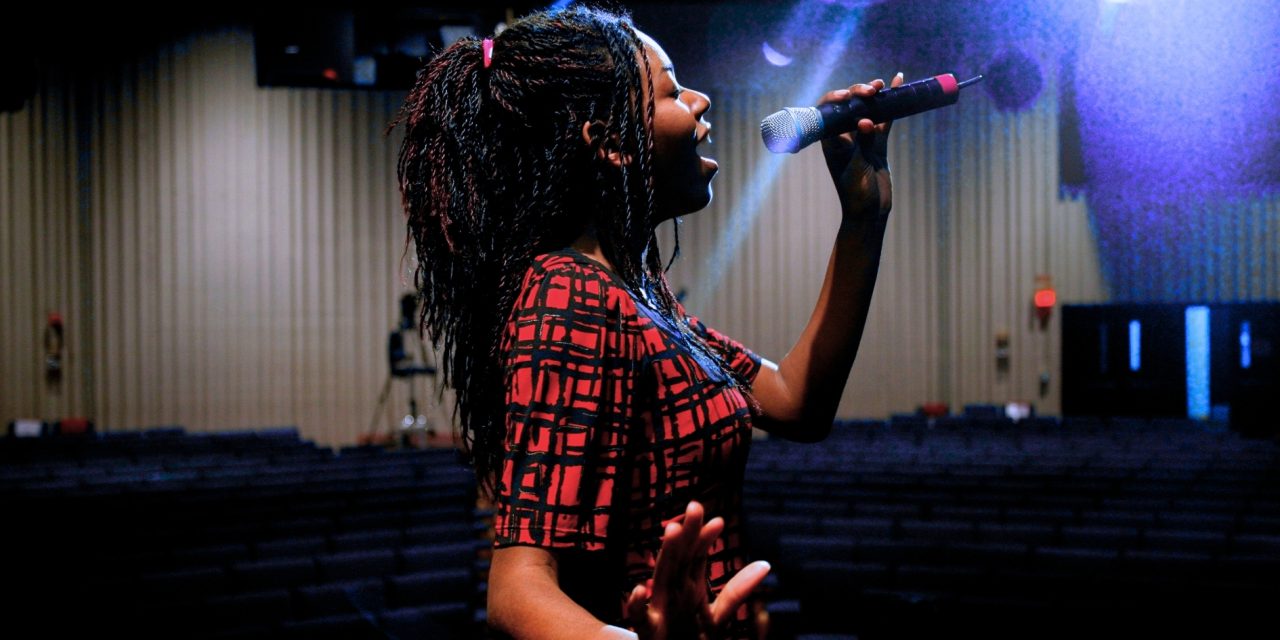
If your feed has been full of short clips from gospel or CHH tracks lately, pay attention to what people are actually reacting to. It is not always the drop. It is the vocal moment. The line that hits, the tone that sticks, the part everyone rewinds.
That is exactly where the future is heading. Female voices are driving a more vocal-led, emotion-first sound, and it is changing how these genres connect with listeners, especially in a scroll, replay, and share kind of culture.
Emerging Directions and Creative Shifts
Artists like Jekalyn Carr and the late Mandisa point toward a future where genre boundaries continue to blur. Their music reflects a growing comfort with blending traditional gospel elements with modern urban production, creating a sound that feels both grounded and forward-looking.
Collaborations will likely play an even bigger role. This is seen in moments where Carr connects with Lecrae, opening pathways between gospel and hip-hop audiences.
At the same time, artists such as Koryn Hawthorne signal a shift toward more stylistic experimentation. The increasing use of R&B textures, trap rhythms, and digital-first releases suggests that future sounds will be more fluid and less confined to traditional labels. Platforms like TikTok are also shaping this direction, not just as promotional tools, but as spaces where new sounds are tested, refined, and amplified quickly.
Growth, Access, and Industry Direction
Looking ahead, the expansion of female voices in these genres will depend heavily on access and intentional support. Rising streaming numbers already indicate stronger audience demand, suggesting that listeners are ready for more representation. The next phase will likely involve more strategic promotion, where labels and producers actively position female artists at the center of releases, tours, and collaborations.
Digital platforms such as Instagram and TikTok will continue to influence visibility, especially when used to build direct audience relationships. Beyond online presence, curated events and female-led showcases could become more common, reinforcing community support and creating consistent exposure. If these trends continue, the future will not just include female voices. It will rely on them to drive innovation and audience connection.
Conclusion
The future of female voices in Urban Gospel and Christian Hip-Hop is not a distant idea. It is already unfolding through evolving sounds, strategic collaborations, and shifting audience expectations.
What comes next is a more connected and dynamic space, where these artists influence both creative direction and cultural reach. The momentum is real, and with the right support, it has the potential to redefine the genres in lasting ways.
Which direction do you think female artists will push Urban Gospel and CHH toward next?
Let us know in the comments and stay tuned to the voices shaping what comes next on DLK Urban Gospel and Christian Hip-Hop!