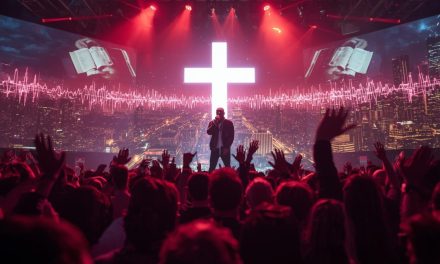
Ever notice how a good beat can make even scripture feel like it belongs on a playlist? That’s the power of rhythm in Urban Gospel.
Here, spoken word and musicality collide, turning sermons into soundtracks and worship into movement. It’s more than background music—it’s the heartbeat that carries messages of faith, making them unforgettable, relatable, and, yes, even a little danceable.
Musical Elements and Their Significance
Urban Gospel thrives on rhythm, and its core elements—syncopation, bass lines, and percussion—turn spiritual messages into living, moving soundscapes. Syncopation surprises the ear, layering beats that demand attention and reflect the unexpected ways faith works in daily life. Strong bass lines provide grounding, giving worship an undeniable groove that keeps both head and heart engaged.
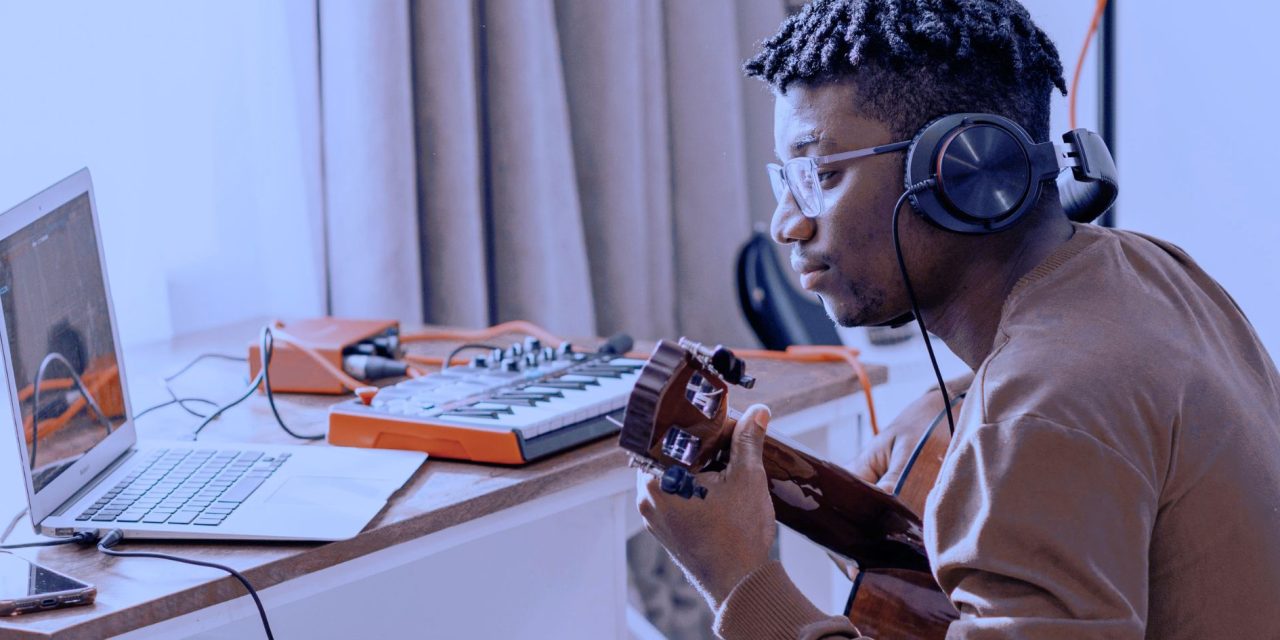
Percussive beats add drive, building intensity that inspires movement, whether it’s clapping in unison or dancing in celebration. For aspiring musicians, digital tools like Ableton Live and Logic Pro offer ways to experiment with these layers. This opens space to create music that is spiritually resonant and stylistically current. The result is a sound that’s rooted in tradition yet alive with fresh energy.
Integration of Contemporary Sounds
Modern Urban Gospel often borrows from genres like R&B and trap, meeting listeners where they already are musically. Lecrae demonstrates this with tracks such as Blessings, weaving hip-hop rhythms with gospel truths, producing songs that connect especially with younger audiences.
Tasha Cobbs Leonard shows another side of the blend in Put a Praise on It, where R&B sensibilities frame her powerful vocal delivery. Behind the scenes, producers like J. Moss and Timbaland help shape these sounds, bridging the gap between urban beats and gospel messages. This blending reflects both cultural trends and the enduring need for faith-driven artistry to evolve.
Conclusion
Urban Gospel proves that rhythm can be both sacred and stylish. By combining traditional lyrical depth with modern beats, the genre captures audiences in ways that feel timeless yet fresh. Spoken word elements thrive when carried on rhythms that are dynamic, engaging, and deeply spiritual, creating worship that moves beyond words.So, how will rhythm and beat continue to reshape the spoken word within gospel music? Keep exploring at DLK Urban Gospel and Christian Hip-Hop.