Christian hip-hop has changed a lot over the years. The beats are bigger, the production is cleaner, and today’s artists can reach millions with a single post. Yet beneath the 808s, viral hooks, and streaming playlists lies the same mission that fueled the genre’s earliest pioneers: sharing the Gospel through hip-hop.
From cassette tapes sold door-to-door to songs generating millions of streams worldwide, CHH has continuously adapted to new sounds while holding onto its core message of faith, redemption, and testimony.
The Evolution of Gospel Rap
The roots of Christian hip-hop stretch back to the 1980s, when pioneers like Stephen Wiley and DJ Maj helped establish the genre. Early gospel rap leaned heavily on boom bap production, placing the spotlight on lyrical testimony rather than polished sound.
As the genre matured, artists began experimenting with new styles. By the mid-1990s, T-Bone introduced G-Funk influences, blending smoother grooves with gospel-centered messages. The arrival of Reach Records in 2004 further elevated production quality and helped position Christian hip-hop for wider recognition.
A major turning point came when Lecrae achieved mainstream success, proving that faith-driven rap could compete on major charts without abandoning its message.
| Era | Key Milestone | Sound Shift |
| 1980s | DJ Maj boom bap | Raw beats, testimony focus |
| 1995 | T-Bone’s G-Funk gospel | Funk grooves, polish emerges |
| 2004 | Reach Records birth | Label-backed production |
| 2012 | Lecrae #1 Billboard | Mainstream crossover |
| 2020 | Trap gospel explosion | 808s, viral hooks |
The trap gospel era accelerated this evolution. Auto-Tune, social media, streaming platforms, and short-form content transformed how artists created and distributed music. While the sound changed dramatically, personal testimony remained at the center of the genre.
Lecrae’s Blueprint for Balancing Message and Mainstream Appeal
Few artists have influenced Christian hip-hop’s growth more than Lecrae. His album Gravity became a landmark release by combining high-quality production with unapologetic biblical conviction.
Rather than separating faith from culture, Lecrae built songs that addressed both. His music explored personal testimony, social issues, and spiritual truth while maintaining the production standards expected in mainstream hip-hop.
Several factors contributed to his success:
- Working with skilled producers to elevate sound quality.
- Blending personal faith stories with cultural commentary.
- Creating music that connected with both Christian and secular audiences.
- Embracing new platforms to expand reach and engagement.
His later releases continued this momentum, demonstrating that Christian artists could achieve commercial success without sacrificing authenticity. For many emerging rappers, Lecrae remains a model for balancing ministry and musical excellence.
NF and the Rise of Emotional Replay Value
While Lecrae helped establish mainstream credibility, NF showed how vulnerability could drive massive listener engagement.
Albums like The Search resonated because they combined cinematic production with deeply personal storytelling. Rather than relying primarily on overt preaching, NF invited listeners into conversations about pain, anxiety, purpose, and personal struggle.
His approach helped create remarkable replay value. Fans returned to the music not only because of the production, but because of the emotional connection.
Several elements define NF’s style:
- Cinematic instrumentals and polished production.
- Melodic hooks that remain memorable.
- Honest storytelling rooted in personal experiences.
- Themes of struggle, healing, and perseverance.
His success demonstrated that testimony can take many forms. While his style differs from Lecrae’s, both artists have shown that authenticity remains one of the most powerful tools in Christian hip-hop.
Conclusion
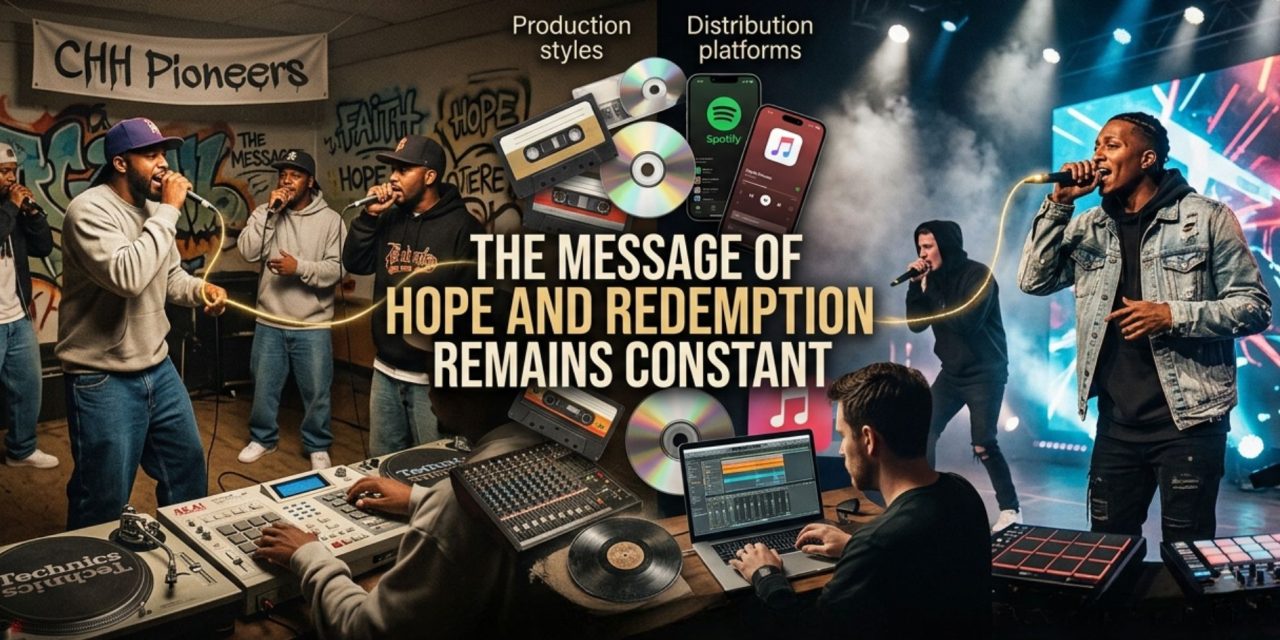
The journey from boom bap pioneers to today’s trap-influenced artists reveals a genre that has consistently evolved while staying rooted in its purpose. Production styles, distribution platforms, and listener habits have changed, but the message of hope and redemption remains constant.
Whether through Lecrae’s balance of faith and cultural engagement or NF’s emotionally driven storytelling, Christian hip-hop continues to find new ways to connect with listeners. The sound may evolve, but the mission remains the same.
Which era of Christian hip-hop do you think had the greatest impact on the genre’s growth and influence?Join the conversation in the comments, and keep exploring the artists, trends, and stories shaping gospel rap with DLK Urban Gospel and Christian Hip-Hop!