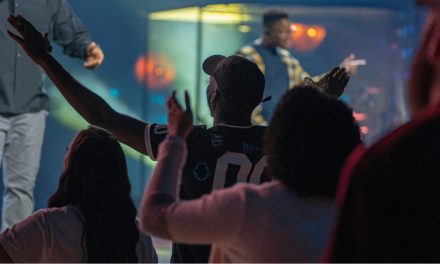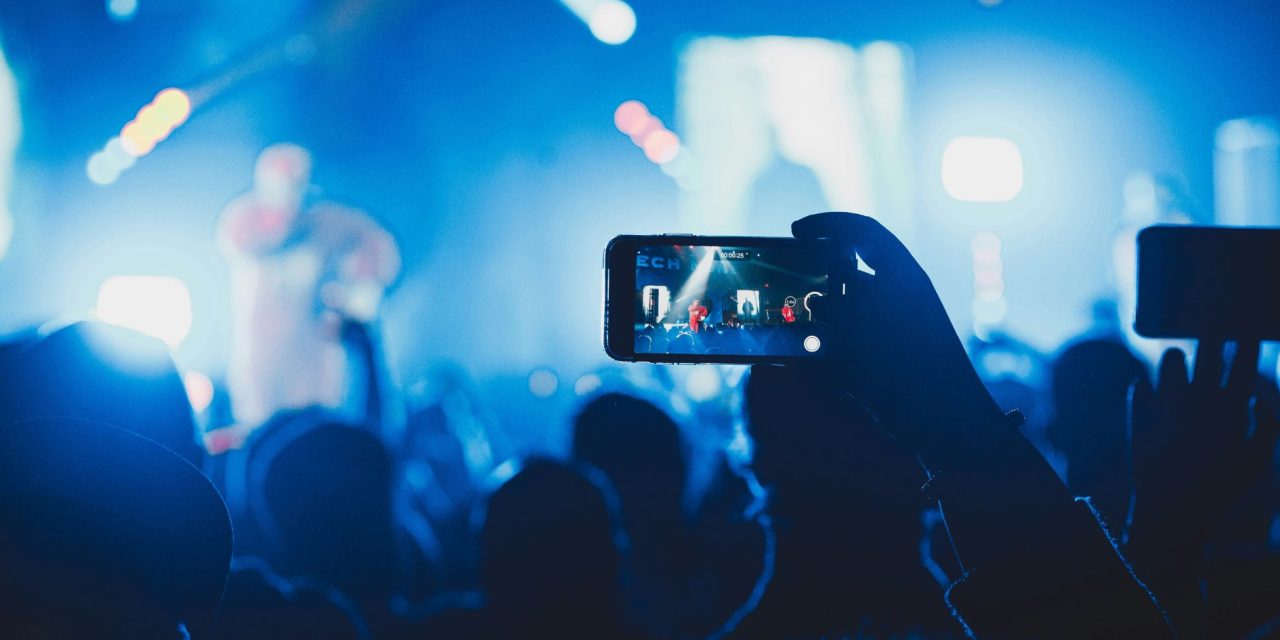
The performance ends, but nobody in the crowd seems ready to leave. Someone is still singing, another person is recording, and a third has already posted the moment.
By the time the artist steps offstage, the performance has started travelling. A clip appears on TikTok, reactions spread across Instagram, and unfamiliar listeners begin asking who just performed.
That is how a live music moment can develop a second life online. The crowd experiences it together, but social media allows the experience to reach people who were nowhere near the stage.
Christian Hip Hop has already seen how a song can move beyond its original audience. Andy Mineo and Lecrae’s “Coming In Hot,” for example, gained significant attention through social media years after its initial release.
The ripple effect is not simply about views. It can introduce new listeners to artists, encourage streaming, generate conversations, and create opportunities for deeper engagement.
From Festival Stage to Phone Screen
A festival performance does not end when the final beat drops. The audience continues documenting the experience through short videos, photographs, reactions, and personal commentary.
One person might capture an energetic performance. Another records the crowd singing along. Someone else shares a memorable lyric or describes how the song made them feel.
These different perspectives give the performance several possible entry points. A polished stage recording may attract music fans, while an unplanned audience reaction can feel more personal.
The most effective clips often communicate something quickly. They might capture an impressive delivery, an unexpected moment, a powerful hook, or an interaction between the artist and the crowd.
However, not every clip becomes viral. Reach depends on timing, platform algorithms, audience interest, sharing behaviour, and the strength of the content itself.
For Christian rap artists, the opportunity lies in making the moment worth sharing without manufacturing every reaction.
How the Ripple Moves Across Platforms
Each platform offers a different way for audiences to encounter a performance.
TikTok can turn a short musical moment into a reusable sound or a widely shared clip. Instagram can extend the experience through Reels, Stories, and audience reactions.
X, formerly known as Twitter, may encourage longer conversations about lyrics, cultural identity, and the place of Christian music within broader hip hop spaces.
The movement often follows a familiar pattern:
- Discovery: Someone encounters a performance clip.
- Reaction: Viewers comment, share, remix, or create their own content.
- Curiosity: New listeners search for the artist or song.
- Engagement: They stream the track, follow the artist, or explore earlier releases.
- Connection: Some listeners continue through interviews, live events, testimonies, or community content.
This process does not happen at the same speed for every artist. A single clip may generate attention without producing sustained listening.
The important question is what happens after the first wave of views disappears.
Illustrative Platform Timeline
The following table presents a planning framework, not verified performance data from a specific festival.
| Platform | Possible Early Activity | Audience Response | Next Opportunity |
| TikTok | Performance clips and short reactions | Shares, remixes, and comments | Direct viewers toward the full song |
| Reels, Stories, and backstage content | Saves, replies, and profile visits | Build familiarity through regular updates | |
| X | Live reactions and lyric discussions | Threads, debates, and reposts | Join conversations without becoming defensive |
| YouTube | Performance uploads and interviews | Watch time and subscriptions | Offer longer-form artist content |
This timeline helps artists think beyond a single upload. The same performance can create different conversations depending on how each platform presents it.
Streaming growth should be measured using actual platform analytics. Without verified data, specific increases in streams, followers, or mentions should not be treated as established results.
Industry and Media Response
Online attention can influence how the wider music industry notices an artist. A performance that reaches new listeners may lead to interviews, playlist consideration, booking opportunities, or conversations with labels.
That attention does not automatically guarantee mainstream acceptance. Christian Hip Hop continues to navigate questions about genre identity, commercial expectations, artistic freedom, and explicit faith expression.
Lecrae’s career illustrates some of these tensions. His mainstream success brought new audiences while also prompting debates about whether Christian artists could engage wider hip hop culture without compromising their convictions.
Artists and audiences may interpret crossover differently. Some view broader exposure as an opportunity for testimony. Others worry that commercial pressure could influence lyrical choices or artistic direction.
Neither response should be assumed for every artist. Each performer has to determine how to approach new platforms, audiences, and professional opportunities.
Different Perspectives on Crossover
| Sector | Potential Opportunity | Possible Concern |
| Media | Greater visibility for Christian rap artists | Coverage may focus on controversy rather than music |
| Labels | Increased interest in emerging talent | Commercial expectations may influence creative decisions |
| Artists | New audiences and professional opportunities | Maintaining artistic and spiritual identity |
| Listeners | More access to diverse faith-based music | Confusion about genre labels and expectations |
The conversation becomes more meaningful when the music receives attention alongside the artist’s actual work. Viral visibility may open the door, but consistency determines whether people remain interested.
Turning Attention into Lasting Engagement
A viral clip can introduce an artist to thousands of new listeners. Keeping those listeners requires more than reposting the same moment repeatedly.
Artists can prepare their platforms before a major performance. Clear profiles, accessible music links, consistent branding, and useful artist information make it easier for new listeners to continue exploring.
Behind-the-scenes content can also add context. Rehearsals, songwriting stories, production details, and honest reflections help audiences understand the person behind the performance.
After the event, artists can maintain the conversation through:
- Short reflections about the performance
- Responses to meaningful audience questions
- Live sessions or interviews
- Links to full songs and projects
- Personal stories connected to the music
- Follow-up content that expands on the original message
The aim is not to turn every interaction into a sales pitch or a sermon. It is to create a genuine path from curiosity to continued interest.
Andy Mineo’s approach to fan engagement offers a useful example. His past promotional work included behind-the-scenes videos, audience participation, and creative social media activities surrounding his music.
For Christian rappers, this follow-up can also create space for testimony. A performance may attract attention, but a thoughtful conversation can help listeners understand the faith behind the lyrics.
Conclusion
Social media has changed what happens after a performance. A song can leave the venue through hundreds of phones, reaching listeners who may never have searched for Christian Hip Hop themselves.
The strongest ripple effects combine compelling music with intentional follow-up. Artists need more than attention; they need ways to turn temporary curiosity into meaningful listening and lasting connection.
Viral moments cannot be guaranteed, and numbers alone cannot measure spiritual impact. Still, every shared clip can create an opportunity for someone to discover a new artist, a new sound, or a message they were not expecting.
Ever felt a beat move you before you even caught the lyrics? DLK Urban Gospel and Christian Hip-Hop explores how rhythm, faith, and modern sounds come together to create music that stays with you.