Before many gospel musicians ever set foot in a professional studio, they have already spent years learning music in church.
Choir rehearsals can happen several nights a week, with revival seasons adding even more practice. Sunday services provide another opportunity to perform, adapt, listen, and respond in real time.
The Black Church becomes more than a place to sing. It becomes a musical training ground that helps shape the instincts behind modern urban gospel production.
Traditional Worship Repertoire and Harmonic Foundations
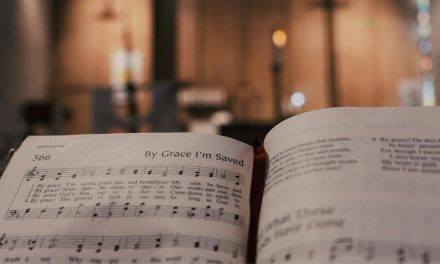
Traditional worship music gives musicians a strong foundation in harmony, melody, and lyrical repetition.
If you grew up singing “Blessed Assurance,” you already know the movement from one chord to the four, the five, and back home. “What a Friend We Have in Jesus“ offers another familiar example.
By adulthood, a singer may have repeated entire verses dozens of times. That repetition creates musical muscle memory that becomes valuable when writing hooks and melodies for urban gospel tracks.
It can also influence lyric theology. Words repeated in church for years can carry additional weight when they eventually become hooks, verses, or vocal phrases.
The meaning is not entirely new. The songwriter is building on language that has already lived inside them.
Altar calls provide another form of musical education. Players learn to navigate quick modulations, including half-step, whole-step, minor-third, and fourth movements.
These changes often happen while hundreds of voices wait for the next chord. Musicians learn to make those transitions confidently because they have experienced them repeatedly under live pressure.
That foundation continues to influence urban gospel production today. Familiar gospel harmony can sit beneath modern drums, synths, basslines, and vocal arrangements without losing its original character.
Improvisational Skills Developed in Live Services
Church services teach musicians to make decisions quickly. A praise break can stretch for eight to twelve bars while the energy continues building.
The tempo can shift without warning. The organ and drums must respond together, often without a click track or second take.
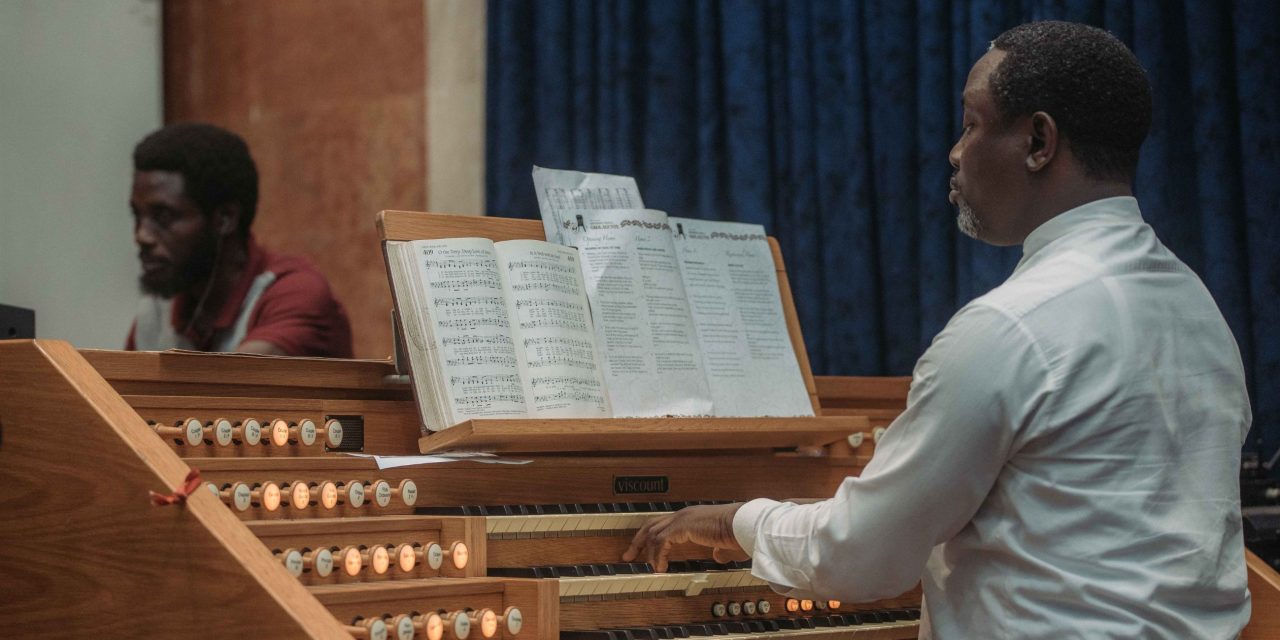
Call-and-response between the organ and choir sharpens those instincts even further. The organist throws out a short musical phrase, and the choir responds on the next chord.
Eventually, that exchange becomes almost automatic. The same reflex can become valuable during studio sessions when singers need to respond naturally to instrumental cues.
Church also creates a space where improvisation becomes part of performance rather than an occasional accident.
An ad-lib that begins as a spontaneous “yeah, Lord” during a vamp can become the most memorable part of a recording. A shout after a modulation might even become a hook or vocal layer.
These moments show how live worship can generate ideas that later find a home in recorded music.
Leadership Roles: Choir Directors and Organists
Choir directors and organists develop another essential skill: leading people while listening to everything happening around them.
A director may need to cue 30 to 60 singers while communicating with the live band. A single gesture can signal a transition, dynamic change, or return to a familiar section.
The director’s hands become another form of musical language.
Organists develop equally detailed instincts. They learn when to pull back and when to push the Leslie speaker into motion.
A quick adjustment can change the atmosphere of an entire room without interrupting the song.
Rehearsals also build discipline. Groups may begin around ninety minutes before doors open, focusing on difficult transitions and tightening the set.
The director counts everyone in, musicians work through problem areas, and the set eventually begins flowing naturally.
By the time the service starts, much of the preparation has already happened through repetition and real-time correction.
That combination of discipline, improvisation, listening, and leadership helps explain why the Black Church remains such a powerful foundation for urban gospel production.
Conclusion
The Black Church teaches musicians far more than how to sing a hymn or play an organ. It teaches them how to listen, respond, lead, improvise, and perform when there is no opportunity for a second take.
Those skills can follow artists far beyond Sunday morning. They can shape studio sessions, songwriting, live performances, and entire musical careers.
The next time you hear a gospel vocalist effortlessly stack harmonies or an organist turn a simple progression into a full-blown moment, remember: that skill may have been years in the making.
Ever watched a church musician turn a simple song into a completely different experience and thought, “Okay, how did they just do that?”
DLK Urban Gospel and Christian Hip Hop explores the artists, traditions, and musical influences behind those moments—and the church roots shaping urban gospel today.