For years, many Christian rappers believed boldness meant always sounding ready for battle. Every verse had to defend the faith, challenge culture, or prove spiritual seriousness at full volume. But over time, some of the most powerful moments in Christian Hip-Hop stopped sounding defensive altogether.
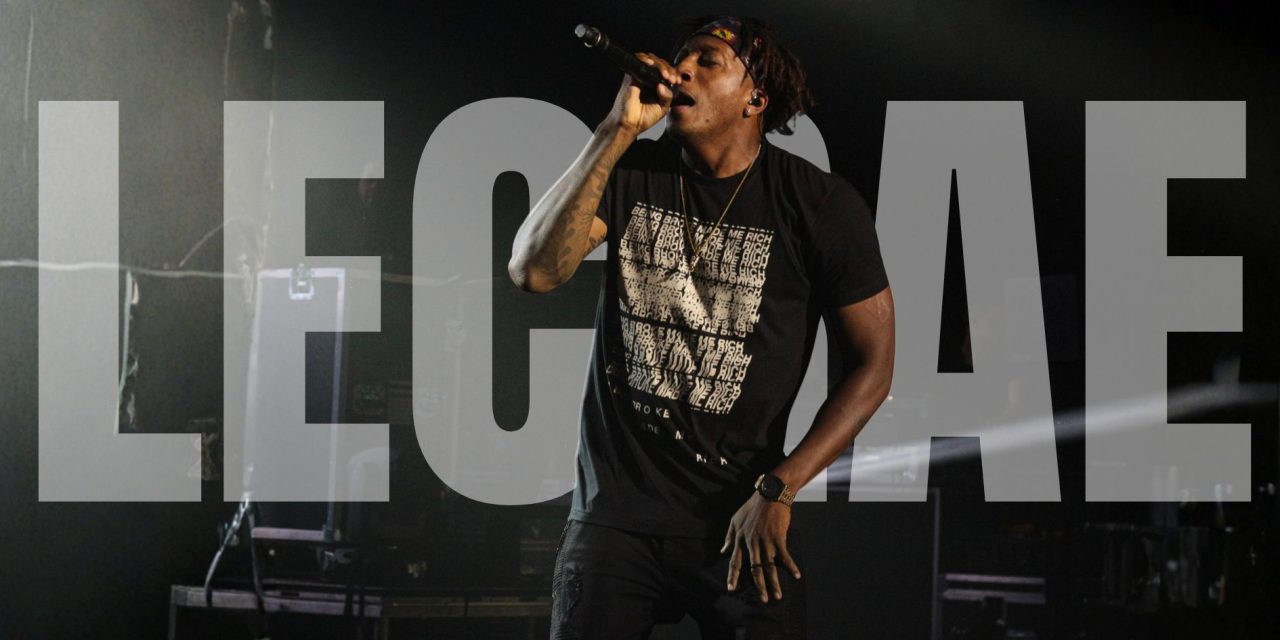
That shift became especially visible through Lecrae. Instead of abandoning conviction, he reshaped how conviction sounded. His music gradually moved from confrontation-heavy writing toward something more personal, honest, and emotionally grounded — and listeners connected with it even more deeply because of that change.
Lecrae’s Growth Changed the Tone of Christian Hip-Hop
Earlier records often carried a sharper edge, especially in tracks focused on defending faith against culture. Songs like Don’t Waste Your Life reflected the urgency and intensity that defined much of early Christian rap during that era.
Later projects began sounding different. The confidence remained, but the tone softened emotionally. Instead of speaking only to listeners, Lecrae increasingly spoke about himself too — his doubts, struggles, pride, failures, and dependence on God.
That evolution became one of the most important shifts in modern Christian Hip-Hop because it proved vulnerability could actually strengthen boldness rather than weaken it.
A simple way to understand the progression looks like this:
| Phase | Focus | Style |
| Early Years | Confrontation | Defensive and culture-focused |
| Transitional Era | Vulnerability | Honest reflection and confession |
| Mature Approach | Bold Vulnerability | Conviction balanced with humility |
This balance helped his music reach beyond traditional CHH audiences while still maintaining clear gospel-centered themes.
Vulnerability Made the Message More Relatable
One of Lecrae’s strongest writing habits became his ability to balance critique with self-reflection.
Instead of only pointing outward at culture, he often paired criticism with personal admissions. That shift changed the emotional feel of his music completely because listeners no longer felt preached at from a distance.
Several patterns appear repeatedly in his writing:
- Critiquing culture while admitting personal struggles
- Turning second verses into testimonies instead of arguments
- Using humility in hooks instead of superiority
- Allowing confession to sit beside conviction naturally
Tracks like All I Need Is You work especially well because the honesty feels human first before becoming instructional. That emotional openness builds trust with listeners in ways confrontation alone rarely can.
It also explains why Lecrae’s music connected with both church audiences and people outside Christian spaces. Vulnerability made the message feel lived-in instead of performative.
Boldness Sounds Different When It Comes From Grace
One of the biggest lessons from Lecrae’s evolution is that spiritual confidence does not always need aggressive delivery to feel powerful.
Sometimes the strongest testimony is simply honesty.
Christian Hip-Hop becomes far more compelling when artists sound like people still actively walking with God rather than people pretending they have already mastered everything spiritually. That tension creates relatability, emotional depth, and credibility all at once.
Lecrae’s influence helped open the door for more emotionally transparent writing throughout Christian rap, especially among younger artists navigating faith publicly in complicated cultural spaces.
Conclusion
Lecrae’s journey showed that vulnerability and conviction are not opposites in Christian Hip-Hop. In many ways, vulnerability became the very thing that made his boldness believable.
His music proved listeners respond deeply when faith sounds honest, reflective, and lived through real struggle instead of constant performance.
Which Lecrae song first made you realize Christian rap could be both spiritually bold and emotionally honest at the same time?
For more conversations on Christian Hip-Hop, gospel-centered artistry, and the evolving voices shaping faith-based rap culture today, keep following DLK Urban Gospel and Christian Hip-Hop.