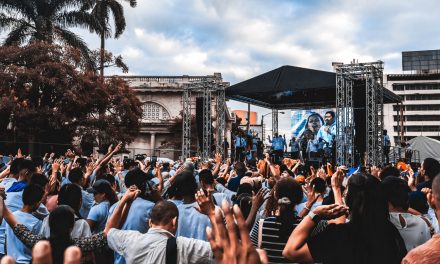
Gospel rap stands out for how it intentionally weaves together spiritual truth and real-world experiences.
Rather than separating faith from everyday life, the genre brings them into conversation. Its lyricism reflects both devotion and awareness, capturing the realities of modern society while staying rooted in a clear spiritual foundation. This balance is what gives gospel rap its depth—it doesn’t just inspire, it also speaks into what people are actually facing.
Balancing Spirituality with Secular Influence
A defining feature of gospel rap is how it navigates the space between faith-based messaging and mainstream sound.
Artists often draw from the style and structure of contemporary hip-hop, but use that framework to communicate spiritual themes. This allows the music to feel familiar while still carrying a message that is distinct and purposeful.
For example, Lecrae demonstrates this balance in songs like “Blessings,” where an accessible, modern sound is paired with themes of gratitude and divine provision. The production may align with mainstream trends, but the message remains clearly grounded in faith.
Similarly, NF brings a different dimension through emotional honesty. In tracks like “Let You Down,” he explores personal struggles and internal conflict, while still touching on deeper themes like forgiveness, growth, and hope. Even when the sound leans toward pop-rap, the themes remain reflective and meaningful.
Through this blend, gospel rap shows that spirituality doesn’t have to exist outside modern culture—it can be expressed within it, without losing its authenticity.
Addressing Social Issues Through Thematic Depth
Beyond personal faith, gospel rap also engages directly with social issues, making its themes both relevant and impactful.
Artists use their lyrics to highlight challenges such as inequality, pressure, and mental health, positioning the genre as more than just music—it becomes a platform for awareness and reflection. This thematic depth allows listeners to see how faith connects to broader societal realities.
For instance, Lecrae has addressed topics like systemic injustice in his music, encouraging listeners to confront difficult truths while remaining anchored in faith. His work reflects a commitment to both spiritual growth and social consciousness.
In a similar way, NF focuses on internal struggles that resonate widely, particularly around mental health and personal pressure. These themes extend beyond individual experience, reflecting issues that many people quietly navigate.
By connecting personal stories with larger societal concerns, gospel rap creates space for meaningful conversation. Its themes don’t just describe reality—they challenge listeners to think, respond, and engage more deeply with both their faith and the world around them.
Conclusion
The strength of gospel rap lies in its ability to hold spirituality and social awareness together without compromising either.
Its lyricism is not limited to praise alone, and its themes are not confined to struggle alone. Instead, it brings both into alignment, creating music that feels honest, relevant, and grounded in truth.
As the genre continues to evolve, this balance will remain essential—ensuring that gospel rap continues to speak not only to the soul, but also to the realities shaping everyday life.
When you listen to gospel rap, what pulls you in more—the spiritual message or the real-life issues being addressed?
Share your thoughts and stay connected to the culture on DLK Urban Gospel and Christian Hip Hop.