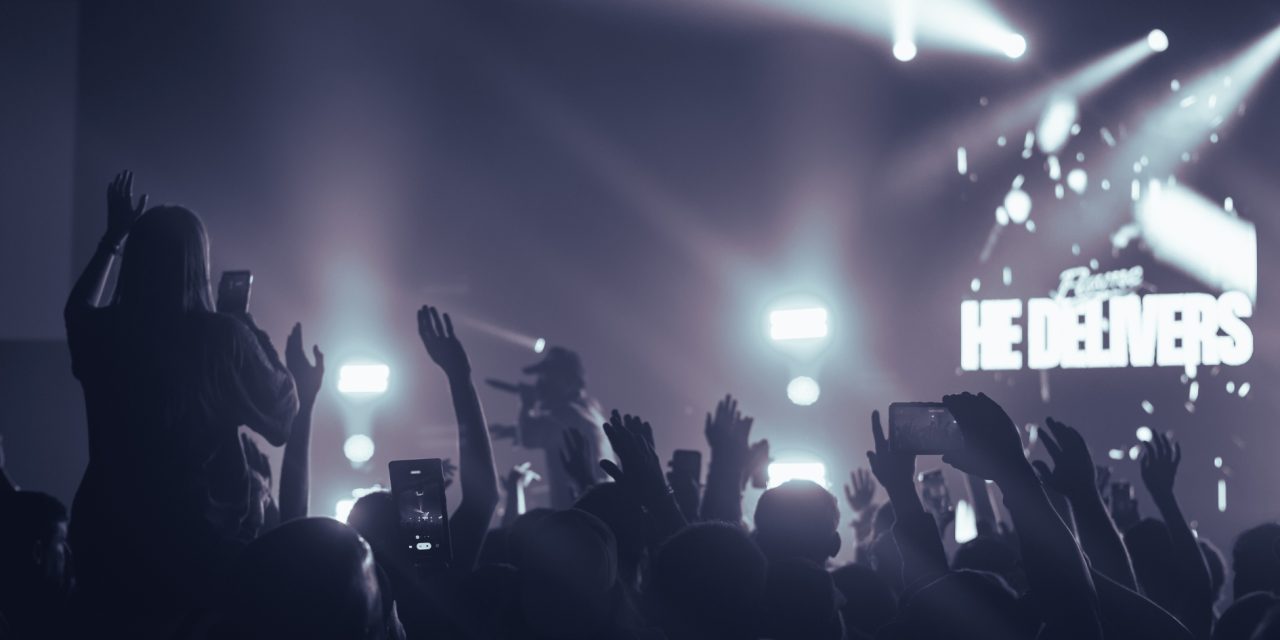
Christian Hip Hop tours used to be fairly predictable: churches, community halls, a loyal local crowd, and word-of-mouth promotion doing most of the heavy lifting. Today, that model feels almost quaint. The genre is growing faster, traveling farther, and experimenting more boldly than ever before. If you blink, you might miss a livestreamed concert happening in three time zones at once—or a tour stop where the crowd knows every lyric despite being continents away.
The future of Christian Hip Hop touring is no longer just about getting artists from city to city. It’s about how technology reshapes connection, how global audiences redefine “the mission field,” and how artists balance innovation with authenticity—without turning the tour bus into a tech startup on wheels.
Technological Innovations Reshaping the Tour Experience
Technology is rapidly changing how Christian Hip Hop artists meet their audiences, often without sharing the same physical space. Virtual reality concerts and advanced live-streaming platforms are opening doors that traditional touring never could. Platforms like Oculus Venues allow fans to experience immersive performances that feel front-row, even from thousands of miles away.
Live streaming services such as Twitch and YouTube Live have become equally powerful tools. They allow artists to perform, interact with fans in real time, and sustain tours financially through subscriptions, donations, and exclusive content. Artists like Lecrae have already embraced this shift, using livestreams not as replacements for live shows, but as extensions of them.
The result is a touring model that prioritizes connection over geography. Fans who might never afford a ticket or travel visa can still feel present, engaged, and part of a shared moment—no folding chairs required.
Expanding Global Reach Beyond Traditional Markets
Christian Hip Hop is no longer confined to North American audiences. International tours are becoming central to the genre’s growth, especially in regions where faith and urban culture already intersect naturally. Countries like Brazil and Nigeria have emerged as powerful hubs, with youth audiences deeply resonating with the genre’s blend of testimony, rhythm, and social commentary.
Lecrae’s success in Brazil highlights how hip hop paired with faith speaks across cultural boundaries. Similarly, Trip Lee’s performances in Nigeria reveal how Christian Hip Hop can merge seamlessly with African musical traditions, creating something both familiar and new.
Social media and streaming platforms play a crucial role here, allowing artists to build international followings long before stepping on stage. When tours finally arrive, they feel less like introductions and more like long-awaited reunions. This global exchange doesn’t dilute the message—it amplifies it, reshaping Christian Hip Hop into a truly worldwide movement.
Conclusion
As Christian Hip Hop tours evolve, they are becoming less about logistics and more about vision. Technology expands reach, global audiences deepen impact, and artists are challenged to stay grounded while navigating rapid change. The road ahead promises innovation, but it also demands discernment—because reach means little without resonance.
As Christian Hip Hop goes global and digital, do you feel more connected—or do you miss the closeness of being in the room? DLK Urban Gospel and Christian Hip Hop keeps the conversation going.


