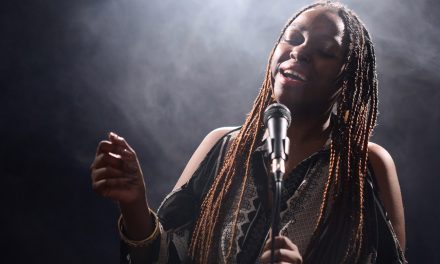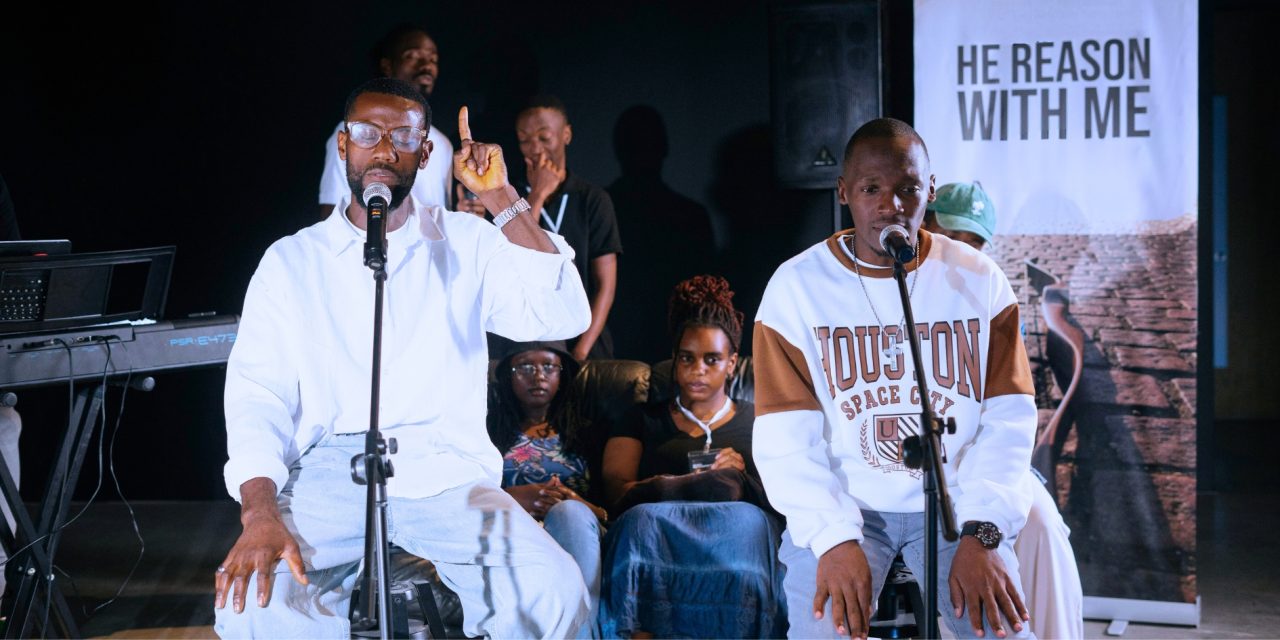
Gospel rap is reshaping worship services in ways that feel both refreshing and undeniably effective. It blends the boldness of hip-hop with the spiritual depth of worship, creating moments that strike the heart while still nodding to contemporary culture.
The genre’s energy often surprises traditional congregations. However, its relatability helps bridge generational gaps without forcing anything unnatural. As churches continue to modernize, gospel rap proves that spiritually grounded creativity can thrive in spaces once defined by predictable formats.
Changing Congregational Dynamics
The introduction of gospel rap into worship has transformed how congregations participate, especially in churches that lean into its vibrant tone.
This shift is clear in places like The Potter’s House in Denver and Elevation Church in Charlotte, where hip-hop beats blend with established worship traditions to create a balanced and electrifying environment. The music boosts engagement across age groups, but its resonance is particularly strong among younger audiences who find comfort in familiar rhythms that still carry a meaningful message.
Elevation Church frequently features local gospel rap artists during services, incorporating a community-centered approach that fosters deeper involvement and strengthens identity.
Churches also use presentation tools like ProPresenter to enrich the experience through engaging visuals that support the performances. When multimedia elements and gospel rap work together, the worship atmosphere becomes both immersive and emotionally compelling. This offers congregants multiple ways to connect with the message.
Engaging Younger Audiences
Gospel rap plays a critical role in helping churches reach younger audiences, especially those who may feel disconnected from traditional worship formats. Hosting events that highlight local gospel rap artists or even talented youth creates an environment where young people feel seen and valued. This encourages participation while also supporting the growth of new artistic expression within the church community.
Social media platforms like Instagram and TikTok are powerful tools for promoting these events. They enable churches to connect with young people where they already spend a significant amount of their time.
These platforms enable teens to share short clips, reactions, and testimonials, fostering a sense of shared excitement and belonging. Integrating gospel rap into sermons, youth group programs, and special services further strengthens engagement. When young people hear sounds that match their everyday sonic world, they are more likely to embrace the worship experience with enthusiasm and consistency.
Conclusion
Gospel rap is more than a stylistic addition to worship services; it is a bridge that connects generations through sound, culture, and shared belief. Its presence brings renewed vibrancy to congregational life, proving that innovation and reverence can coexist beautifully. By embracing these evolving expressions of faith, churches open their doors to deeper participation while shaping worship experiences that reflect the world young people actually live in.
How can gospel rap reshape the spiritual energy of your own worship space? Explore more insights and features at DLK Urban Gospel and Christian Hip-Hop, where the sound of faith meets the pulse of today’s culture.