Collective Gospel EPs have already proven that collaboration can go deeper than a single feature—but the future is where things get truly interesting.
As these projects become more common, the focus is shifting from whether artists collaborate to how well they do it. The next phase of Gospel music creation will be shaped by smarter tools, more intentional creative processes, and a growing desire for unity within diverse voices. In many ways, collective EPs are no longer the experiment—they’re becoming the blueprint.
Trends Shaping the Next Generation of Gospel EPs
The evolution of collective Gospel EPs depends largely on how artists create together.
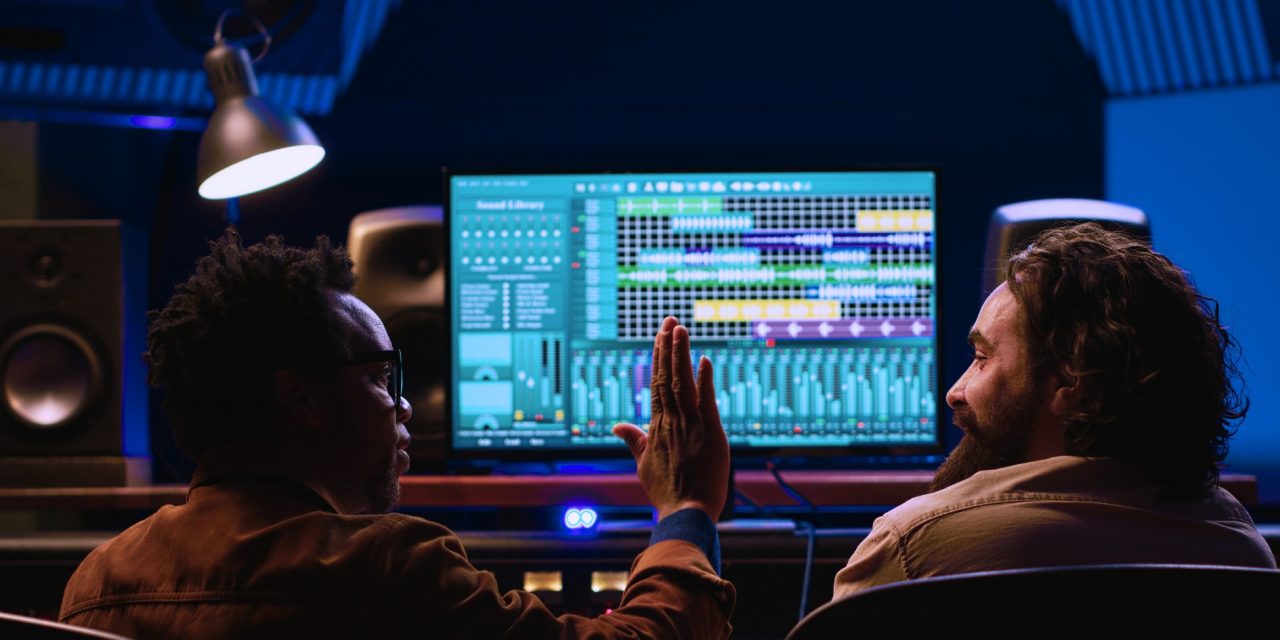
Digital collaboration tools like Splice are redefining what it means to work as a team. Instead of being limited by location, artists can now build songs in real time, sharing ideas, sounds, and sessions instantly. For EP-style projects that involve multiple contributors, this kind of workflow makes it easier to maintain momentum and consistency across tracks.
At the same time, platforms like SoundCloud are becoming important spaces for early-stage collaboration. Artists can upload demos, receive feedback, and refine ideas before they officially become part of a project. This creates a more fluid creative process, where songs evolve through community input rather than in isolation.
What this means for the future is simple but powerful.
Collective EPs will likely become more inclusive and diverse, drawing in independent artists and producers who might not have had access before. With fewer barriers to entry, more voices can contribute, resulting in Gospel projects that feel richer, more layered, and more reflective of a global faith community.
Navigating Challenges in Multi-Artist Gospel Projects
As collaboration expands, so do the challenges that come with it.
One of the most common issues in collective EPs is aligning different artistic visions. When multiple artists contribute to one project, there’s always the risk of the final product feeling disconnected. That’s why communication becomes just as important as creativity.
Collaborations involving artists like Kirk Franklin and Tasha Cobbs Leonard highlight how intentional planning—such as regular check-ins—helps keep everyone aligned on both the musical direction and the message. This kind of structure ensures that even with different styles, the project still feels unified.
Logistics also play a major role.
Managing schedules, tracking progress, and coordinating contributions across multiple people can quickly become overwhelming. Tools like Trello help simplify this process by organizing tasks and keeping everyone on the same page. For collective EPs, this kind of system can make the difference between a smooth workflow and unnecessary confusion.
Ultimately, the key to overcoming these challenges is clarity.
When expectations are set early and the purpose of the project is clearly defined, collaboration becomes more focused. Instead of competing ideas, artists contribute toward a shared vision—resulting in music that feels cohesive rather than scattered.
Conclusion
The future of Gospel collaborations, especially in the form of collective EPs, will be defined by both access and alignment.
Technology is making it easier than ever to create together, opening the door for more diverse and dynamic projects. At the same time, the success of these collaborations will depend on how well artists can unify their vision and communicate their message.
As these two elements come together, collective EPs won’t just grow in number—they’ll grow in impact, shaping the next chapter of Gospel music in a meaningful way.
What’s the last Gospel collab project that actually stayed on repeat for you?Let’s hear it—and stay tapped into the sound with DLK Urban Gospel and Christian Hip Hop.


