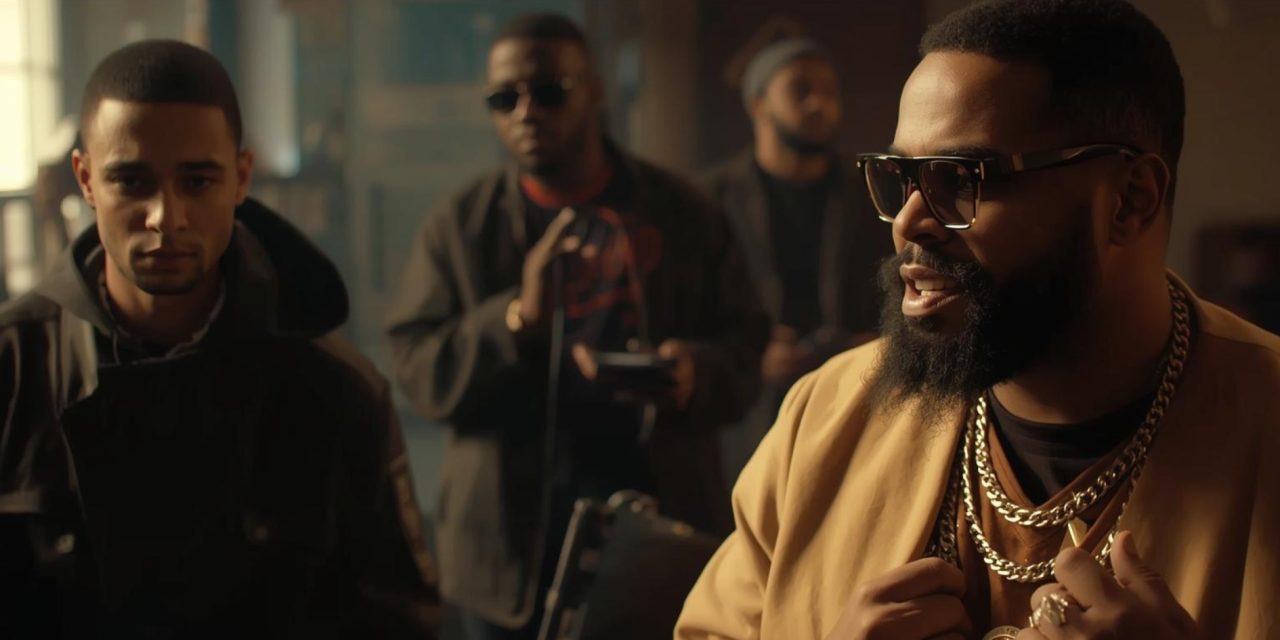
The 2000s were a turning point for gospel rap and not the quiet, tiptoe-into-the-room kind. This was the decade when the genre stopped being a well-kept secret and started knocking loudly on mainstream doors, sometimes with a choir behind it and a hip-hop beat leading the way. Gospel rap didn’t abandon its message, but it did learn how to speak it in rooms that weren’t always expecting Scripture between verses.
What made this era special wasn’t just visibility, it was boldness. Artists were willing to collaborate, experiment, and sometimes raise eyebrows, all while keeping faith at the center. The result was a sound that felt bigger, more confident, and harder to ignore, even for listeners who never planned on adding gospel rap to their playlists.
Cross-Genre Collaborations That Changed the Conversation
One of the clearest signs of gospel rap’s mainstream breakthrough in the 2000s was its growing list of cross-genre collaborations. Kirk Franklin, long known for pushing gospel boundaries, worked with secular artists like R. Kelly, sparking conversations that went far beyond music charts. These collaborations didn’t dilute the message; they amplified it, placing gospel themes into spaces they hadn’t occupied before.
Artists like Lecrae began collaborating with mainstream hip-hop figures such as Big K.R.I.T., while also working closely with artists like Andy Mineo. These partnerships showed that gospel rap could sit comfortably alongside secular hip-hop without losing its identity. Instead of drawing hard lines, these collaborations built bridges—musical and cultural—that expanded the genre’s reach.
The Emergence of New Voices and a New Confidence
The 2000s also marked the rise of a new generation of gospel rap artists who brought depth, honesty, and cultural awareness to the forefront. Lecrae’s Gravity became a defining album of the era, tackling themes of faith, doubt, resilience, and social pressure with a level of vulnerability that resonated far beyond church audiences. It challenged the idea that gospel rap had to stay in a narrow lane.
Trip Lee’s The Good Life followed a similar path, weaving personal stories with broader social issues like identity and poverty. His approach felt conversational rather than preachy, inviting listeners into reflection rather than instruction. These artists weren’t just rapping about belief; they were rapping about life as it actually felt.
By addressing real struggles while remaining rooted in faith, these voices helped gospel rap feel relatable, relevant, and deeply human. That balance is what allowed the genre to grow without losing its soul.
Conclusion
The 2000s didn’t just push gospel rap into the mainstream—they reshaped how it was understood. Through bold collaborations and the rise of honest, reflective voices, the genre proved it could engage wider audiences without compromising its foundation. This era laid the groundwork for today’s gospel rap landscape, where faith, culture, and creativity continue to intersect in powerful ways.
When gospel rap crossed into the mainstream in the 2000s, did it strengthen the message for you—or make it more complicated to hear? DLK Urban Gospel and Christian Hip Hop explores where faith, culture, and honest conversation meet.