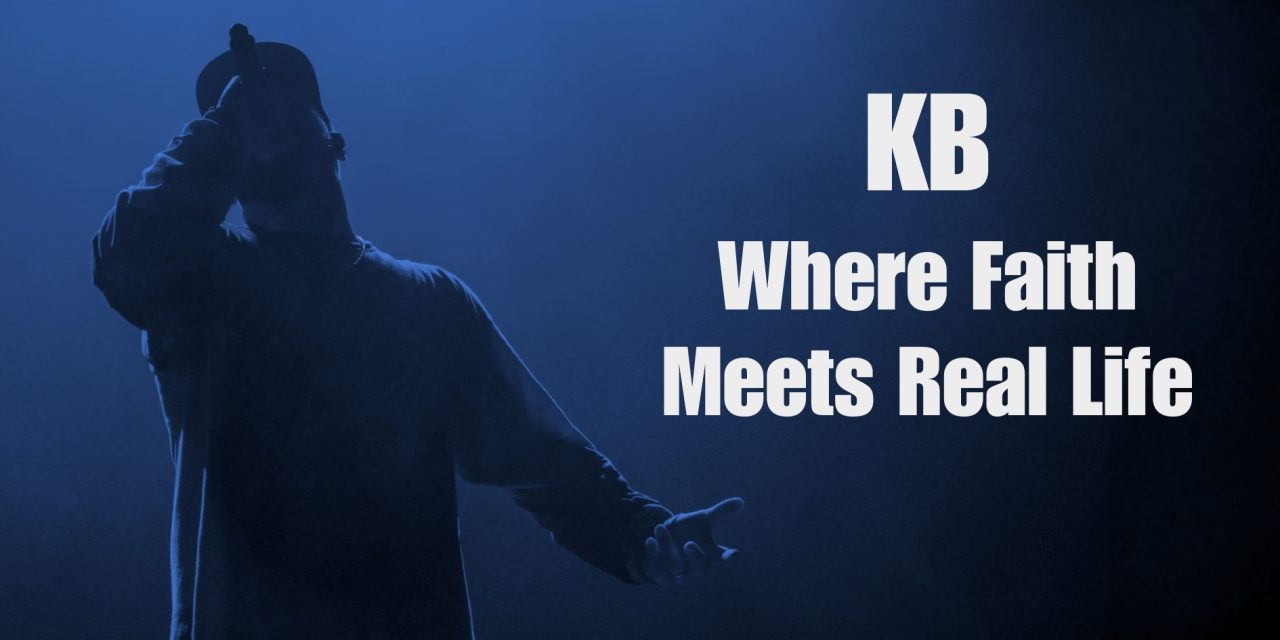
KB’s music sits at the crossroads of conviction and creativity. His sound doesn’t fit neatly into one box, and that’s intentional. By blending familiar genres with sharp storytelling, he creates music that feels modern, rooted, and purposeful. There’s an energy in his work that pulls listeners in, but it’s the substance that keeps them there. Beneath the beats and hooks, KB consistently explores faith, identity, and social responsibility without sounding detached or preachy.
What makes his approach stand out is balance. The music moves, the lyrics challenge, and the message stays clear. It’s faith-forward without losing cultural relevance, and bold without losing accessibility.
Genre Blending That Expands Reach
KB skillfully merges hip hop with gospel and R&B influences, creating a sound that feels expansive rather than restricted. This genre blending allows his music to resonate across different audiences while still delivering spiritually grounded messages.
In Miracles, a hard-hitting hip hop beat is layered with soulful gospel choir elements, reinforcing themes of hope and resilience. The production feels celebratory without losing weight, making the message easier to receive without diluting its meaning. Similarly, It Ain’t Safe leans into smoother R&B melodies, pairing emotional vocal lines with lyrics centered on faith and perseverance during personal struggle.
This fusion highlights KB’s versatility while strengthening his connection with listeners who may come from different musical or cultural backgrounds. By pulling from multiple genres, he widens his reach, which translates into strong audience engagement, diverse concert crowds, and sustained influence within the broader Christian hip-hop space.
Lyrical Themes That Invite Reflection and Action
KB’s lyrical content consistently centers on empowerment, faith, and social justice, encouraging listeners to think critically about who they are and what they stand for. His writing doesn’t just affirm belief; it asks listeners to examine how belief shapes identity and responsibility.
These themes often spark conversation beyond the music itself. Listeners engage with the questions raised around identity, purpose, and accountability, creating dialogue within communities. Through this approach, KB’s music becomes a shared space—one that reinforces belonging while encouraging growth and collective responsibility.
Conclusion
KB’s musical style thrives on intention. Through genre-blending production and thoughtfully layered lyrics, he creates music that speaks to faith without ignoring cultural realities. His work doesn’t separate spirituality from lived experience; it connects them. That connection is what allows his music to resonate deeply, foster community, and remain relevant in conversations about faith, identity, and justice.
What keeps you listening longer—the sound that moves you or the message that challenges you? DLK Urban Gospel and Christian Hip-Hop continues to unpack how artists like KB use music to shape faith-driven conversations in today’s culture.