Urban Gospel has been moving with a confidence that feels new, almost like the genre woke up, stretched, and decided it was time for a glow-up. It’s experimenting with sounds, leaning into bolder production, and embracing platforms that once felt distant from faith-inspired music.
This shift hasn’t watered down its message. Rather, it has made the message easier to discover, easier to share, and surprisingly fun to talk about. The genre now feels like that friend who shows up dressed better than expected but still insists they “didn’t try too hard.”
The Digital Wave Reshaping Urban Gospel
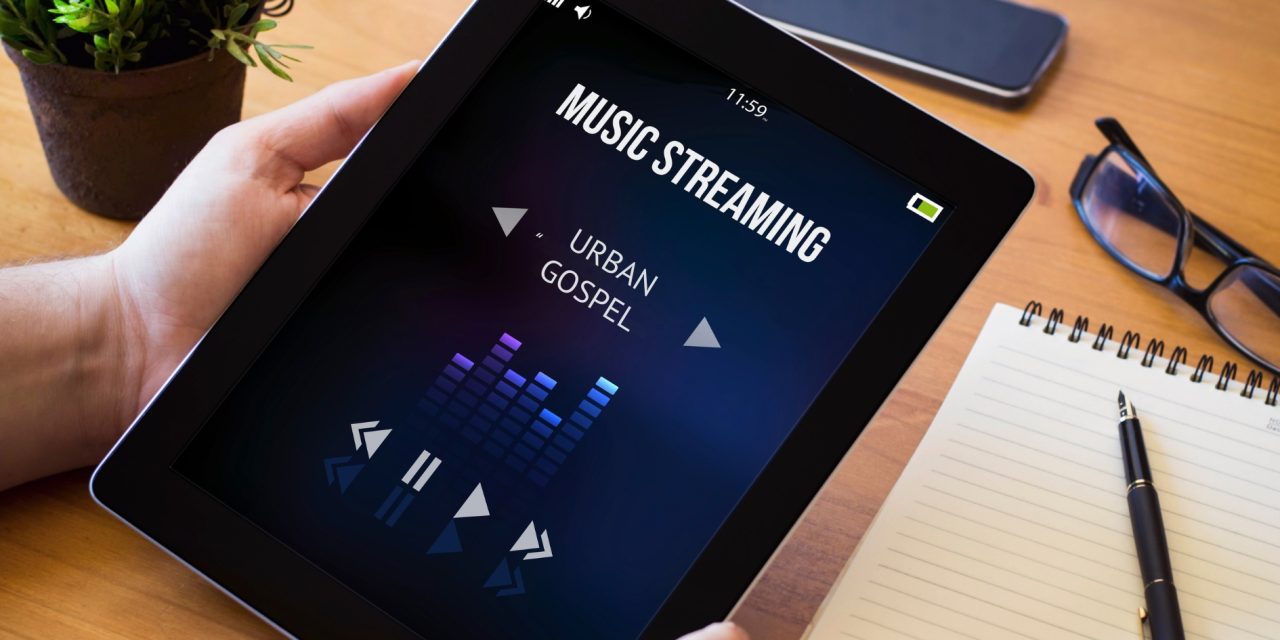
Digital platforms are giving Urban Gospel a louder voice and a longer reach. Streaming services like Spotify and Apple Music use algorithmic recommendations that push Gospel-influenced tracks into unexpected playlists. These placements expose the genre to listeners who may not have discovered it otherwise. Increased visibility means a growing fan base that spans countries, age groups, and diverse musical backgrounds.
Artists like Lecrae and TobyMac ride this digital momentum with skill. Their fusion of Gospel, hip-hop, and pop creates catchy crossover hits that thrive on streaming platforms. The blending of styles keeps the message spiritually grounded while offering listeners a sound that feels incredibly current. Digital discovery has become one of the genre’s most powerful engines, allowing Urban Gospel to travel far beyond traditional church or radio settings.
Cross-Genre Collaborations Elevating the Sound
Urban Gospel is also benefiting from bold collaborations that reshape how listeners experience faith-centred music. Partnerships between Gospel artists and mainstream creators—like Chance the Rapper’s recent work with several producers—highlight the genre’s flexibility. These collaborations merge modern production trends with Gospel themes. In doing so, they give audiences a fresh and compelling listening experience.
Social media amplifies this momentum by giving artists direct access to younger fans. Short videos, behind-the-scenes clips, and relatable messaging transform faith-inspired music into everyday content. These digital interactions help build a community where fans feel involved, connected, and part of the genre’s evolution.
Conclusion
Urban Gospel is no longer simply adapting to the times—it’s influencing them. With digital expansion, creative collaborations, and a message that still resonates, it stands as one of today’s most innovative musical forces. Its evolution feels intentional, inspired, and confidently modern.
Which of these rising trends do you think will reshape Urban Gospel the most in the next few years? Stay tuned for deeper insights into the genre’s evolution—only on DLK Urban Urban Gospel and Christian Hip Hop!