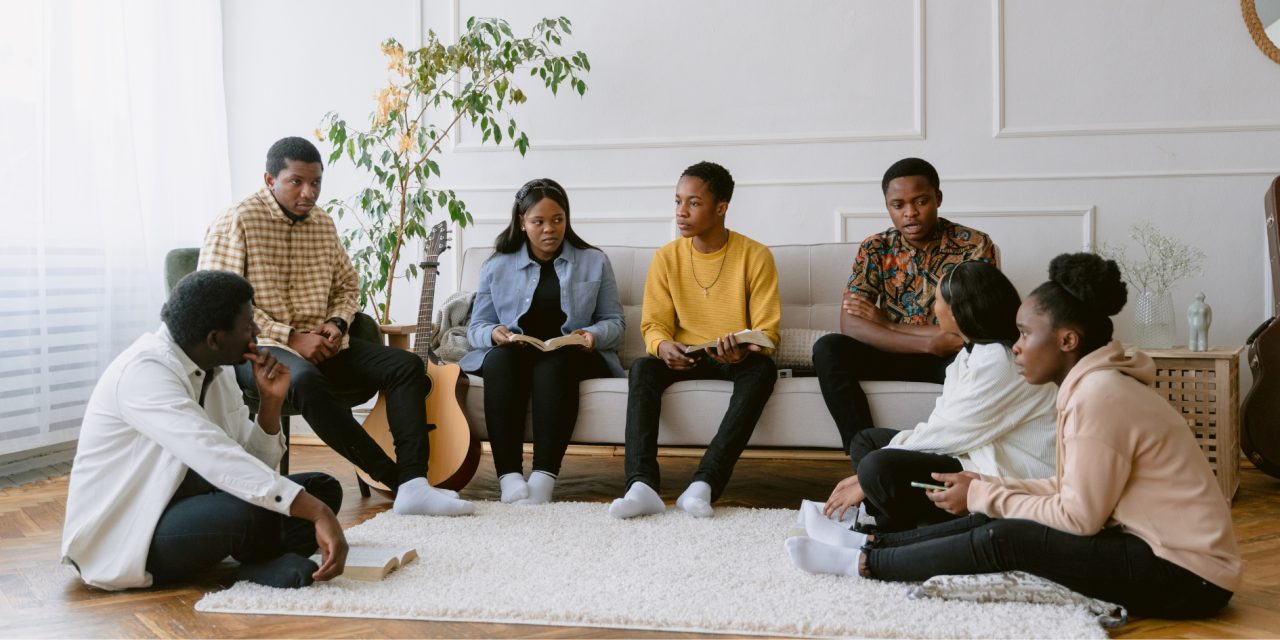
Building a Christian Hip Hop (CHH) community sounds simple—shared faith, shared music, shared purpose. In reality, it can feel a bit like organizing a group chat where everyone loves God, but not everyone agrees on how that should sound on a beat.
As CHH continues to grow, communities are becoming more diverse in style, background, and perspective. From boom bap purists to melodic trap innovators, everyone brings a different expression of faith into the space.
This diversity is powerful, but it also creates challenges. Managing different viewpoints and resolving conflicts well is what separates a thriving CHH community from one that slowly falls apart. Let’s break down the key areas that matter most.
Managing Diverse Perspectives
One of the biggest strengths of CHH is its diversity—but that same diversity can create tension if it’s not handled intentionally.
Artists and fans influenced by leaders like KB often bring bold, expressive approaches to faith and music. At the same time, others may prefer more traditional or lyrically focused styles. Neither is wrong—but without structure, these differences can easily turn into friction.
Creating an inclusive environment starts with clear communication and shared expectations.
Simple but effective strategies include:
- Establishing community guidelines that emphasize respect and active listening
- Hosting open forums or workshops where members can share perspectives
- Rotating leadership roles to ensure different voices are represented
Digital tools can also help keep things organized. Platforms like Slack allow ongoing conversations without chaos, while scheduling tools like Doodle make it easier to coordinate meetings without endless back-and-forth messages.
When people feel heard, they’re far more likely to stay engaged. And in CHH, engagement isn’t just about music—it’s about shared growth and purpose.
Addressing Conflicts and Issues
No community is conflict-free, and CHH is no exception. The difference lies in how those conflicts are handled.
Ignoring issues or brushing them aside often leads to deeper division. On the other hand, addressing problems early—clearly and respectfully—can actually strengthen the community.
Effective conflict resolution in CHH spaces often includes:
- Active listening: Letting each person fully express their perspective
- Neutral facilitation: Having a trusted leader guide the conversation
- Clear processes: Outlining how concerns are reported and resolved
For example, communities can designate a neutral moderator or conflict resolution to step in when needed. This creates a sense of structure and fairness, rather than leaving situations to spiral.
Regular check-ins—whether through meetings or online forums—also give members a safe space to raise concerns before they escalate.
Transparency plays a huge role here. When people see that issues are handled fairly and consistently, trust grows. And in a faith-centered space like CHH, that trust is essential.
Conclusion
Building a strong Christian Hip Hop community goes beyond music—it requires intentional effort, structure, and a commitment to unity.
By learning how to manage diverse perspectives and address conflicts with clarity and respect, CHH communities can grow into spaces that truly reflect both creativity and faith.
When done right, these communities don’t just support artists—they shape culture, strengthen relationships, and create environments where both music and message can thrive.
Have you ever been in a CHH space where things got a little tense over style, sound, or “what counts” as gospel—and how did it play out? Drop your experience in the comments and stay locked in with the culture of DLK Urban Gospel and Christian Hip Hop!