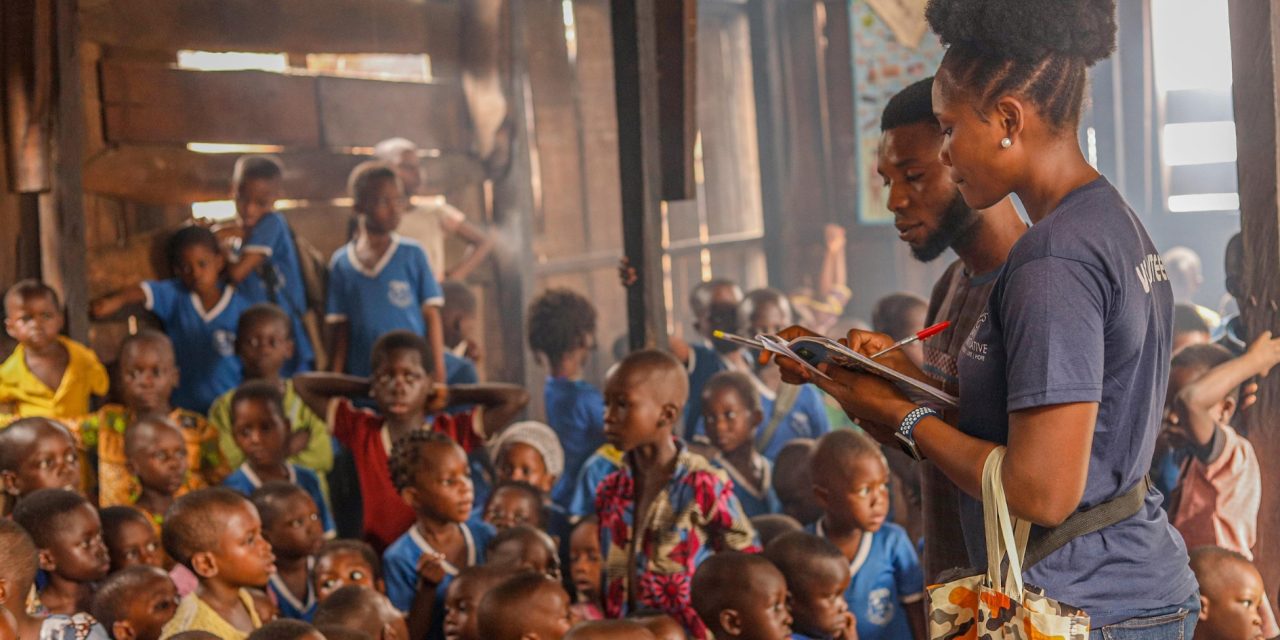
Christian Hip Hop has grown in streams, tours, and chart visibility. But its real influence is not measured in plays. It shows up in youth camps, mentorship programs, and nonprofit partnerships that quietly reshape communities.
While some assume CHH is simply faith-themed music, the genre has consistently operated as both ministry and movement. The beats may draw crowds, but the mission extends far beyond performance.
This piece explores how CHH artists engage their communities through structured outreach programs and strategic collaborations with nonprofits. From measurable mentorship growth to multimillion-dollar fundraising initiatives, these efforts reveal how Christian Hip Hop transforms cultural relevance into tangible social impact.
Outreach Programs That Create Tangible Impact
CHH outreach is intentional, not symbolic. Artists use their influence to create structured spaces for growth and mentorship.
Lecrae has organized youth camps designed to mentor young people while fostering leadership skills and personal development. Reports from these camps often show noticeable increases in participant confidence and deeper community involvement.
Concerts in underserved neighborhoods function as more than entertainment events. They raise social awareness and create environments where faith and real-life challenges intersect publicly. NF’s performances consistently draw large youth audiences, inspiring engagement in local initiatives and creative expression.
These outreach efforts frequently extend online. Social media posts highlighting transformation stories generate thousands of shares and interactions, amplifying impact beyond physical events.
By combining mentorship, music, and visibility, CHH artists transform platforms into pipelines for community empowerment.
Collaborations With Nonprofits That Expand Influence
Strategic partnerships allow CHH artists to multiply their reach. Collaborations with nonprofit organizations create structured solutions to systemic challenges such as poverty and education gaps.
Lecrae partnered with The Urban Alternative to strengthen youth mentoring initiatives. Within one year, enrollment for mentorship slots increased by 35 percent, demonstrating measurable community response.
Chance the Rapper’s work with SocialWorks focused on education funding, generating over $2 million for public arts programs and expanding creative opportunities for students.
TobyMac has collaborated with the Hands and Feet Project, supporting housing and care for orphans in Haiti. These partnerships elevate both awareness and tangible support for vulnerable populations.
Such collaborations enhance nonprofit visibility while inspiring volunteerism, donor engagement, and broader faith-based participation within communities.
Conclusion
CHH artists prove that influence is most powerful when it extends beyond music. Through outreach programs and nonprofit collaborations, they convert cultural relevance into practical service.
By investing in mentorship, education, and community development, they reinforce the idea that faith should be visible, measurable, and active. Christian Hip Hop continues shaping culture not only through lyrics, but through leadership.
Which form of community engagement makes the strongest long-term impact — youth mentorship, benefit concerts, or nonprofit partnerships? Join the conversation and keep exploring faith-driven cultural impact only at DLK Urban Gospel and Christian Hip-Hop!


