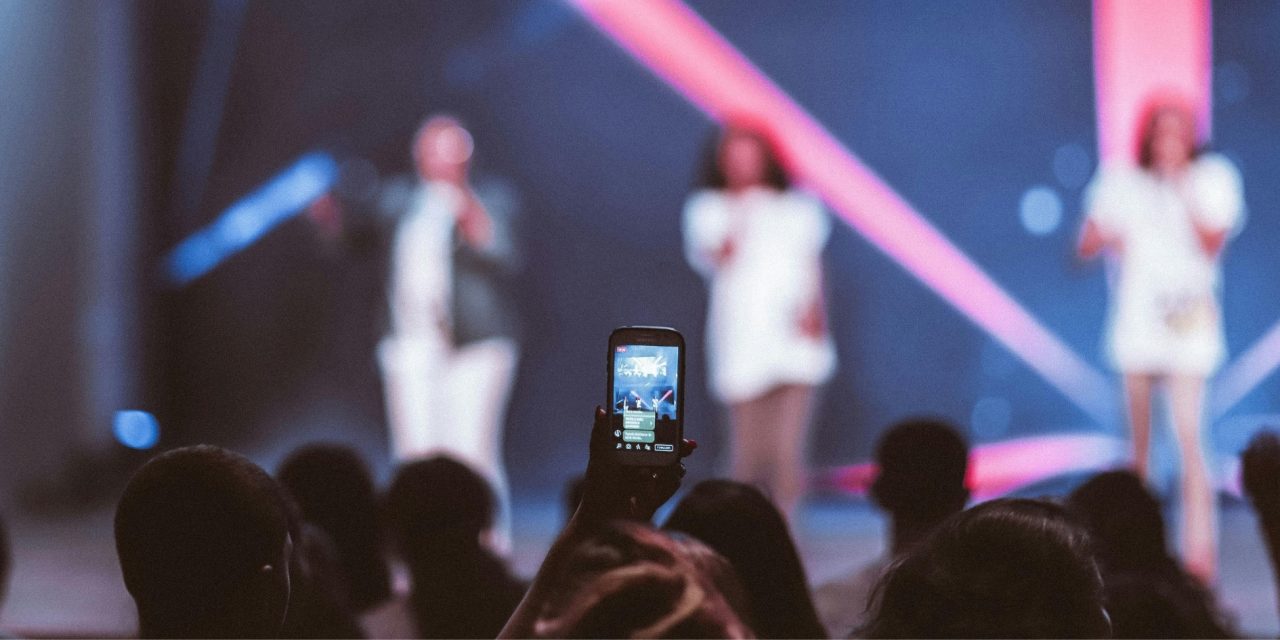
Christian Hip-Hop is no longer asking for a seat at the table. It’s building its own stage — and the audience keeps growing.
Streaming dominance, cross-genre collaborations, and cultural visibility are pushing CHH beyond traditional church spaces and into mainstream conversations. What once felt compartmentalized now feels integrated. Faith-based lyricism is reaching timelines, playlists, festivals, and radio rotations that would have seemed unlikely a decade ago.
The trajectory isn’t subtle. It’s accelerating.
Emerging Trends Reshaping CHH
Digital streaming has become the engine behind CHH’s expansion. Platforms like Spotify and Apple Music now dominate music consumption, with the majority of listeners discovering new artists online rather than through traditional radio or church events.
This shift removes geographical and institutional barriers. A track can move from a youth group playlist to a global audience overnight.
Collaborations are also redefining reach. Artists such as Lecrae have partnered with mainstream acts like Tori Kelly, demonstrating that faith-centered music can coexist naturally within pop and R&B spaces. These collaborations don’t dilute the message — they amplify exposure.
Data tools are shaping strategy as well. Platforms like Chartmetric allow artists to analyze streaming patterns, audience demographics, and emerging genre trends. This level of insight empowers CHH creators to tailor releases, target marketing, and position themselves within broader musical ecosystems.
The modern CHH artist is not just a minister or rapper. They are strategist, brand builders, and digital natives.
Growth Beyond the Church Walls
The cultural footprint of CHH is expanding well beyond traditional Christian gatherings.
Events like Kingdom Music Festival showcase artists who blend faith-driven messaging with contemporary production, attracting audiences that include both church communities and secular listeners.
Media recognition has amplified visibility. Features in outlets such as NPR and Billboard signal industry acknowledgment, positioning CHH within broader music discourse.
Social media further accelerates this reach. Platforms like TikTok and Instagram enable artists to launch challenges, host live sessions, and engage audiences who may never step into a church building. Short-form clips can introduce faith-based themes in culturally relevant formats, bridging generational gaps.
The opportunity is clear: CHH can influence culture without abandoning conviction.
Strategic Positioning for the Next Era
To sustain growth, artists must remain intentional.
Multi-platform distribution ensures accessibility. Cross-genre collaboration fosters creative expansion. Data-driven marketing refines audience targeting. Consistent digital engagement maintains relevance.
But beyond strategy, authenticity remains essential. Audiences resonate with transparency, storytelling, and lived faith. Innovation without integrity loses impact. Integrity without innovation limits reach.
The future belongs to artists who hold both.
Conclusion
Christian Hip-Hop stands at a pivotal intersection. Technology, collaboration, and cultural openness have created pathways that extend far beyond church walls.
The genre is not shedding its identity — it is strengthening it while stepping into wider arenas. As streaming continues to dominate and partnerships multiply, CHH is poised to shape conversations about faith, culture, and creativity on a global scale.
The next chapter will not be defined by separation. It will be defined by influence.
Where do you see Christian Hip-Hop making its biggest cultural impact next? Stay connected with DLK Urban Gospel and Christian Hip Hop as we track the trends, artists, and movements shaping the future of faith-driven music.


