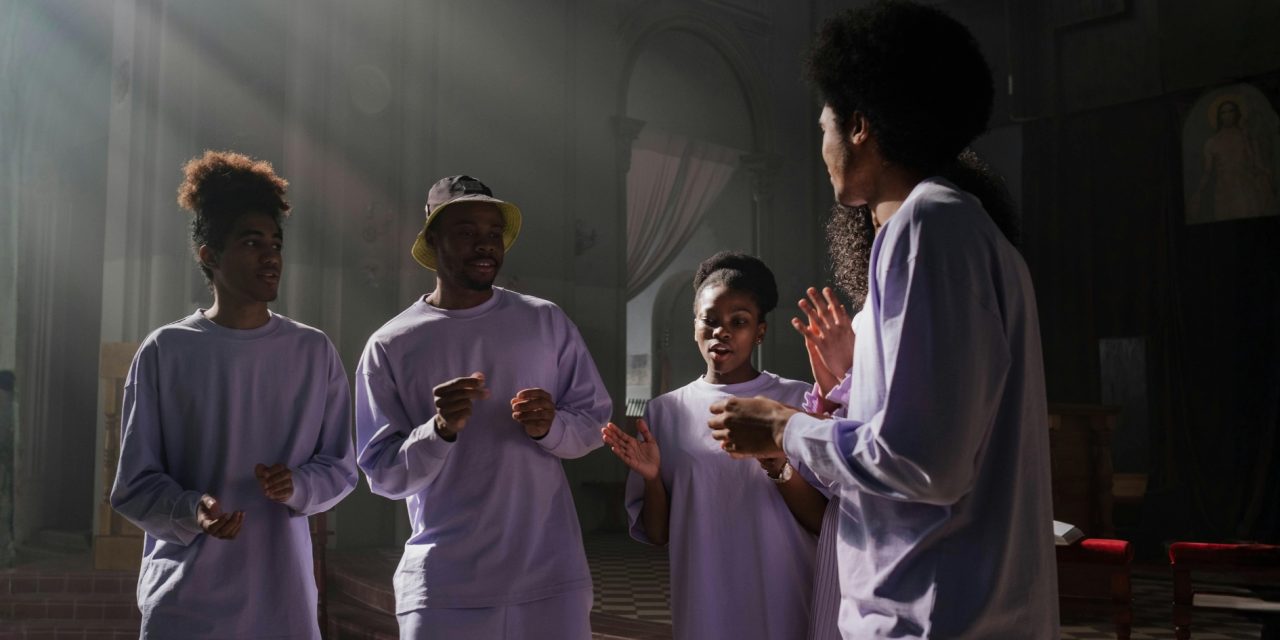
Gospel hooks have a way of sneaking into your head and refusing to leave, usually before you realize you are clapping on beat. One minute you came to sit quietly, the next you are humming the chorus on the way home. That reaction is not accidental. Gospel hooks are carefully built to move both the spirit and the body.
At their best, these hooks balance musical precision with spiritual intention. They are designed to invite participation, reinforce meaning, and create moments that feel shared rather than performed. Understanding how they work explains why certain songs instantly connect across generations and worship settings.
Melody, Rhythm, and Physical Response
Melody and rhythm sit at the center of effective gospel hooks. Catchy melodic lines give listeners something easy to remember, while rhythmic drive encourages movement and collective response. This combination often turns songs into interactive experiences rather than passive listening moments.
“This Little Light of Mine” is a classic example. Its repetitive melody lowers the barrier to participation, allowing anyone to join in without hesitation. The rhythm adds energy without overwhelming the message, creating joy that feels natural and communal. Kirk Franklin’s “Stomp” takes this further with strong, driving beats that immediately energize the room and invite physical expression.
Tempo also plays a key role. Many gospel hooks fall within the 100 to 120 BPM range, a sweet spot that supports clapping, stepping, and call-and-response patterns. When melody and rhythm align at this pace, emotional engagement increases and participation feels effortless. Worship leaders who understand this balance can craft hooks that naturally pull people in rather than forcing involvement.
Lyric Themes and Spiritual Meaning
Strong gospel hooks are not carried by sound alone. Their lyrical themes anchor the music in meaning, giving listeners a reason to connect beyond the melody. Community, faith, and celebration appear repeatedly because they reflect shared spiritual experiences.
Joy is one of the most common themes. Unity is equally important, as heard again in “Stomp,” where togetherness becomes part of the praise itself. Spiritual devotion adds another layer, especially in songs like CeCe Winans’ “Alabaster Box,” which focuses on personal surrender and reverence.
These themes resonate because they are universal within worship spaces. They reinforce collective identity while allowing individual reflection. When lyrics and melody support each other, gospel hooks become emotionally powerful tools that strengthen both faith and community.
Why Gospel Hooks Matter
Gospel hooks succeed because they are intentional. They combine musical structure, emotional accessibility, and spiritual depth into moments that feel alive and participatory. Whether in a church service or a gospel-influenced hip-hop track, these hooks help translate belief into shared experience.
As gospel continues to evolve, the hooks remain essential. They carry tradition forward while adapting to modern sounds, ensuring the message stays both relevant and memorable.
What makes a gospel hook truly powerful, the melody that moves you or the message that stays with you? Explore more insights into gospel sound, worship culture, and faith-driven music only on DLK Urban Gospel and Christian Hip-Hop.