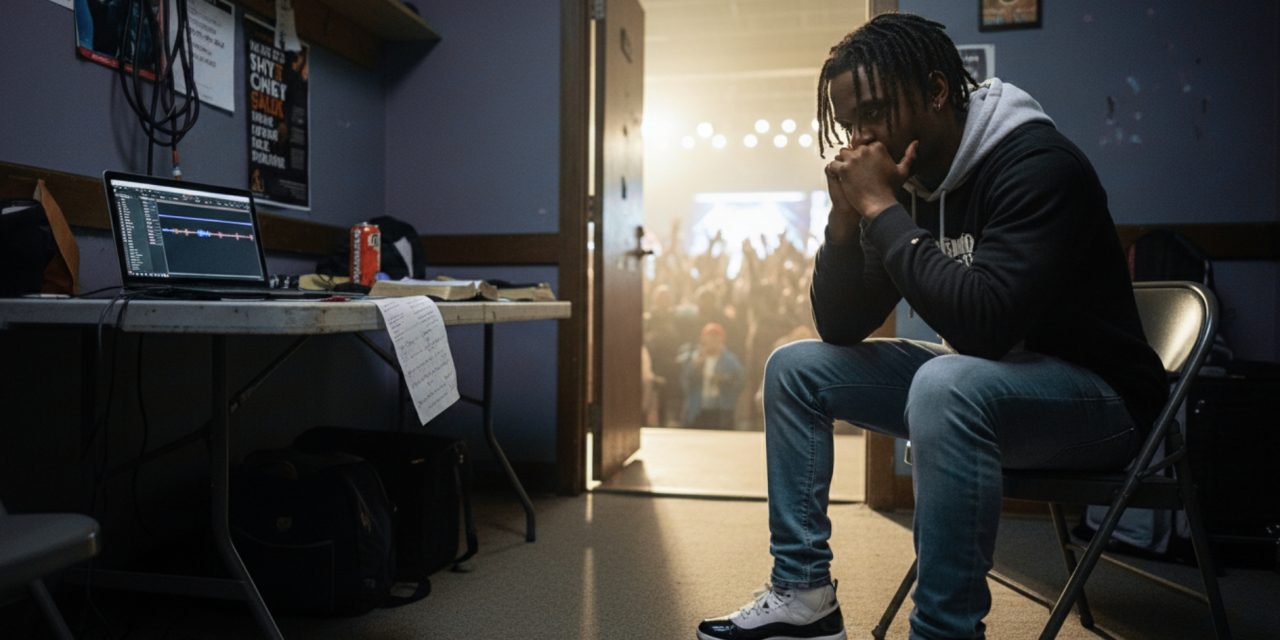
Ever notice how Christian Hip Hop sounds bold, confident, and unbothered—yet the artists behind those fire verses are juggling pressures heavy enough to bend steel? It’s almost ironic. The beats knock, the flow cuts sharp, and the message uplifts, but behind the studio walls sits a reality that’s far less glamorous. Artists constantly work to protect their faith-driven mission while navigating an industry that often expects them to tone it down, remix it, or polish it until it barely resembles their truth.
This tension shapes their creativity, their careers, and even their communities. Let’s break down what they’re really up against.
Balancing Faith and Commercial Success
Balancing faith and commercial potential is one of the biggest hurdles in Christian Hip Hop, and the friction isn’t exactly subtle. Artists like Lecrae have spoken openly about the push and pull between spiritual authenticity and industry expectations. Many want to reach broader audiences, but they refuse to dilute what makes their music meaningful.
Some accept collaborations with mainstream acts to widen their reach—yet they still protect the honesty of their message. Others, like Chance the Rapper, weave faith into their sound without ever labeling themselves strictly within the genre, proving you can uplift listeners without fitting into a neat category.
Social platforms help reinforce that balance. Instagram, TikTok, and Twitter give artists room to tell their story without industry filters. Behind-the-scenes glimpses, honest reflections, and faith-centered posts help fans understand the heart behind the craft. These digital spaces create a direct line of connection, strengthening trust without sacrificing impact.
Navigating Industry Expectations
Record labels and general audiences often expect Christian Hip Hop artists to follow mainstream trends, even when those trends clash with their mission. The pressure can feel intense. Some labels want the “clean” version of marketable rap while ignoring the spiritual backbone that fuels the genre.
Still, artists have found clever and intentional ways to move forward. Lecrae expanded his reach through collaborations that maintained lyrical integrity. Andy Mineo uses social media to guide the conversation around his work, sharing creative journeys and faith reflections in a transparent and unfiltered way. These strategies show that authenticity and visibility don’t have to exist in opposition.
For rising artists, the blueprint is clear: build a strong personal brand, form genuine connections with listeners, and pursue collaborations that honor both artistic identity and faith commitments. The industry may pull in different directions, but grounded purpose keeps them steady.
Conclusion
Christian Hip Hop continues to evolve because its artists push forward despite the pressures around them. They navigate commercial demands, protect their message, and carve out a space where faith, creativity, and cultural relevance all thrive. Their journey isn’t simple, but it’s shaping a genre that refuses to compromise its truth.
How should Christian Hip Hop evolve without losing the fire that makes it powerful? Explore more culture-shifting conversations and faith-driven insights at DLK Urban Gospel and Christian Hip Hop.


