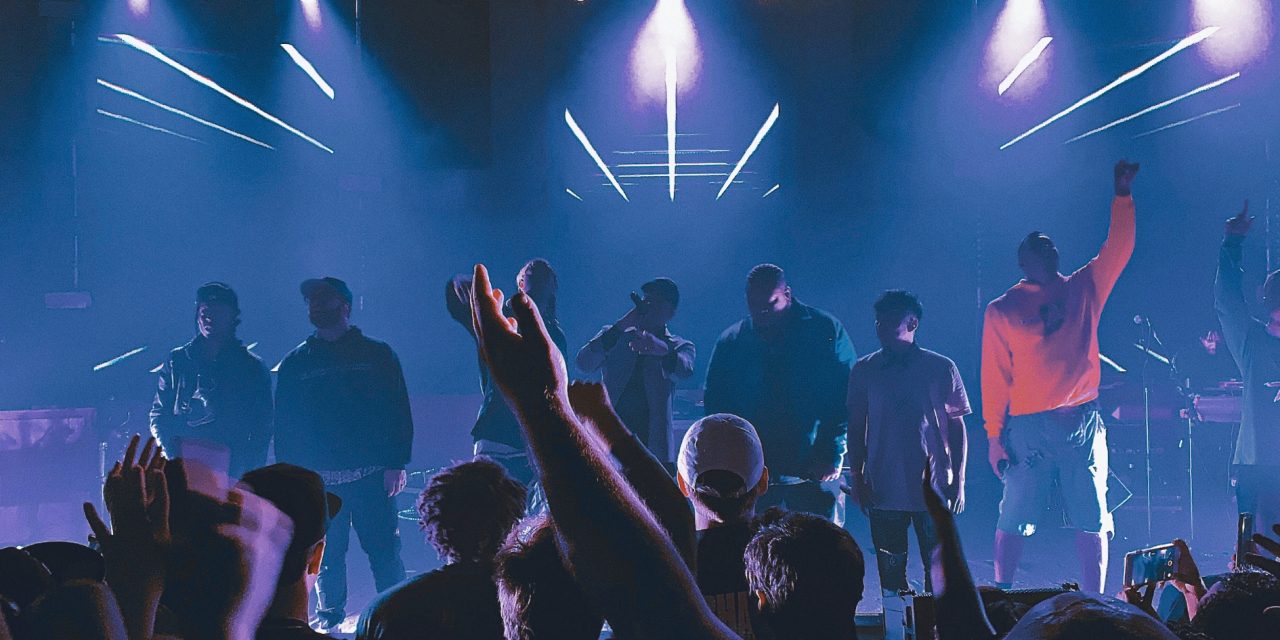
Gospel rap has always been the kid in class who mixes deep wisdom with surprising swagger. It blends conviction with creativity, turning testimonies into rhythm-filled statements that stay with you long after the beat fades. And while the genre began as a niche alternative for listeners craving spiritually grounded lyrics, it now shapes conversations far beyond church walls.
Today’s gospel rappers influence mainstream culture, push sonic boundaries, and inspire younger artists who see faith not as a limitation but as a launchpad. The legacy isn’t finished—it’s expanding, bending genres, and redefining what hip-hop can sound like when hope sits in the front seat.
Cross-Genre Influences Strengthening Its Reach
Gospel rap’s versatility becomes clear when you look at the collaborations that reshape its boundaries. The Lecrae and Tori Kelly track “I’ll Find You” blends melodic pop warmth with grounded gospel rap intensity, helping Christian themes reach listeners who may not actively search for them. Da’ T.R.U.T.H. has taken similar creative leaps, partnering with R&B artists to build songs that resonate with both faith-centered audiences and secular music fans.
These cross-genre moments do more than expand playlists—they broaden perception. They show that gospel rap isn’t boxed into one lane; it adapts, experiments, and thrives in different sonic environments. And because these collaborations feel authentic rather than forced, they draw new listeners in with curiosity and keep them with depth. The result is a genre that influences multiple musical spaces without losing its spiritual backbone.
Future Directions Driven by Experimentation and Social Relevance
The future of gospel rap looks bold because new artists aren’t afraid to challenge expectations. Trap-influenced beats are becoming more common, allowing faith-based messages to sit comfortably next to contemporary production styles. Lecrae’s work continues to lead here. He blends modern textures with timeless gospel themes, creating music that speaks to youth culture while appealing to long-time fans.
What truly stands out is the growing embrace of real-life issues. Mental health, community struggles, identity, resilience—these themes show up more often, grounded in personal testimonies that make the lyrics feel honest and human.
This narrative shift positions gospel rap as both spiritually uplifting and socially aware. As these stories deepen and production styles keep expanding, the genre is set to evolve into an even richer and more emotionally resonant force.
Conclusion
Gospel rap’s legacy continues to grow because it refuses to stay static. It experiments, collaborates, and tells stories that matter. By fusing modern production with faith-filled narrative depth, today’s artists are shaping a genre that connects with diverse audiences while staying rooted in conviction.
Gospel rap’s impact now stretches across musical landscapes, youth culture, and community conversations—and its influence shows no signs of slowing down. The next chapter will likely be louder, braver, and even more heartfelt.
Which gospel rap moment has inspired you or shifted your perspective recently? At DLK Urban Gospel and Christian Hip Hop, we explore the stories, collaborations, and bold new sounds shaping this powerful genre!


