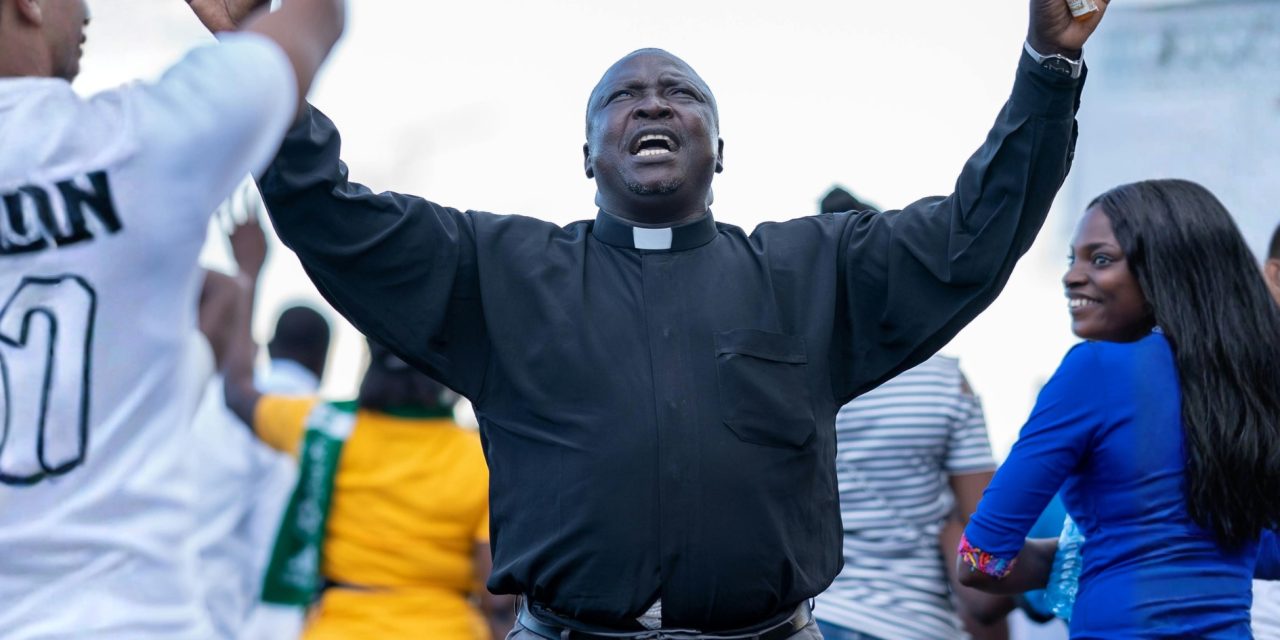
Street praise has already proven it’s more than a moment. Now the real question is where it goes next. What started as faith spilling into sidewalks and parking lots is quietly turning into a repeatable, recognizable form of worship that communities are beginning to plan for, not just stumble into. And no, this doesn’t mean street praise is about to get “corporate”—it just means people are paying attention.
As digital reach expands, younger leaders step up, and public worship becomes less surprising (and slightly less awkward for passersby), street praise is entering a phase of intentional growth. Understanding what’s shaping its future—from technology to collaboration—helps churches, worship leaders, and communities decide how to steward something that’s already working, without polishing away its soul.
Emerging Trends Shaping Street Praise
Street praise is expanding beyond informal gatherings into a more connected, visible form of worship culture. Digital platforms now play a major role in how these moments spread. Short clips of outdoor worship, prayer circles, and impromptu praise sessions often travel far beyond their original location, reaching people who may never step into a traditional church service.
Cross-style collaboration is also becoming more common. Acoustic worship leaders, spoken-word artists, and local musicians are blending prayer, testimony, and music into formats that feel accessible rather than performative. Unlike polished stage worship, street praise leans into authenticity—missed notes, background noise, and all. That honesty is part of the appeal.
There’s also a noticeable rise in younger worship leaders stepping into public expressions of faith. For many of them, street praise feels less like a rebellion against church and more like an extension of it. Worship is no longer confined to Sunday schedules; it shows up wherever people gather.
Technology, Visibility, and Community Reach
Technology isn’t replacing the heart of street praise—it’s amplifying it. Livestreams, short-form video, and shared playlists help transform a single moment of worship into something communal and ongoing. A passerby who hears a song on the street might later encounter that same moment online, reinforcing the message in a different space.
Streaming platforms and social media have also made collaboration easier. Worship leaders across cities—and even countries—can connect, share resources, and build momentum without needing formal structures. This accessibility encourages participation over performance, inviting everyday believers into the experience.
Most importantly, this visibility shifts how worship is perceived. Street praise reframes faith as something lived out loud, not tucked away. It becomes less about attendance numbers and more about presence—being seen, heard, and felt within the broader community.
What This Means for the Road Ahead
The future of street praise points toward growth that’s organic rather than manufactured. As communities continue seeking meaningful, low-barrier ways to worship, public expressions of faith will likely become even more normalized. Churches may increasingly support these gatherings not as outreach tactics, but as genuine spiritual expressions.
Street praise also opens doors for deeper conversations about faith in everyday life. When worship exists outside formal settings, it invites curiosity instead of obligation. That quiet impact—sometimes unnoticed, sometimes unforgettable—is what gives street praise its lasting power.
Conclusion
Street praise isn’t a phase or a social media moment. Rather, it’s a reflection of how worship continues to move with people. As technology, community, and creativity intersect, this form of worship is finding new ground without losing its soul. The future looks less like a stage and more like a shared moment, unfolding right where life happens.
Ever stumbled across street praise—or found yourself lingering longer than expected? DLK Urban Gospel and Christian Hip Hop continues exploring how faith shows up beyond church walls, one honest moment at a time.


