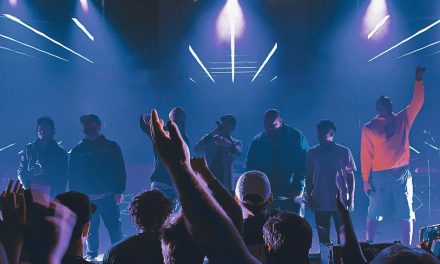
Christian Hip Hop is no longer trying to “find its place”—it’s actively shaping its own lane.
What used to feel like a niche corner of the music world is now gaining serious momentum, especially among younger audiences who want both authenticity and relevance. And it’s not just about the message anymore—it’s about how that message is delivered, shared, and experienced in a fast-moving digital culture.
The future of Christian Hip Hop isn’t just promising—it’s evolving in real time.
Trends Driving the Next Wave of Christian Hip Hop
One of the biggest shifts shaping the genre is how music reaches people.
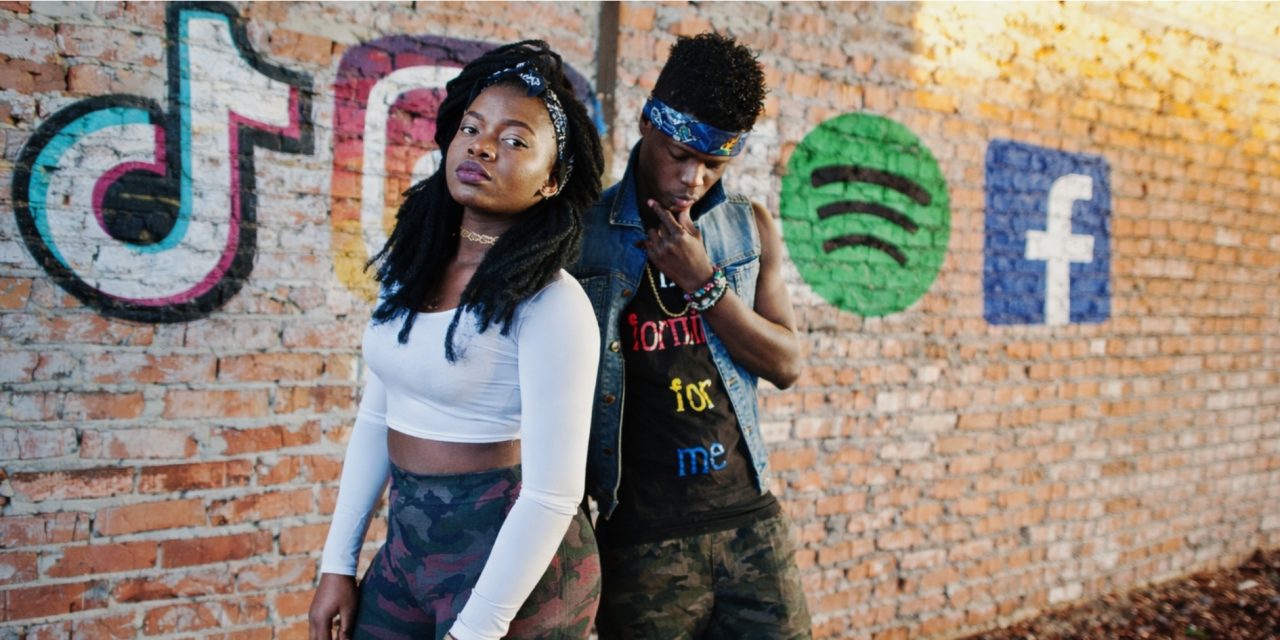
Platforms like Spotify and Apple Music have changed the rules completely. Artists no longer depend solely on traditional promotion—playlist placements alone can introduce a song to thousands, sometimes millions, of new listeners overnight. That kind of exposure accelerates growth in a way the genre has never seen before.
At the same time, short-form content is redefining engagement. TikTok, in particular, has become a powerful tool for discovery. A single creative clip—whether it’s a verse, a challenge, or a behind-the-scenes moment—can turn a relatively unknown track into a viral sound. For Christian Hip Hop artists, this creates a unique opportunity to communicate faith in ways that feel organic rather than forced.
Then there’s the sound itself.
Genre blending is pushing boundaries further than ever. Gospel rap is now comfortably intersecting with trap, R&B, and even pop influences, creating a hybrid sound that feels both familiar and fresh. This fusion doesn’t dilute the message—it expands its reach, allowing artists to connect with listeners who might not have explored the genre otherwise.
All of this points to one thing: Christian Hip Hop is becoming more accessible without losing its identity.
Growth Potential: Why the Genre Is Just Getting Started
The real driver behind the genre’s future is its audience.
Younger listeners are increasingly drawn to music that reflects both their cultural reality and their spiritual questions. Christian Hip Hop sits right at that intersection, offering storytelling that feels honest, relatable, and grounded in faith.
Artists who understand this are leaning into authenticity. Instead of overly polished personas, they’re sharing real journeys—struggles, growth, and belief in a way that builds trust with their audience. Social platforms like Instagram and TikTok allow them to show that process in real time. This helps to turn fans into a community rather than just listeners.
Collaboration is also playing a major role.
Working with artists across genres—or even within different spaces of Christian music—helps expand visibility and introduce new audiences to the sound. Groups like for King & Country have demonstrated how strategic storytelling and strong branding can significantly boost engagement and streaming performance.
But beyond numbers, the real opportunity lies in depth.
Artists who prioritize meaningful storytelling and interactive content are building loyal followings that go beyond trends. They’re not just chasing streams—they’re creating impact. And that’s what gives the genre staying power.
Conclusion
Christian Hip Hop is entering a phase where growth and identity are happening at the same time.
It’s expanding through technology, evolving through sound, and deepening through authenticity. The balance between cultural relevance and spiritual message is becoming its greatest strength, not its challenge.
And as more artists lean into that balance, the genre won’t just grow—it will influence how faith is expressed in music for years to come.
Be real—what actually pulls you in more: the message, the beat, or the vibe when it comes to Christian Hip Hop?
Drop your answer and let’s talk about it—and stay tapped into the culture with DLK Urban Gospel and Christian Hip Hop.