Gospel rap does more than sit in playlists or trend on timelines. It moves through neighborhoods, conversations, and real-life struggles with purpose. Where traditional outreach sometimes feels distant, gospel rap shows up speaking the language people already live in. It blends faith with lived experience, carrying messages of hope, accountability, and resilience into spaces that are often overlooked. There’s nothing flashy about that kind of influence, but it’s deeply effective—and hard to ignore once you notice it.
At its core, gospel rap connects belief with daily reality. It doesn’t separate spiritual conviction from social responsibility. Instead, it treats culture as a mission field, using rhythm and storytelling to engage communities in ways sermons alone often cannot.
Community Engagement Beyond the Music
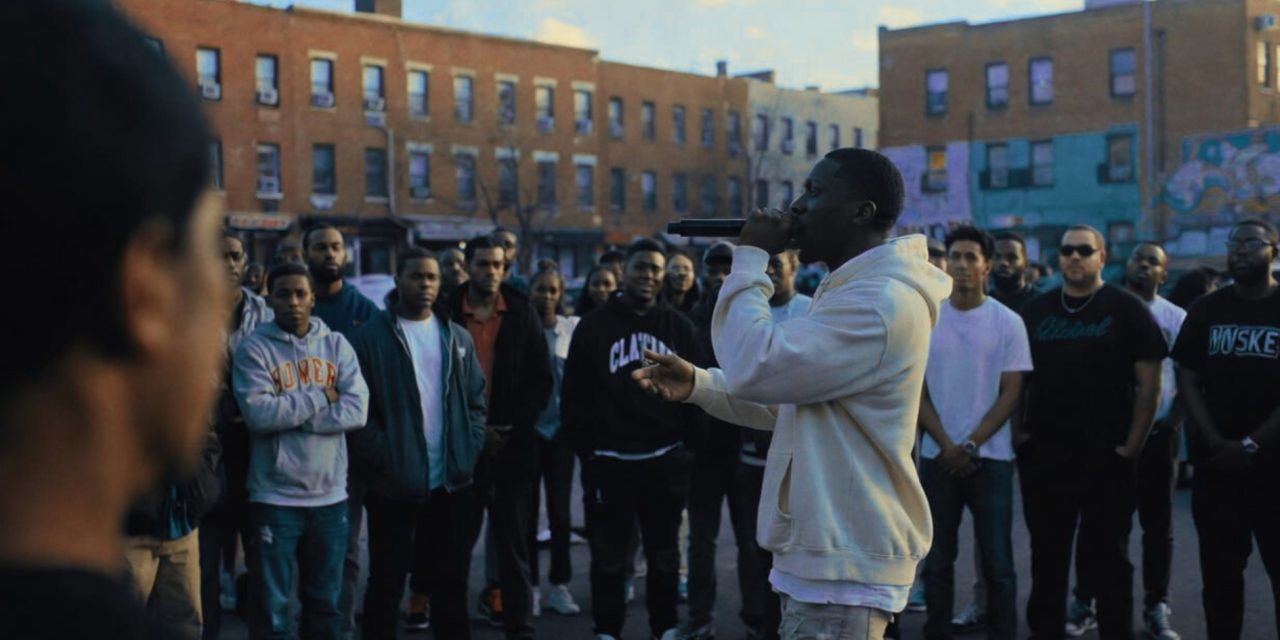
Gospel rap artists frequently extend their work beyond the stage, using music as an entry point for direct community involvement. Concerts, workshops, and outreach programs become spaces for unity, mentorship, and practical support. These efforts turn audiences into participants rather than passive listeners.
Lecrae offers a clear example through his community outreach initiatives, where free neighborhood events provide food, clothing, and mentorship in underserved areas. These gatherings are less about performance and more about presence. Similarly, Social Club Misfits regularly host workshops that teach young people music production skills while addressing personal growth and life direction. The focus isn’t just creativity, but confidence and self-worth.
Artists like Andy Mineo also use social media intentionally, hosting live Q&A sessions and sharing personal stories that resonate with fans navigating similar challenges. These moments strengthen trust and reinforce the idea that faith-driven artistry can be both relatable and accessible. Over time, these efforts leave cultural footprints that extend far beyond a single song or event.
Social Justice and Empowerment in the Lyrics
Social justice remains a central theme in gospel rap, with artists addressing inequality, racism, and poverty through thoughtful, faith-rooted storytelling. Rather than avoiding uncomfortable realities, the genre confronts them directly while pointing toward hope and responsibility.
Lecrae’s Church Clothes challenges surface-level faith and critiques social norms that disconnect belief from action. The project sparked conversations about authenticity, community accountability, and the church’s role in justice-oriented engagement. TobyMac’s I Just Need U approaches empowerment from a different angle, emphasizing reliance on community and faith during personal and collective hardship.
Beyond individual songs, broader initiatives such as the Gospel Music Association’s advocacy campaigns encourage artists to use their platforms intentionally. These efforts show how gospel rap functions as both commentary and catalyst—raising awareness while motivating tangible change. The result is music that uplifts without ignoring reality, offering listeners both encouragement and direction.
Conclusion
Gospel rap’s cultural impact lies in its ability to meet people where they are, then walk with them toward something better. Through community engagement and justice-centered messaging, the genre proves that faith-based music can be relevant, grounded, and socially responsive. Its influence doesn’t rely on spectacle or controversy, but on consistency, honesty, and service. That steady presence is what allows gospel rap to shape culture from the inside out.
How often do you see faith-driven music showing up where real-life struggles are happening? DLK Urban Gospel and Christian Hip-Hop continues to explore how gospel rap bridges belief, culture, and community impact in meaningful ways.