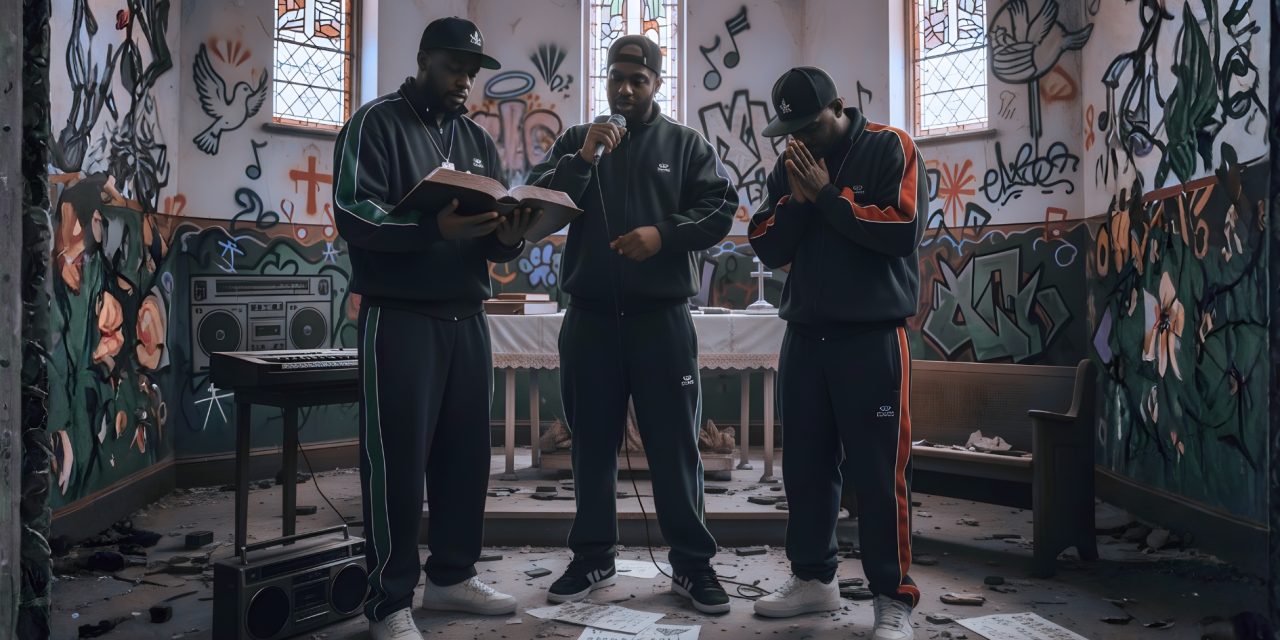
In the ’90s, hip-hop was all about dominance — gold chains, fast cars, and lyrical battles that could end friendships. Then, out of nowhere, came a group of rappers who swapped the spotlight for scripture and the flex for faith. They weren’t chasing fame; they were chasing purpose. Gospel rap was born not from rebellion but redemption — and it hit harder than anyone expected.
This wasn’t Sunday school music in sneakers. It was real, raw, and rhythmically blessed — merging the grit of the streets with the grace of the gospel. And while the mainstream world wasn’t always sure what to make of it, these artists built something bigger than beats: a movement of truth, rhythm, and soul.
Influential Figures: Faith with Flow and Fire
The Gospel Gangstaz and T-Bone were the heartbeat of 1990s gospel rap — bold, creative, and unafraid to mix testimony with tempo. The Gospel Gangstaz, through their breakout album “Workin’ for the Weekend,” took messages of faith and wrapped them in gritty realism. Their verses reflected the struggle and salvation of everyday life, turning pain into praise.
Meanwhile, T-Bone brought the charisma of a seasoned rapper and the conviction of a preacher. His song “The Holy Ghost” wasn’t just another track — it was a sermon on wax, proving that spirituality could have rhythm, rhyme, and street credibility. These artists didn’t just perform; they transformed. Their work inspired a new wave of believers who saw rap not as rebellion, but as revival.
Major Releases and the Cultural Ripple
When albums like “Heaven’s Mentality” dropped, it reshaped the soundscape of Christian hip-hop. These weren’t soft or sanitized records — they carried raw emotion, urban edge, and unshakable hope. Add to that “The Message” by Dynamic Twins, and suddenly, gospel rap had range — storytelling, rhythm, and conviction in equal measure.
These records opened doors for faith-driven artists to tackle real-world issues — from redemption and addiction to social justice — without losing musical excellence. Even before social media, their fanbases grew through word of mouth, youth ministries, and community shows. They didn’t just build playlists; they built purpose. Today’s Christian hip-hop owes much of its lyrical courage and sound experimentation to those early 1990s trailblazers.
Conclusion
The gospel rap revolution of the 1990s didn’t just remix hip-hop — it redefined what the genre could stand for. These pioneers reminded the world that music could be both spiritual and streetwise, that bars could carry blessings, and that faith could flow as hard as any beat. What began as a whisper of belief became a full-bodied anthem of purpose — still echoing today wherever art meets conviction.
Can music still move both heart and heaven? Discover how modern artists continue the legacy of these ’90s pioneers at DLK Urban Gospel and Christian Hip-Hop, where rhythm meets redemption every single day.


