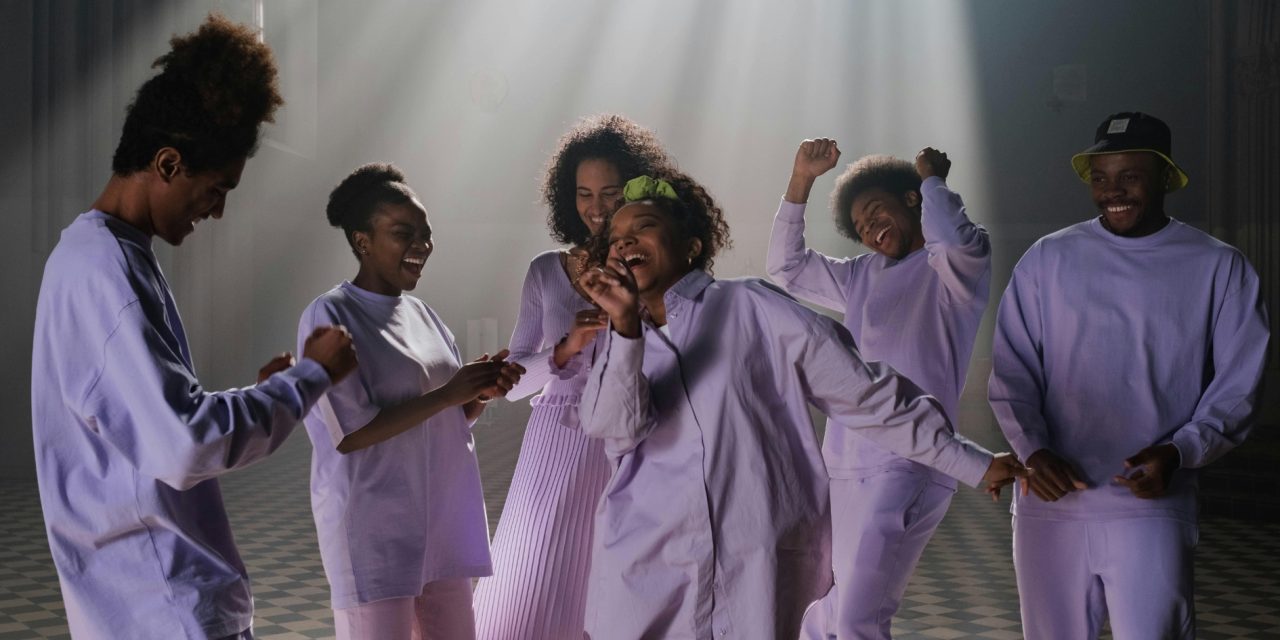
Some songs make you lift your hands; others make you lift your feet. Modern gospel hooks somehow do both, turning praise into a full-body workout and transforming dancefloors into joyful mini-revivals. This trend isn’t random—it’s the result of decades of musical evolution, intentional songwriting, and a generation that sees rhythm as a form of worship.
Today’s gospel hooks borrow the power of repetition, the thrill of syncopation, and the warmth of communal energy to create feel-good moments that move crowds. Let’s break down how gospel made its way from pew to party, why dance-centric hooks resonate so strongly, and how the culture around them keeps expanding.
The Evolution of Gospel Music and Dance Culture
Gospel’s dance-ready sound didn’t appear overnight. It grew from deep roots—spirituals, call-and-response patterns, and communal worship traditions that were always rhythmic at heart. When Mahalia Jackson brought gospel into mainstream spaces during the 1930s, she planted seeds for the genre’s global reach. The 1970s amplified the shift, blending traditional gospel with pop and rock to create contemporary gospel’s more energetic edge.
Fast-forward to today, and artists like Kirk Franklin, Tye Tribbett, and Kierra Sheard prove that gospel can hit just as hard as anything on a Friday-night playlist. Producers use modern tools, dance-inspired drum patterns, and bright melodic hooks that stick instantly.
As a result, gospel tracks now cross into fitness classes, DJ sets, youth events, and social media challenges. What began as expressive worship now fuels dance-forward moments that feel both joyful and culturally relevant, all while staying rooted in the genre’s spiritual essence.
Redefining the Modern ‘Dancefloor’ in Gospel Culture
Today’s dancefloor isn’t limited to clubs—it’s any space where people move together in celebration. Gospel-driven gatherings illustrate this perfectly, blending high-energy music with community connection. Worship nights, youth rallies, and Christian festivals have embraced these sonic shifts, creating immersive experiences that encourage movement as an expression of faith.
Events like Passion Conferences bring thousands together, pairing uplifting messages with bold, rhythmic performances. Festivals such as SoulFest and Creation offer diverse lineups where gospel artists deliver sets that feel part concert, part worship session, part dance party.
Social media also redefines the dancefloor, with TikTok and Instagram challenges giving gospel hooks new life beyond traditional settings. These spaces prove that rhythm, worship, and joy can merge effortlessly, creating modern dancefloors built on unity, faith, and pure energy.
Conclusion
Gospel hooks built for the dancefloor reflect more than clever melodies—they represent a cultural shift toward expressive, movement-driven worship. The evolution of gospel music, paired with vibrant festival culture and the rise of social platforms, has created a sound that encourages people to celebrate both spiritually and physically.
Whether you’re swaying in a sanctuary or dancing at a late-night youth event, these hooks remind us that joy can be deeply meaningful and wildly fun at the same time. Gospel isn’t just heard anymore; it’s felt, moved to, and lived out loud.
Which gospel-inspired dancefloor moment has moved you the most lately? At DLK Urban Gospel and Christian Hip Hop, we explore the beats, artists, and cultural shifts shaping this joyful movement!


