Ever notice how one gospel hook can turn a quiet room into a full-blown praise moment without warning? One second people are nodding politely, the next they’re singing like the rent depends on it. That’s not accidental — it’s design, instinct, and experience working together.
Understanding why certain gospel hooks resonate helps worship leaders, artists, and musicians create moments that connect emotionally, musically, and communally. These aren’t just catchy phrases. They’re sonic invitations that pull listeners in, hold them there, and often send them home humming long after the final chord.
What Makes a Gospel Hook Truly Resonate
When gospel hooks work, they do so on multiple levels at once. The most effective examples balance musical simplicity with emotional weight, making them easy to follow but hard to forget.
Take “Never Would Have Made It” by Marvin Sapp. The hook is built on a melody that feels instantly familiar, even on first listen. It’s repetitive without being dull, allowing congregants to join in quickly without hesitation. That accessibility matters in worship settings where participation, not performance, is the goal.
Lyrically, strong gospel hooks often center on shared experiences of perseverance, faith, and gratitude. They don’t over-explain. Instead, they state something honest and let the listener fill in the rest. Pair that with a delivery that carries conviction rather than perfection, and the result feels personal, even in a crowded room.
Kirk Franklin’s catalog offers another masterclass. His hooks often merge traditional gospel phrasing with modern rhythmic choices, creating moments that feel rooted yet current. The music moves forward, but the message stays anchored, which is why his songs cross generational and stylistic lines so effortlessly.
When the Hook Hits the Dancefloor
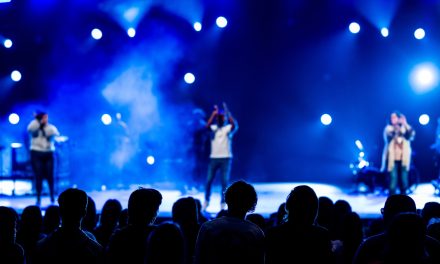
Gospel hooks take on new life in live and social settings, especially when movement enters the picture. Dancefloors, praise breaks, and worship nights amplify repetition, turning hooks into shared physical experiences rather than just musical ones.
Research from the University of Southern California found that songs built around repetitive, uplifting choruses increased audience participation by roughly 30% in live environments. That repetition gives people permission to relax into the moment. They don’t have to “learn” the song, they simply join it.
Songs like “Oh Happy Day” thrive in these spaces because the hook doesn’t demand complexity. It invites collective response. Call-and-response phrasing, familiar progressions, and steady tempo shifts make the music feel communal rather than performative.
Event organizers often note that pre-event engagement matters too. Gauging song preferences through social media helps shape playlists that reflect the audience’s emotional language, not just musical taste. When people recognize themselves in the hook, participation becomes natural, not forced.
Wrap Up
Resonant gospel hooks do more than fill a moment. They build memory, identity, and continuity within worship communities. When people associate a hook with a breakthrough, a testimony, or a shared celebration, the song becomes part of their spiritual vocabulary.
For artists and worship leaders, studying these patterns isn’t about copying formulas. It’s about understanding why simplicity, sincerity, and repetition still work, especially in spaces where music serves connection before creativity.
Ever catch yourself mid-week singing a gospel hook like you’re still in Sunday service? DLK Urban Gospel and Christian Hip Hop keeps unpacking why those moments stick longer than the song itself!