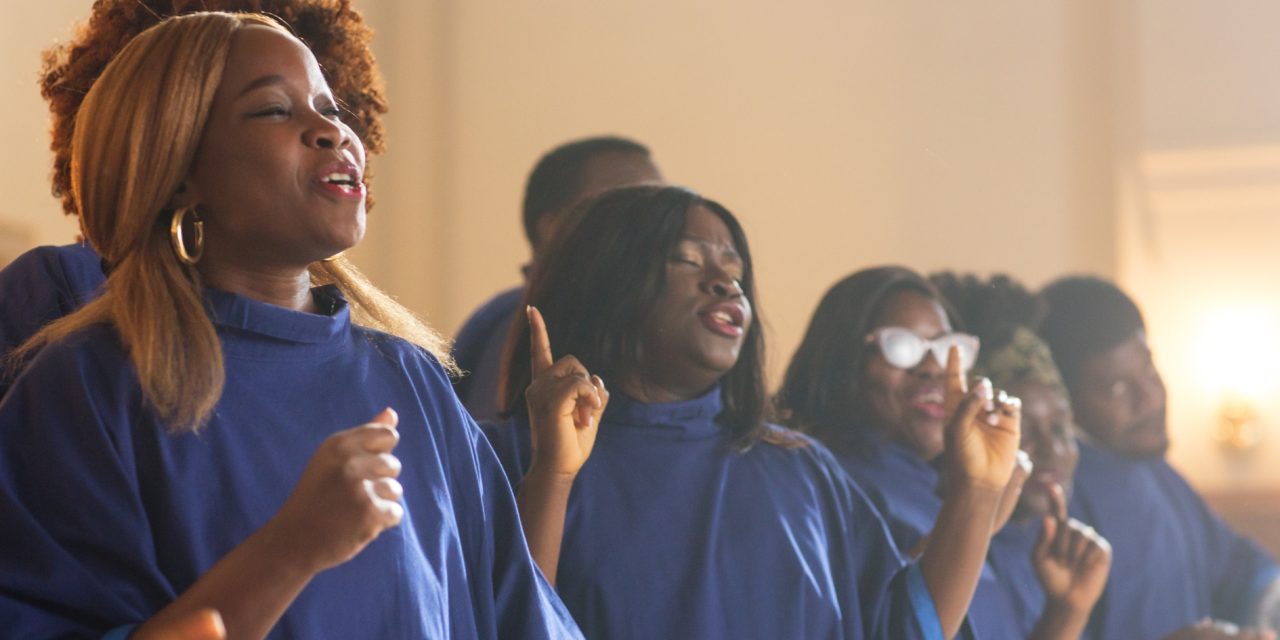
Urban Gospel didn’t survive decades of cultural shifts by accident. It survived because it carried something heavier than trends: testimony. Long before hashtags, streams, or viral worship clips, the genre functioned as a lifeline, translating faith into language that made sense during real-life pressure. It wasn’t polished for comfort; it was built for endurance.
What makes Urban Gospel remarkable isn’t just how it adapts, but how it remembers. Each generation adds new sounds, platforms, and voices, yet the core message refuses to retire. Hope is still the headline. Resilience is still the rhythm. And somehow, despite changing times, the music continues to meet people exactly where they are; often before they even realize they need it. That kind of consistency isn’t nostalgia; it’s legacy doing its job.
Hope as a Living Message
At its core, Urban Gospel thrives on lived experience. The lyrics don’t float above reality; they sit right in it. Stories of doubt, perseverance, loss, and restoration form the backbone of the music, allowing listeners to see themselves reflected honestly rather than idealized. This authenticity is why the genre continues to resonate across generations. It doesn’t pretend the storm isn’t real, it just insists the storm isn’t final.
Artists like Kirk Franklin and Tasha Cobbs understand this balance deeply. Their music carries joy without denial and faith without escapism. That emotional honesty is what turns songs into anchors during uncertain seasons.
Community Beyond the Music
Urban Gospel’s legacy doesn’t stop at the tracklist. Social media, livestreamed worship sessions, and digital ministry platforms have expanded the genre’s reach far beyond traditional spaces. These tools aren’t used for visibility alone. They’re used for connection. Encouragement posts, prayer moments, collaborative worship events, and open conversations have transformed listeners into participants.
This evolution has allowed Urban Gospel to function as both soundtrack and support system. Whether online or in person, the genre continues to build unity across age, background, and geography—proof that its message adapts without losing its soul.
Conclusion
As Urban Gospel moves forward, its power lies in continuity rather than reinvention. The sound may shift, and the platforms may change, but the heart remains intact. By grounding faith in real experience and community, Urban Gospel ensures that hope is not just remembered—but actively renewed. Its legacy isn’t something to preserve behind glass; it’s something meant to be carried, shared, and lived out.
How does a genre rooted in faith continue to speak strength into uncertain times without losing its authenticity? Stay connected to the voices, stories, and evolution of Urban Gospel on DLK Urban Gospel and Christian Hip Hop, where faith, culture, and resilience move together.